How can a pilgrim find his way when the signs that should guide him disappear? The Betilo heritage association has denounced the deterioration of the Vía Augusta of the Camino de Santiago as it passes through El Puerto de Santa María. The claim, collected this Sunday, November 15 by Diario de Cádiz, focuses on the indications installed in 2014 and the need to recover their function.
The problem affects a town located between Puerto Real and Jerez de la Frontera, on the Jacobean route that connects Cádiz with Seville. From there, those who wish to continue towards Compostela can connect with the Vía de la Plata.
The complaint does not refer to the closure of the route. Betilo demands an intervention on specific elements of the urban route that, according to his photographic documentation, have been damaged or have disappeared.
A signage that was born from the work of associations
The recovery of this itinerary began to take shape in 2008, at the initiative of the Association of Friends of the Camino de Santiago. In 2014, the installation of ceramic plaques and other elements intended to identify the passage of pilgrims through El Puerto was completed.
The action required municipal collaboration and authorization from property owners and the Bishopric to place the indications on certain buildings. Twelve years later, the heritage entity considers it necessary to review the result of that effort.
In his report, signed by Manolo Morillo, Betilo documents problems in the area around the Guadalete walkway, the Ribera del Río and several streets in the historic center. It also includes the status of the indications for Hospitalito and Cielo Street.
From Cádiz to Seville, a door to the Camino de Santiago
The Jacobean Via Augusta takes advantage of part of the historic corridor of the old Roman road. Its current layout does not fully reproduce the old road: urban transformations and modern infrastructure have forced the route to be adapted.
The Spanish Federation of Associations of Friends of the Camino de Santiago includes an itinerary of about 182 kilometers between Cádiz and Seville. The Association of Friends of the Camino de Santiago in Cádiz offers detailed information on the ten sections, including the 11.8 kilometers from Puerto Real to El Puerto and the 14.7 kilometers that separate this town from Jerez.
For those who begin their pilgrimage from the south of the peninsula, these paths constitute an alternative to the best-known starting points. They also allow you to discover towns that do not usually appear in the most widespread images of the French Way.
Recovering signs also means recovering heritage
Betilo proposes to inventory the indications, repair the damaged ones and improve the information available on the itinerary. The entity also proposes using digital tools and linking the tour with cultural and educational activities.
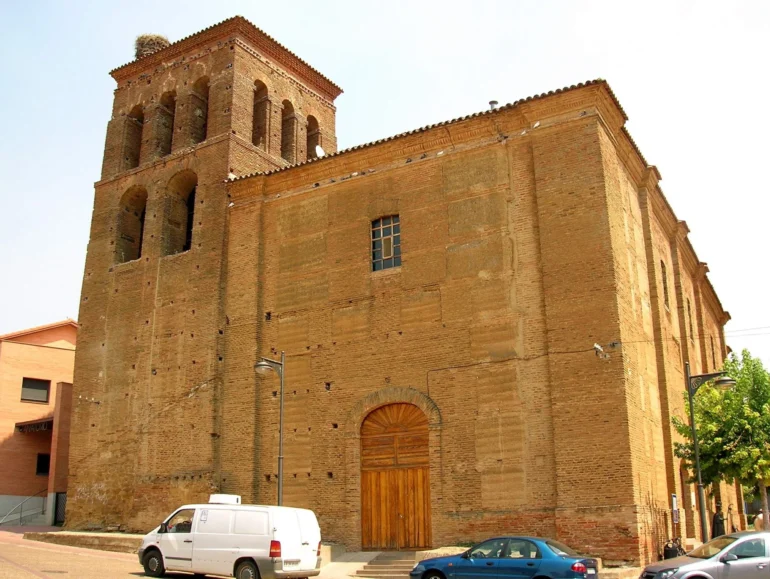
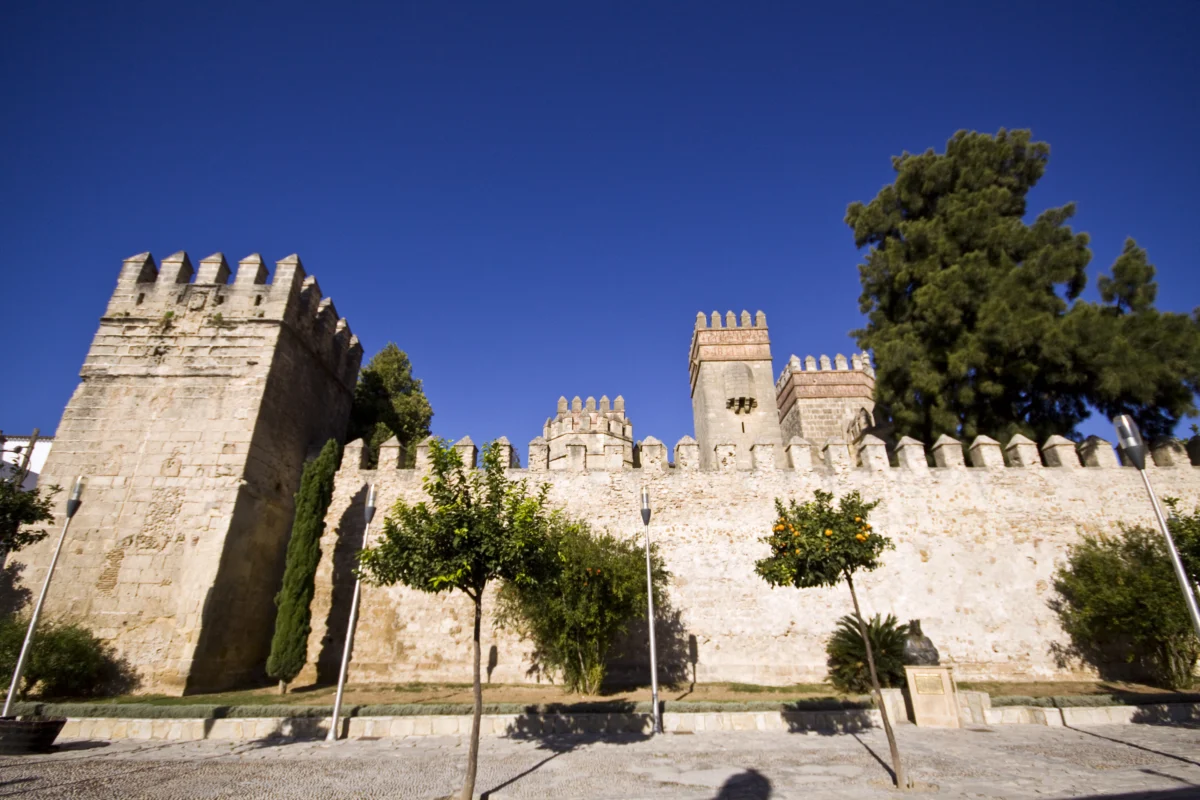
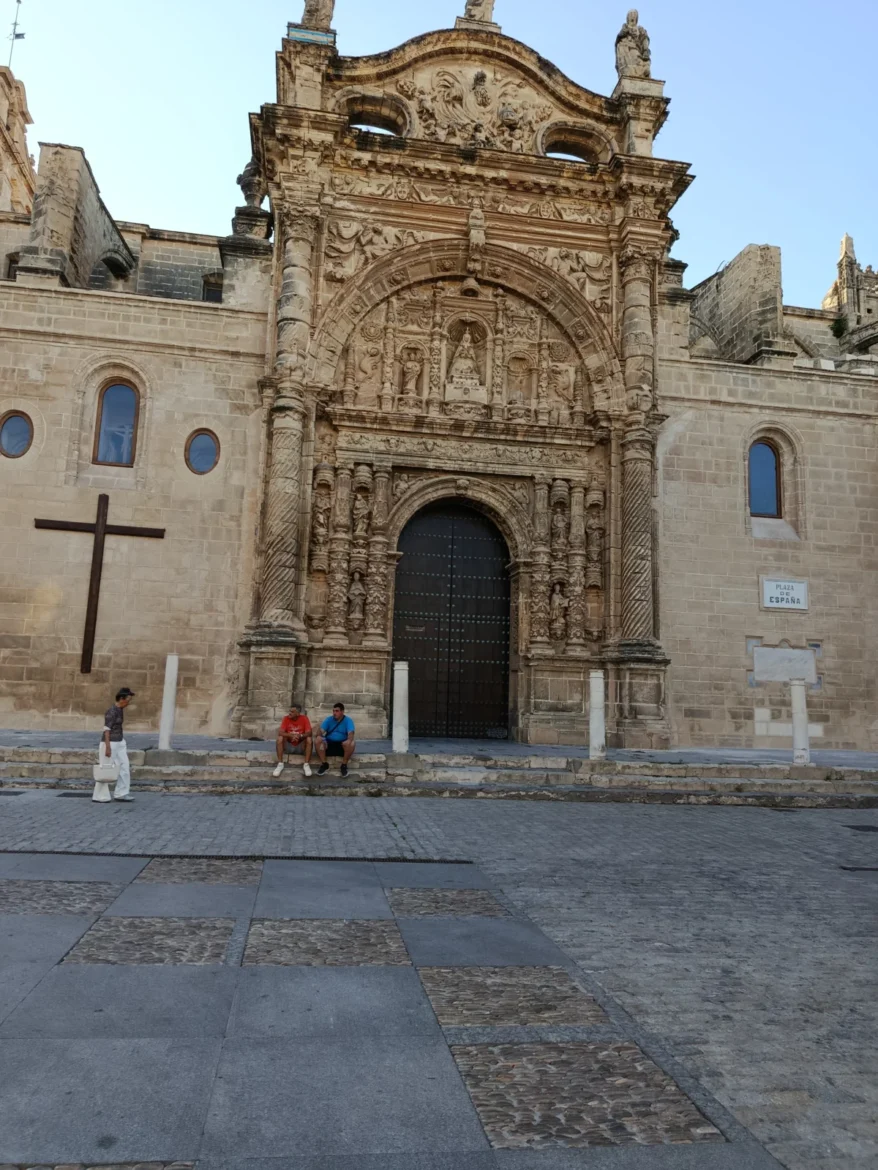
A plaque on a façade can fulfill two functions: guide those who arrive with a backpack and remind the neighbor that their street belongs to a network of long-distance paths. In El Puerto, the castle of San Marcos and the priory church are examples of the heritage that visitors can discover during their stay.
Concern about signs is not exclusive to this city. In June RTV reported Damage to the Via Augusta in Utrera, another municipality on the same itinerary. Both cases remind us that conservation needs continuity and coordination between localities.
What the pilgrim should know
Whoever plans to travel this section can consult the guide of the Cadiz association, which offers descriptions and navigation files for the different days. Downloading the route before leaving and comparing it with local information is especially useful when directions are missing.
When faced with a doubtful crossing, it is advisable to stop and check the map before continuing, without improvising shortcuts through roads or private properties. He Jacobean Council It also provides information on signage and safety.
At the moment, the sources consulted do not provide a municipal repair schedule. RTV will continue to monitor the actions that may be announced.
The challenge for El Puerto is for its Camino to become recognizable again for those who walk it and for those who live next to it.
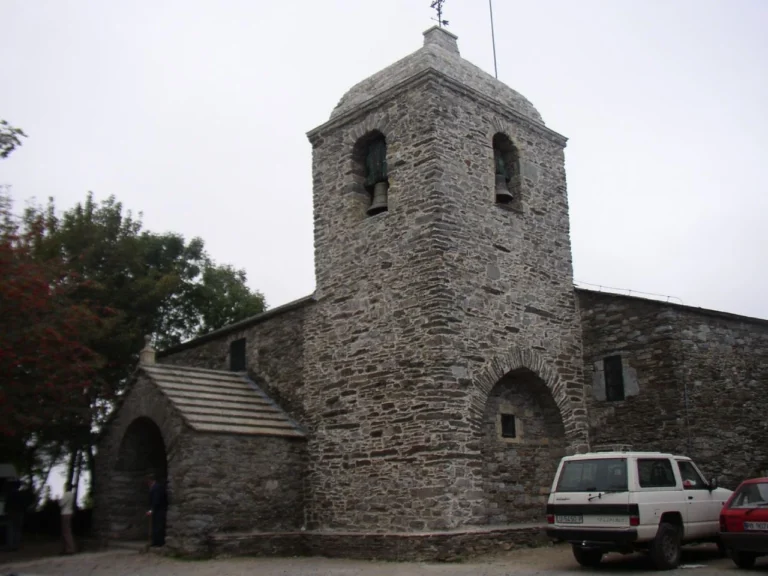
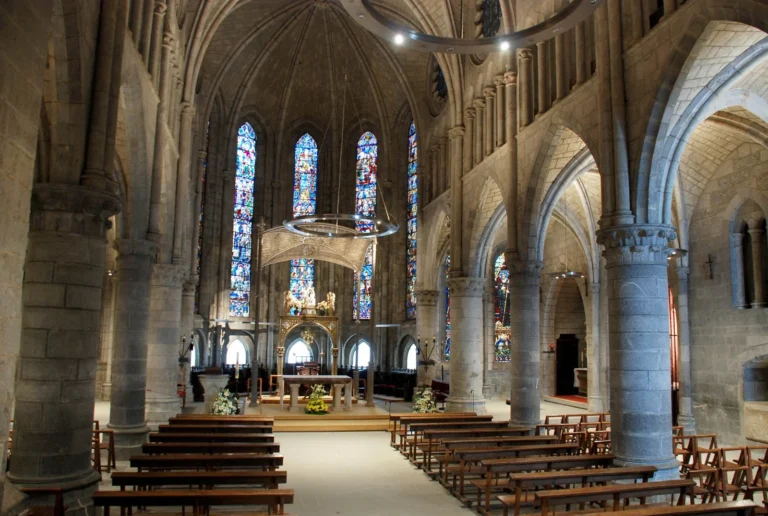
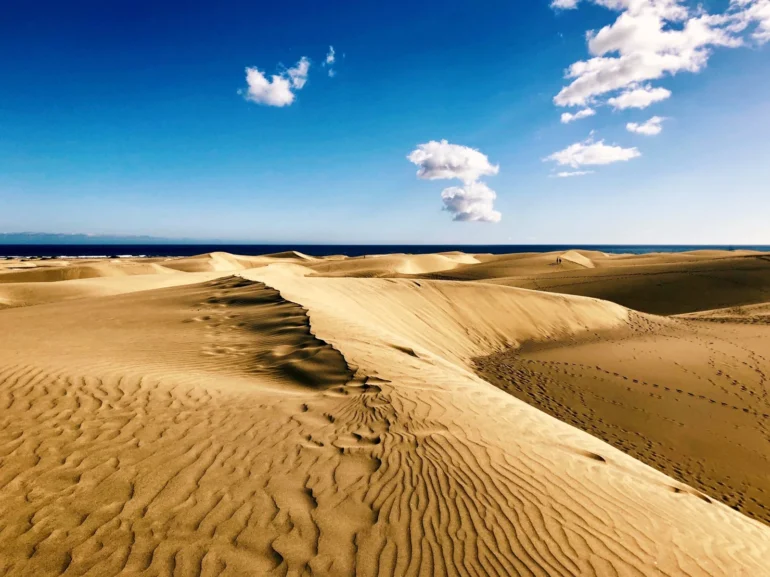
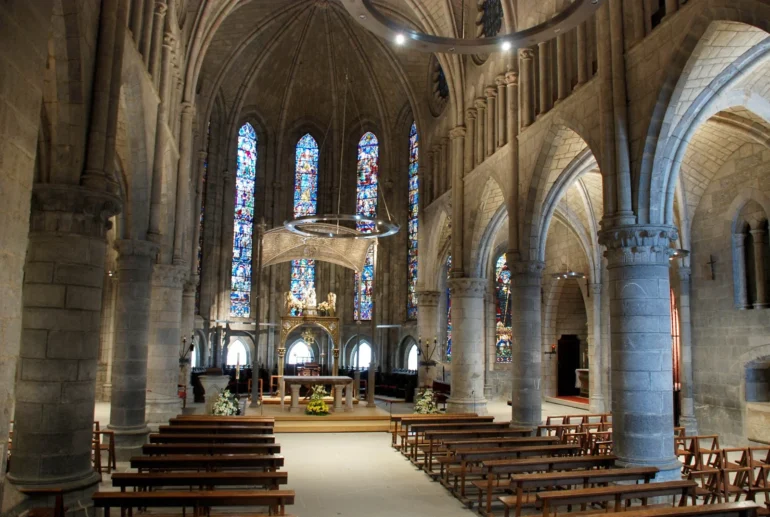
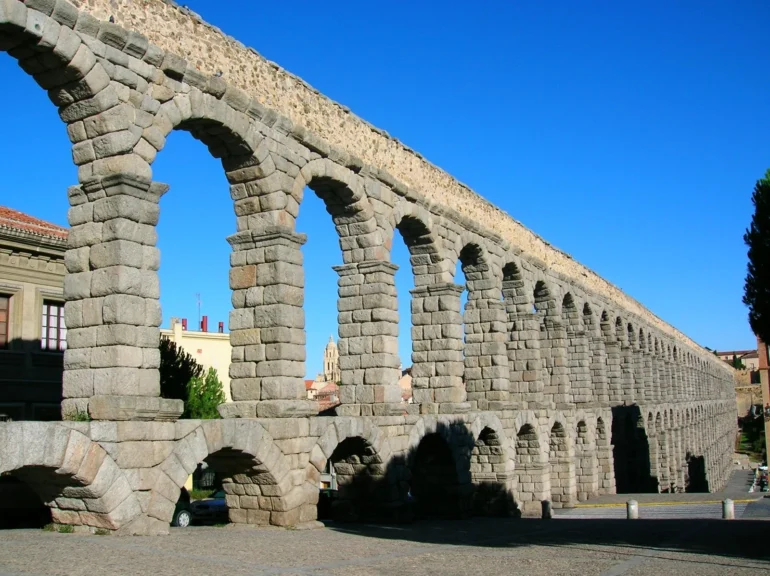
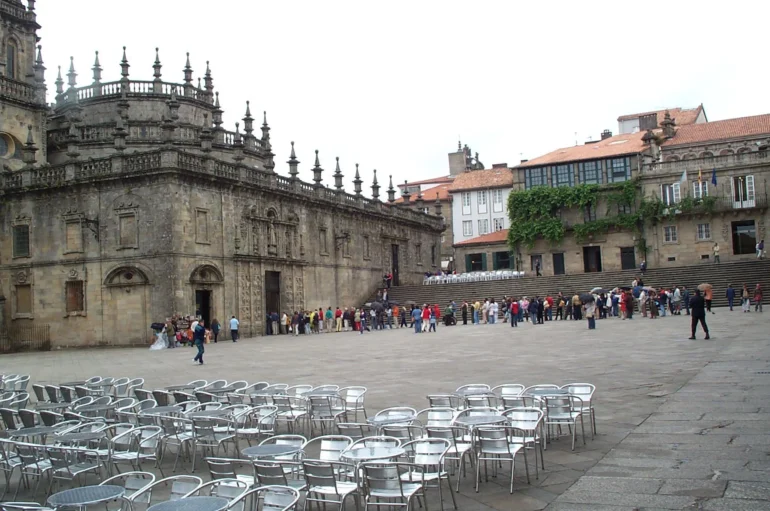
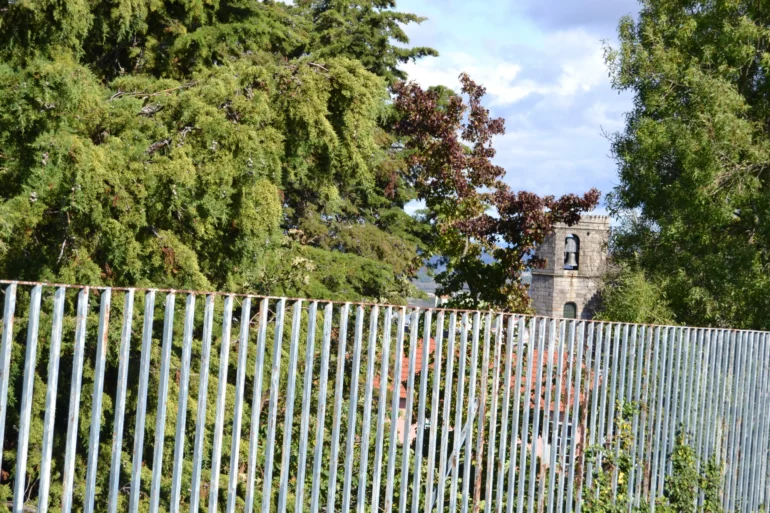
Featured image: San Marcos castle, archive photo by Pepe Gadeiras · CC BY-SA 4.0 · Wikimedia Commons. Resized photographs; They do not show the reported damages.
Sources: Betyl; Diario de Cádiz, November 15; Spanish Federation of Associations of Friends of the Camino.
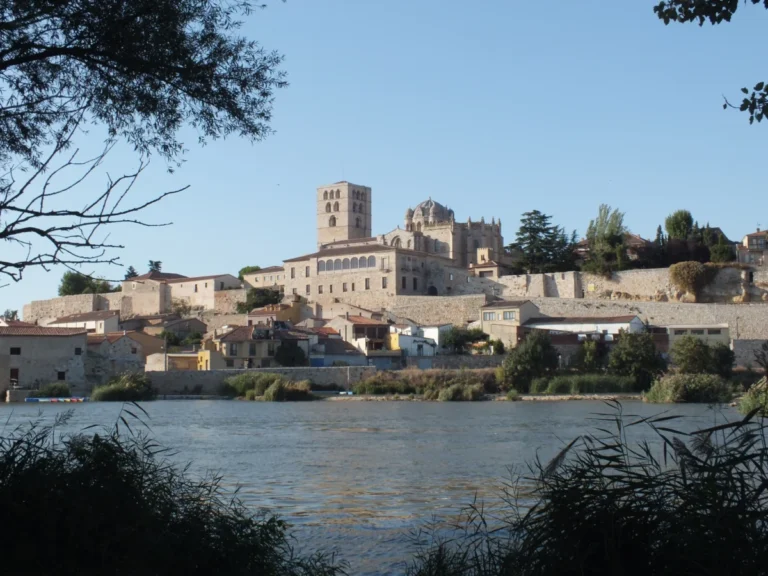
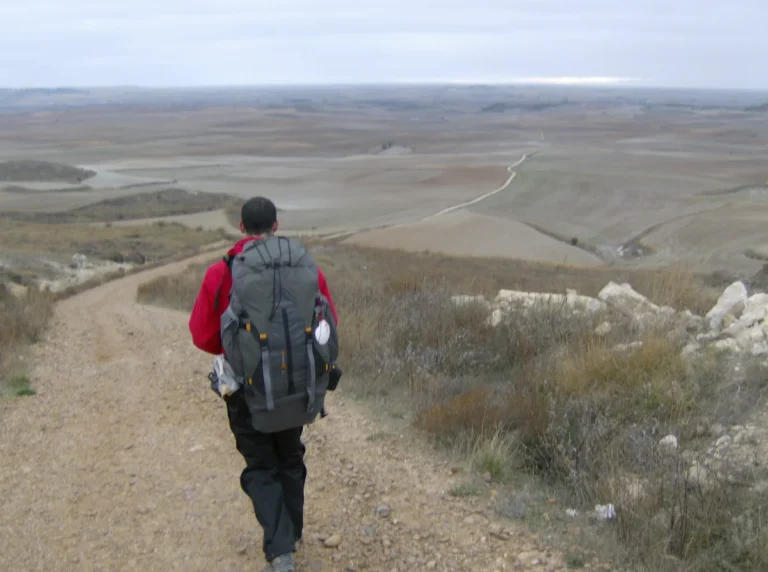
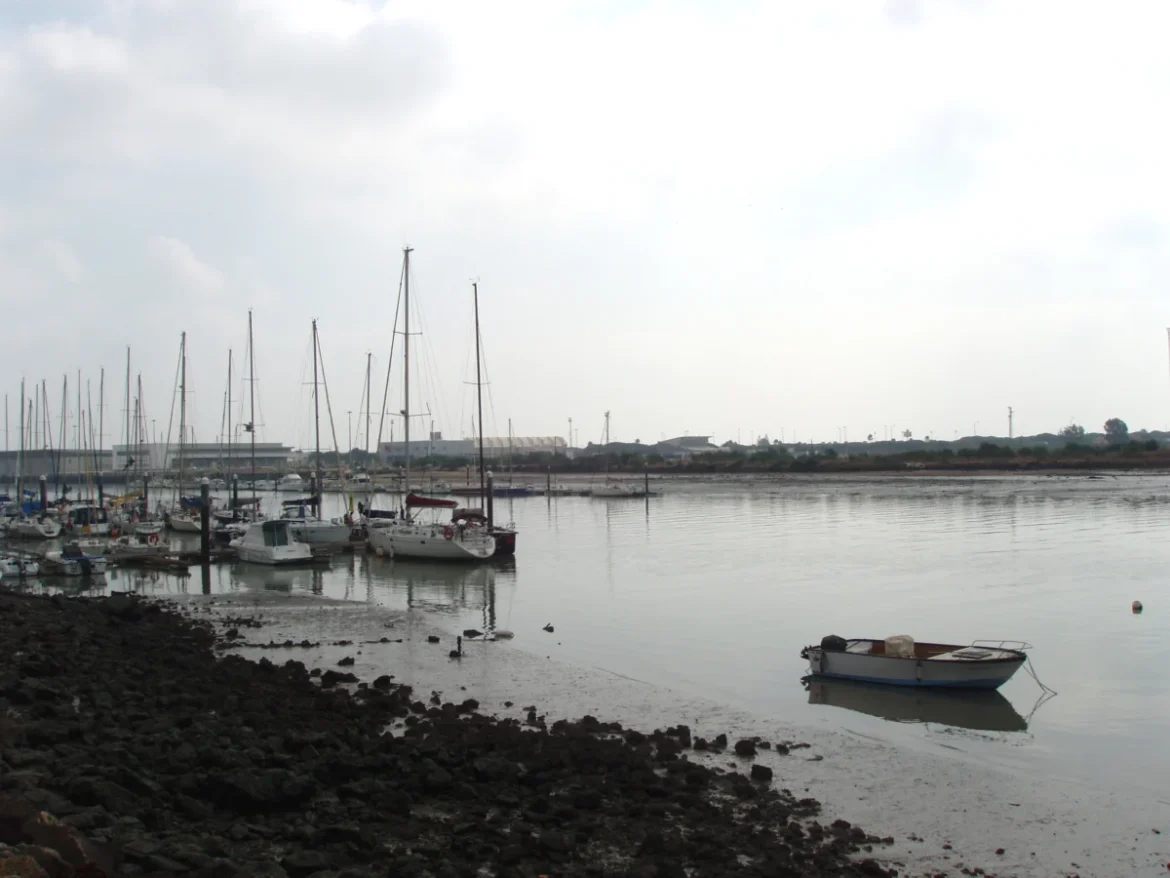
Images: Photo: Emilio J. Rodríguez Posada · CC BY-SA 2.5 ES · Wikimedia Commons | Photo: PCendrer · CC BY-SA 4.0 · Wikimedia Commons.