



More and more pilgrims choose to travel the Jacobean routes, many of them alone
The profile of the 21st century pilgrim continues to evolve and, for the first time in a consolidated way, the Women have become the majority on the Camino de Santiago. A reality that reflects not only the unstoppable growth of the Jacobean phenomenon, but also the change in the way of understanding the pilgrimage.
According to data released by the Government of Spain, women already represent more than 53% of the people who complete the Camino de Santiago, surpassing men in a trend that continues to increase year after year. More than 230.000 pilgrims They traveled the different Jacobean routes in the last year analyzed.
This change represents a historical milestone in a tradition that for centuries was dominated mainly by men. Today, the Camino has become a space where thousands of women of all ages find a place for personal growth, reflection, adventure and improvement.
Pilgrims who seek much more than just getting to Santiago
The motivations are diverse. Some women undertake the pilgrimage for spiritual or religious reasons; Others do it seeking to disconnect from routine, celebrate a new life stage or face moments of change.
More and more people decide to do the Camino solo, attracted by the feeling of freedom, the security that the route offers and the possibility of connecting with themselves.
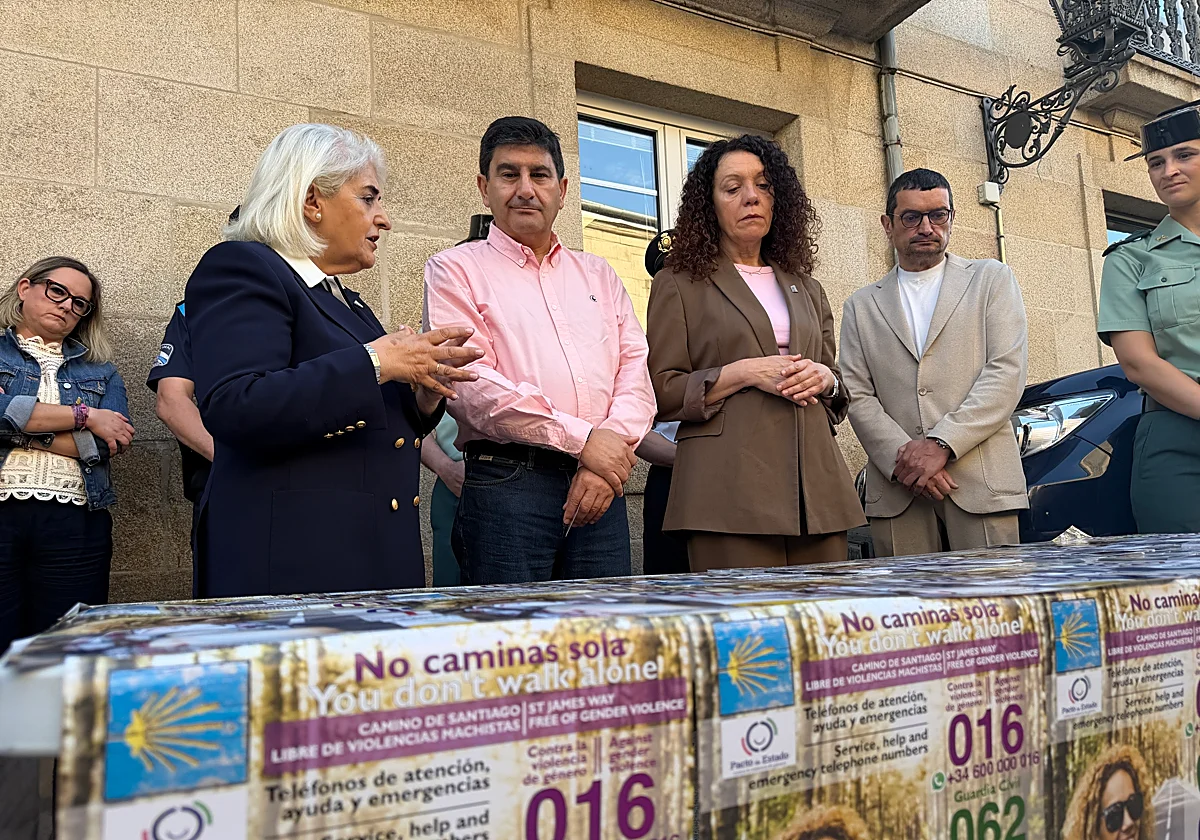
This increase in pilgrims has led the Government to reinforce specific campaigns such as #Don'tWalkAlone, aimed at offering information, resources and support to women who walk the Camino. The initiative makes information points available to pilgrims in shelters, pharmacies, health centers, tourist offices and security force offices.
In addition, the use of tools such as the application is recommended AlertCops, which allows you to share your location and quickly contact emergency services if necessary.
A tradition with a woman's name
Although it may seem like a recent reality, the female presence on the Camino has very deep roots.
Since the Middle Ages there have been testimonies of women who undertook the pilgrimage to Compostela, many of them challenging the social norms of their time. Queens, nobles, nuns and anonymous pilgrims contributed to the development of the Jacobean routes by creating hospitals, churches and places of hospitality.
However, it is in recent decades that female prominence has reached an unprecedented dimension.
Today it is common to find groups of friends, mothers and daughters, women traveling alone or pilgrims from different corners of the world sharing experiences in the hostels and pilgrim trails.
An increasingly diverse path
The increase in female pilgrims also reflects the transformation of the Camino de Santiago itself.
It is no longer solely a religious experience. It has become a proposal that combines active tourism, emotional well-being, personal growth, cultural heritage and contact with nature.
Routes like the French Way, he Portuguese Way, he North Road or the Primitive Path Each year they welcome thousands of women who find in the pilgrimage an opportunity to stop, listen to their own needs and regain balance.
Many of them claim that the Camino has helped them gain confidence, face duels, make important decisions or simply prove to themselves that they were capable of going further than they imagined.
The future of the Camino is also written in feminine
Far from being a one-time trend, everything indicates that the female presence will continue to grow in the coming years.
The rise of experiential tourism, the interest in transformative trips and the image of the Camino as a welcoming and safe environment are encouraging more and more women to live this experience.
The yellow arrows continue to mark the direction towards Santiago de Compostela, but today there are thousands of women who demonstrate that the true destiny is in everything that is discovered during the journey.
Because if something is clear, it is that The Camino de Santiago is now also written in feminine.

















