



A historical symbol of the Camino de Santiago reopens its doors, returning the spirit of medieval welcome to pilgrims
Six centuries after having closed its doors, the Melide Pilgrims Hospital it once again fulfills the function for which it was created: welcome and care for walkers on the Camino de Santiago. A gesture loaded with symbolism that directly connects the present with the deepest essence of the pilgrimage, the one in which hospitality and solidarity were as important as arriving at Compostela.
Located in Melide, key point of French Way, this historic building was for centuries a fundamental refuge for exhausted, sick or destitute pilgrims. Its reopening involves not only the recovery of a heritage property, but also the reactivation of a way of understanding the Camino that seemed forgotten.
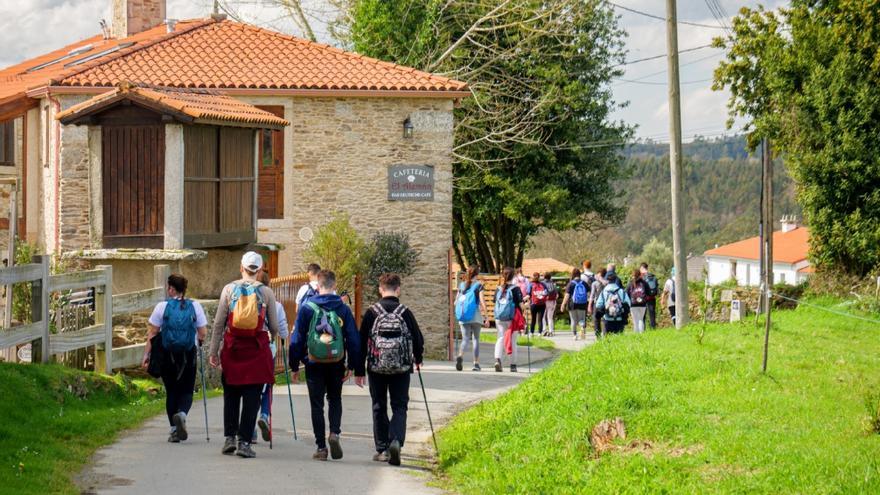
A direct trip to the Jacobean Middle Ages
The Melide pilgrim hospital was born in the Middle Ages, when the Camino de Santiago was a vital artery of Europe. There, rest, basic care and food were offered to those who arrived after long days of marching. As time passed, the building lost its original function and was relegated to historical silence.
Now, after a process of recovery and enhancement, the space once again pulses with pilgrim life. It is not just about opening a building, but about rescue an ancient tradition: that of caring for the walker, without distinction of origin, language or beliefs.
Melide, crossroads and stories
Melide occupies a privileged place on the Camino, as a meeting point for routes and a meeting point for pilgrims from all over the world. The reopening of the hospital reinforces this historical and cultural role, turning the town into a benchmark of Jacobean hospitality.
This space will also allow the history of the Camino and the hospital itself to be disseminated, bringing pilgrims and visitors closer to an essential part of the medieval legacy that shaped the Santiago route.
Much more than a restored building
The return to life of the Melide pilgrim hospital is a powerful reminder: the Camino de Santiago is not just walking, but care and be cared for. In a time marked by haste and overcrowding, recovering these symbols gives the Camino its human dimension.
Because some places are not opened only with keys, but with memory. And in Melide, six centuries later, the Camino feels like home again.

















