



The debate that many think... but few say out loud
He Camino de Santiago It is more fashionable than ever. Record number of pilgrims, full routes, full hostels... and a feeling that is increasingly heard among those who have been walking for years:
👉 “this is not what it was.”
And be careful, because the first symptoms always begin to be noticed at the same moment: Easter week. That's when the Camino changes pace. More people, more reservations, more movement… and also more debate.
The real pilgrim (or so they say)
The “lifelong” pilgrim is clear about it. Backpack on the shoulder, blisters on the feet and long stages. sleep in hostels on the Camino de Santiago, sharing a table with strangers and getting up before the sun rises.
He is not looking for luxury. He is not looking for comfort. Look for something deeper:
- disconnect
- overcome
- meet
For many, that is the true Way.
The tourist on the Camino (and here comes the controversy)
Then there is the other profile. The one that is seen more and more, especially after Easter:
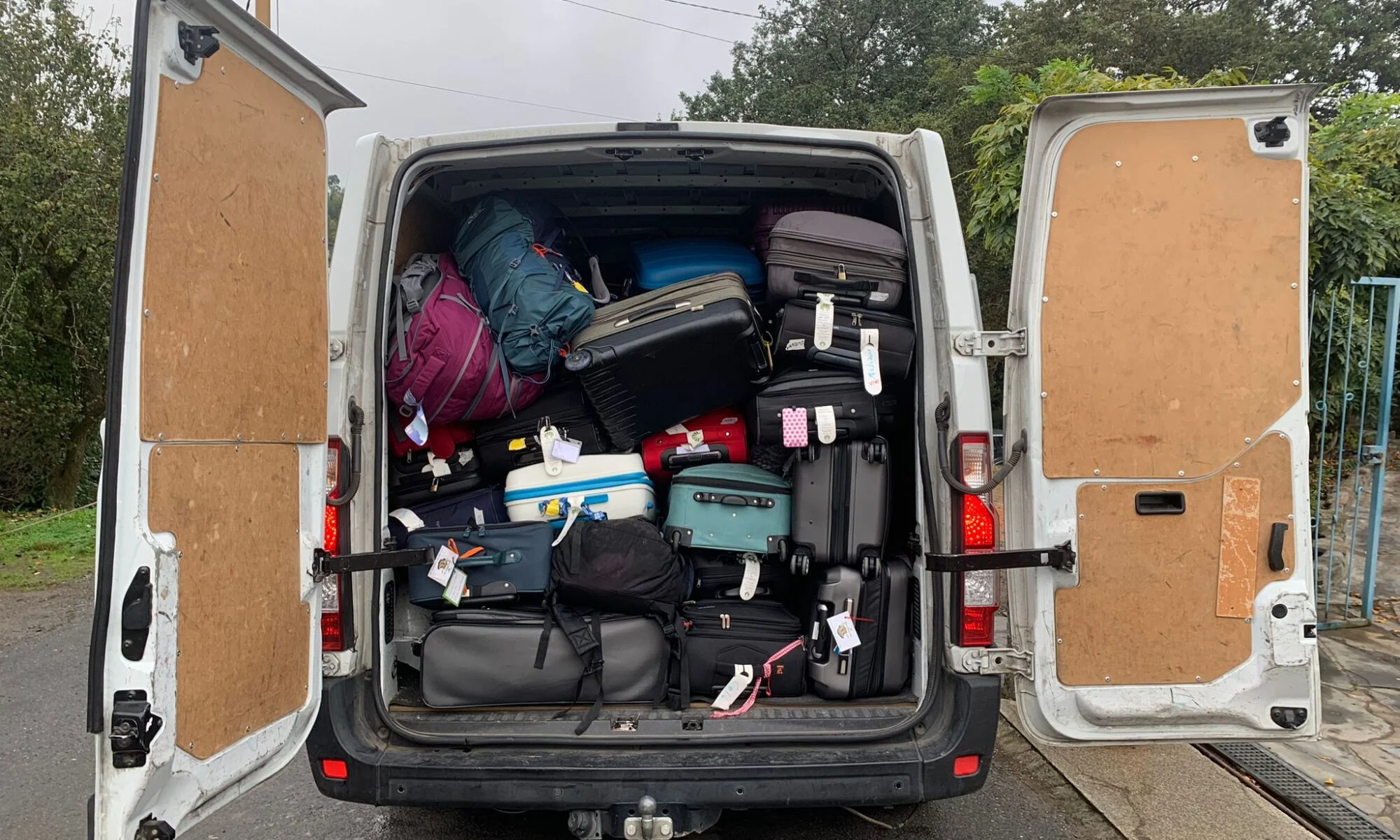
- carried backpack
- hotel with breakfast included
- short stages
- photos for networks… and taxi if it rains
And this is where the clash begins.
There are those who say it bluntly:
👉 “that is not doing the Camino”
But the reality is different: there are more and more ways to live it.
Easter week: the turning point
For many veteran pilgrims, the Camino has two faces: before and after Holy Week.
Until then, he remains calmer, more authentic. But when that period arrives:
- reserves increase
- the shelters are full
- more organized groups appear
- tourism increases on the Camino de Santiago
It's like the official start of the high season.

A Camino full… but with what?
The problem is not just the number of people, but how the experience changes.
It is increasingly common to see:
- overcrowded shelters
- crowded routes
- less silence
- more tourist atmosphere
And that makes many wonder if the Camino is losing its original essence.
The other side: tourism keeps the Camino alive
But here comes the part that many do not want to recognize.
Without this growth in tourism:
- many towns would disappear
- many businesses would close
- the Camino would lose services
The rise of tourism in Galicia, he hiking and the experiential trips has turned the Camino into a brutal economic engine.
And that is also part of your current reality.
So… who is right?
The answer is simple... and complicated at the same time:
👉 everyone is partly right
The pilgrim wants authenticity
The tourist seeks comfort
El Camino… tries to survive between both
The truth that no one wants to admit
The Camino has changed. And it will continue to change.
But perhaps the key is not in how others do it...
but in how you decide to live it.
Because in the end, between backpacks, hotels, blisters or taxis... they all end up crossing at the same point.
And they all say the same thing:
Good Way.

















