



Physical Preparation for the Camino de Santiago: The Basis of your Pilgrimage
Physical preparation is, without a doubt, one of the fundamental pillars to fully enjoy the Camino de Santiago and avoid setbacks. It doesn't matter what route you choose or the time of year; A well-conditioned body will allow you to face each stage with confidence, reduce the risk of injury and focus on the experience, not the pain.
Many people underestimate the effort it takes to hike day after day with a backpack, but with a simple, consistent plan, you can prepare your body for the challenge.
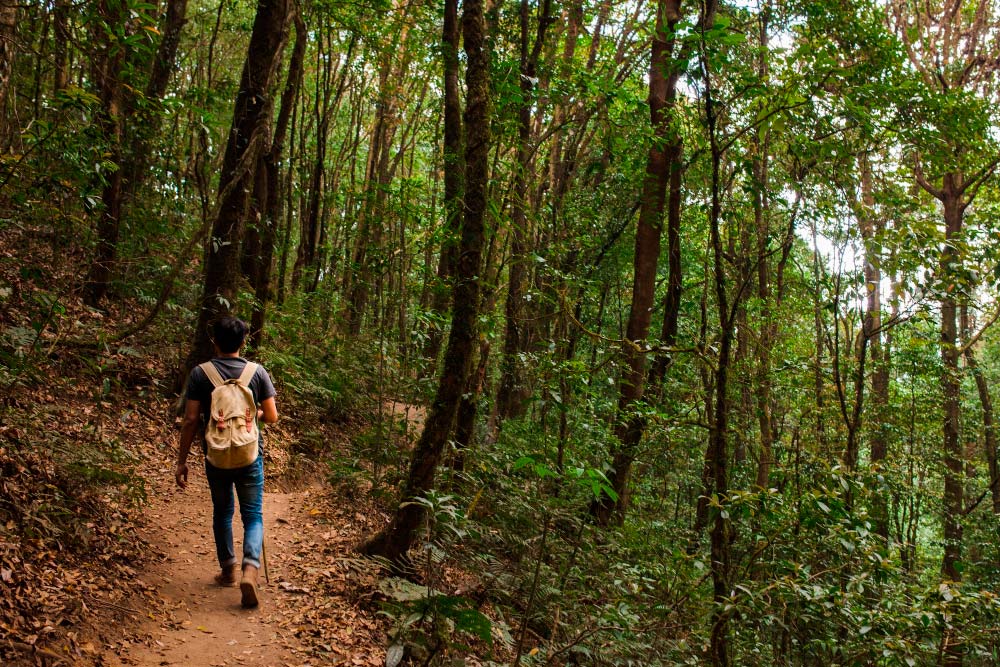
1. The Key: Progressive Training
You don't need to be an elite athlete, but you do need to get your body used to continued effort.
- Start Early: The ideal is to start your preparation at least 2 or 3 months before of the departure date. The more time you have, the more gradual and effective the adaptation will be.
- Increase Distance Gradually:
- Start with short, low-intensity walks (30-45 minutes, 2-3 times a week).
- Increase the duration and distance progressively. Each week, try to add a little more time or miles.
- Incorporate a longer walk on weekends, simulating a stage of the Camino (for example, start with 10 km and reach 20-25 km before the pilgrimage).
- Acclimatization to the Backpack: This is a critical point. On your training walks, especially the longer ones, load your backpack with the actual weight what you plan to take on the Camino. This will familiarize your shoulders, back, and hips with the load, and allow you to adjust the fit of the pack to make it as comfortable as possible.
2. Diversify your Training Grounds
El Camino is not an athletics track. You will encounter all types of surfaces.
- Asphalt, Dirt, Gravel: Vary the types of terrain you walk on. This will help strengthen different muscles of the foot and leg, and accustom the joints to varying impacts.
- Slopes (Ups and Downs): Look for hilly areas in your training. Descents are often more demanding on the knees than climbs. Training on slopes will help you strengthen your quads and improve your technique to protect your joints.
3. Complementary Strengthening and Stretching
Beyond walking, some additional exercises will be of great help.
- Legs and Core: It incorporates strengthening exercises for the legs (squats, lunges) and the core (abs, planks). A strong core helps maintain good posture and reduce the load on your back.
- Stretches: Perform gentle stretches after each training session. Focus on the muscles in your legs (calves, hamstrings, quadriceps) and back. Flexibility reduces the risk of cramps and injuries.
- Foot Care: Spend time stretching and strengthening the muscles in your foot and ankle. You can do ankle rotations or pick up small objects with your toes.
4. Footwear: Your Most Important Companion
Your choice of footwear can make or break your Camino.
- Never Wear New Footwear on the Road! Wear your hiking boots or shoes on all your training walks. They must be perfectly "broken in" and adapted to the shape of your foot before starting the pilgrimage.
- Comfort and Breathability: Make sure they are comfortable, don't rub, and allow your foot to breathe. Consider a larger number than usual, as feet tend to swell with exertion and heat.
5. Listen to your Body During Training
Fitness is not just about effort, but also about self-awareness.
- Don't Overdo It: If you feel sharp pain, stop. It is better to rest and recover than to strain and get injured.
- Hydration and Nutrition: Stay well hydrated and eat a balanced diet during your training period. This will optimize your performance and recovery.
Adequate physical preparation will give you the confidence and resistance necessary to face the Camino de Santiago, allowing you to enjoy each landscape, each encounter and each reflection without fatigue or discomfort overcoming you. It is the best investment for your pilgrimage!

















