



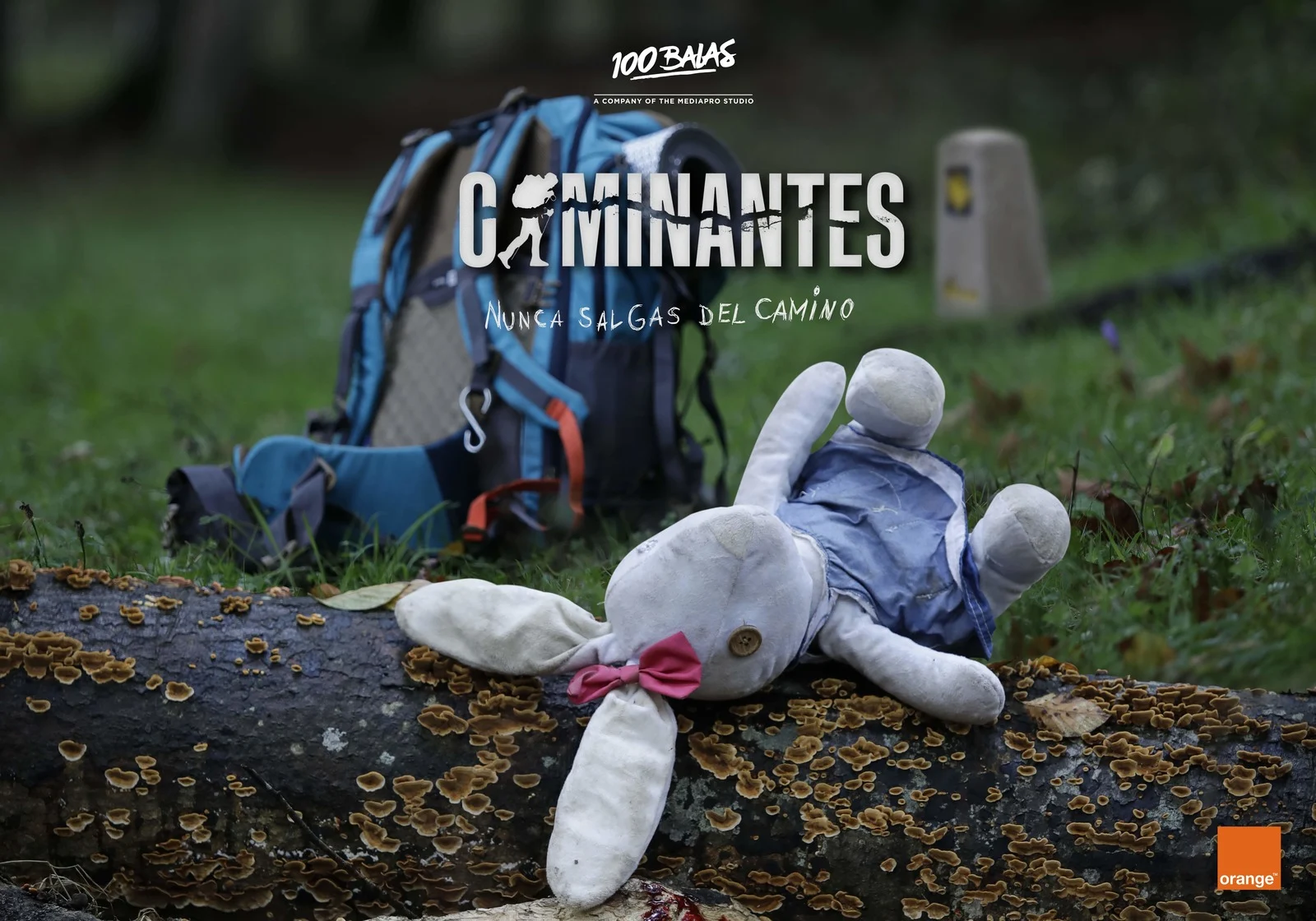
RED ALERT ON THE ROAD! RTVE Transforms the Pilgrimage into a Human Hunt: Is This What We Need?
RTVE Play premieres 'Caminantes', a thriller that places terror in the Irati Jungle, using the Camino de Santiago as a macabre backdrop. A dangerous trivialization that could affect the essence and safety of the most sacred Route in Europe, especially for the most vulnerable.
Madrid, Spain – In a movement that many describe as irresponsible and opportunistic, RTVE Play launches its new youth fiction bet: 'Walkers'. This thriller, which will arrive on the platform on July 24 with 7 chapters, aims to transfer the horror genre to the iconic Camino de Santiago. However, the proposal, far from being a simple fiction, has raised alarms about the trivialization and potential exploitation of a route with a deep spiritual and human meaning, as well as the risk of generating unfounded fears in susceptible audiences.
RTVE Transforms the Pilgrimage into a Human Hunt
Directed by Koldo Serra, the production uses the technique of found footage and mockumentary to narrate the disappearance of five young people in the Irati Jungle in August 2019. Their mobile phones, found weeks later, reconstruct 40 hours of nightmare: what seemed like a summer adventure turns into a manhunt at the hands of a disturbed family, linked to sinister events in 1999.
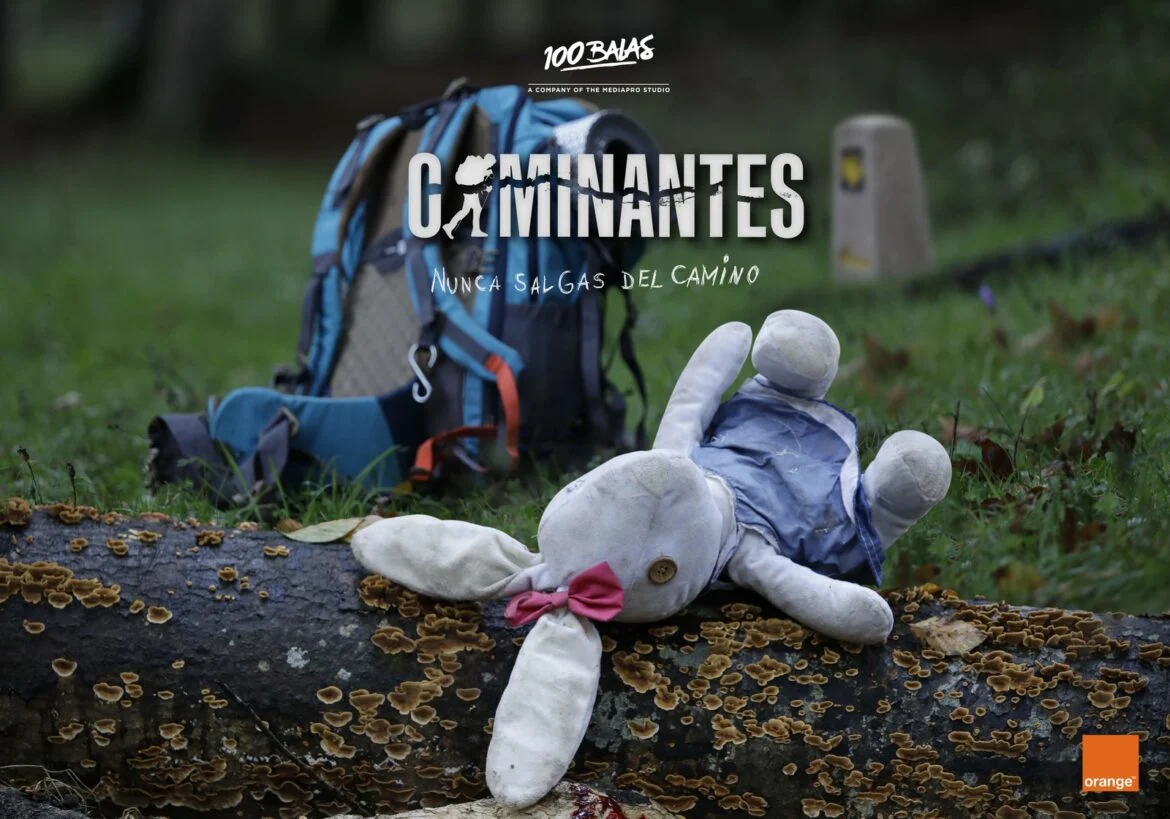
The Road as a Crime Scene: A Dangerously Crossed Line
Here lies the crux of the matter and the most explosive point of the criticism. The Camino de Santiago is not a mere decoration for a thriller of rural horror. It is an ancient route of pilgrimage, introspection, personal search and, fundamentally, security and community. By making it the scene of a "manhunt" and elements of "rural terror," RTVE not only trivializes its spiritual meaning, but projects an image of insecurity and danger which is far from reality.
This instrumentalization of the Camino for low-cost entertainment has an undeniable negative impact, especially in susceptible people: young people who, attracted by fashion or physical challenges, can be influenced by these fictional narratives. What message is sent when Public Television uses a symbol of peace and encounter to sell scares and anguish? There is a risk of:
- Generate Unfounded Fears: Creating a perception that the Camino is a dangerous place or prone to extreme situations, deterring potential pilgrims, especially those seeking a safe environment for their personal journey.
- Distort its Essence: Reduce the profound cultural, spiritual and human experience of the Camino to a mere backdrop for a gore-fest youth. The hospitality, mutual aid and historical and cultural wealth that define it are ignored.
- Promote the Feeling of Vulnerability: In a context where the safety of the pilgrim is paramount, presenting scenarios of kidnappings or persecutions can psychologically affect people who already undertake the Camino with certain apprehensions or seeking to overcome traumatic experiences.
While the cast, full of promising young people, and the directing team (Koldo Serra, José A. Pérez Ledo) promise "tension and elements of rural horror", the question that resonates is: at what price? Nature, in this story, becomes a "contrary character", but it is the Camino itself that becomes a collateral victim of this commitment to nature. cheap sensationalism.
RTVE, as a public broadcaster, should have greater responsibility in the representation of our cultural and spiritual heritage. Transforming the Camino de Santiago into a platform for horror fiction is a false step that can not only negatively affect its image, but also the experience of thousands of pilgrims who seek refuge in it, not a nightmare.
Hashtags:
- #NotToTheRoadOfTerror
- #RTVEIrresponsible
- #CaminoNoEsUnThriller
- #ProtectThePath
- #JacobeanBanalization
- #RespectToPilgrim
- #EssenceOfThePath
- #WalkersRTVE
- #SensationalismTV
- #ThePathIsSafe
- #STOPTrivialization

















