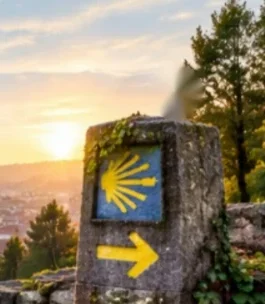


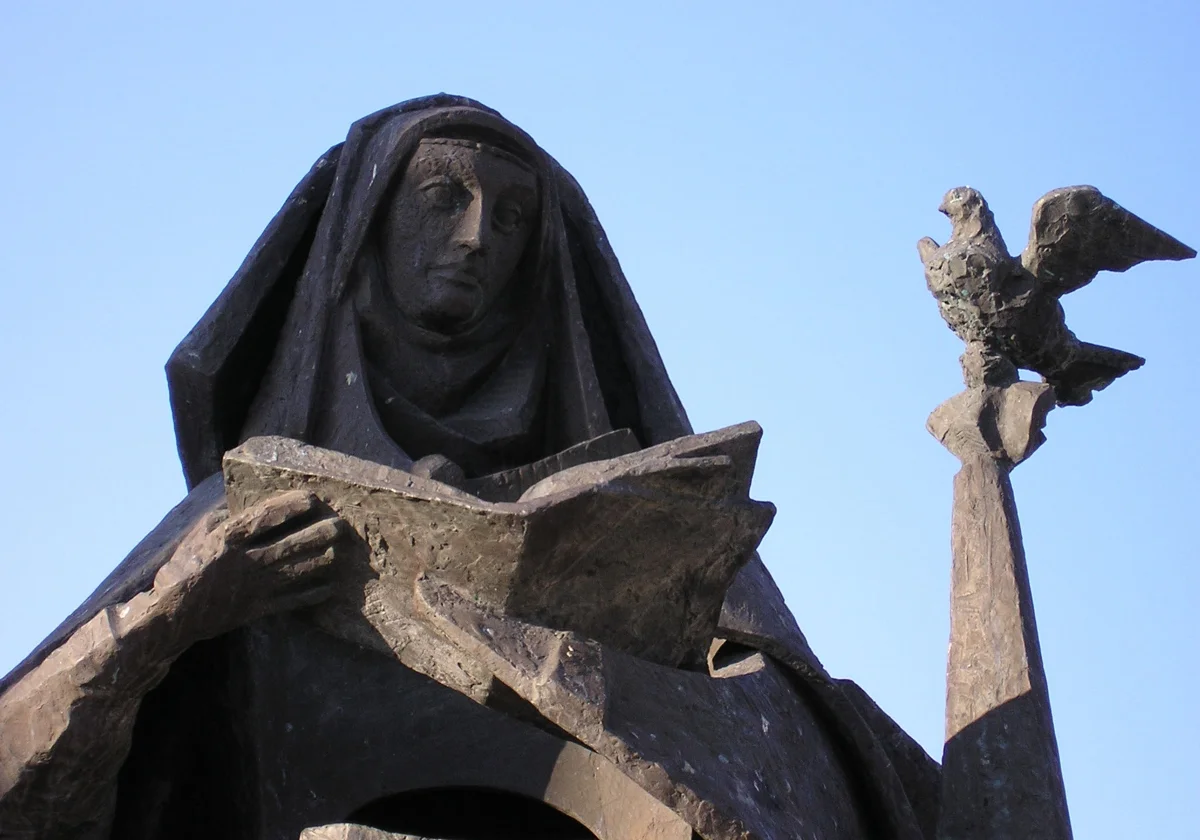
Following in the footsteps of Saint Teresa: The pilgrimage routes in the province of Salamanca represent an invitation to immerse yourself in centuries of history, spirituality and natural beauty. These paths have been traveled by thousands of pilgrims who, on their journey, not only seek to reach a religious destination, but also connect with the cultural legacy that has marked the region. Along these itineraries, visitors can discover monasteries, churches and landscapes that have witnessed key moments in the history of spirituality; and each of the routes offers an enriching experience, where inner reflection is combined with the opportunity to enjoy the most authentic corners of the province.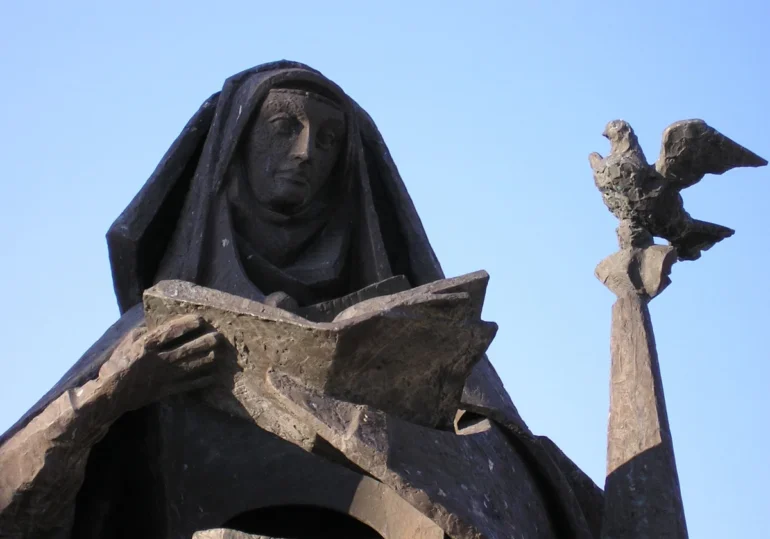
In these moments when Saint Teresa is so present, her legacy remains alive in the routes that follow the steps of her life and her spirituality. The Teresian Route 'From the Cradle to the Grave' is one of the main pilgrimage routes that cover the most significant places for the saint. It allows you to delve into the history of one of the most relevant figures, discovering the places that marked his childhood, his religious life and his spiritual legacy because it not only offers an experience of faith and reflection, but also invites pilgrims to explore the historical, architectural and cultural heritage of Salamanca, while following in the footsteps of Saint Teresa on her journey of devotion and reform.
Teresiana Route: from Ávila to Alba de Tormes
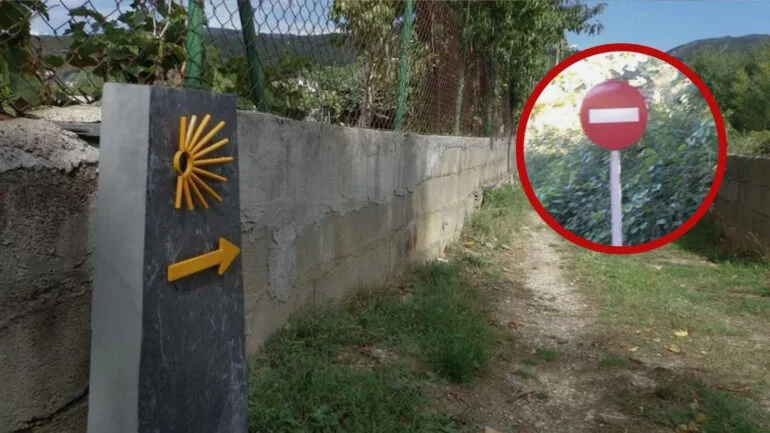
The route 'From the cradle to the grave' unites the two Teresian cities par excellence, Ávila and Alba de Tormes and offers the pilgrim a historical and spiritual journey in the footsteps of the Holy Andariega; and in the province of Salamanca it has already become a resource of cultural interest and great heritage wealth. Its North and South Roads comprise a total of 40 and 30 kilometers respectively, through which followers and faithful can get closer to the life of Saint Teresa of Jesus and thus contemplate the landscapes in which a good part of her life was shaped.
The starting point of these two sections is the town of Mancera de Abajo, and while the Camino Norte runs through the municipalities of Bóveda del Río Almar, Peñaranda de Bracamonte, Nava de Sotrobal, Coca de Alba and Peñarandilla; The South Road goes through Macotera, Tordillos and La Lurda. Furthermore, both roads converge in the town of Garcihernández, 8.5 kilometers from Alba de Tormes. And along the way, pilgrims can enjoy a valuable artistic and cultural legacy, among which the vestiges of Mudejar art stand out, present in towns such as Peñarandilla and Macotera; and participate in events such as the 'Pilgrimage and Culture Days', designed to highlight the heritage and tradition of these municipalities.
FOUNTAIN: SALAMANCA TODAY