



The pilgrim, 67 years old, was found dead in a lodging in Ventosa
The Camino de Santiago is once again colored with mourning after the death of a 67-year-old Australian pilgrim who was found dead in a lodging in the Rioja town of Ventosa, one of the usual stages of the French Way as it passes through Rioja.
According to various Rioja media reports, the body was found by those responsible for the establishment where the pilgrim was staying. At first there were no signs of violence, so the autopsy will determine the exact causes of death.
The news has generated a great commotion among pilgrims and neighbors linked to the Camino de Santiago, especially because it is a route that each year brings together thousands of walkers from all corners of the world to live a spiritual, cultural and personal experience.
Ventosa, one of the historical points of the French Way
The town of Ventosa, located between Nájera and Logroño, is one of the best-known small municipalities of the French Way in La Rioja. Every day, numerous pilgrims stop in this area to rest before continuing towards Santiago de Compostela.
The death of pilgrims during the route, although not common, reminds us of the physical hardship of the Camino de Santiago, especially for elderly people or during long and demanding stages. Accumulated fatigue, high temperatures, cardiovascular problems or previous pathologies can become risk factors during the pilgrimage.
The Camino de Santiago receives thousands of international pilgrims every year, with Australia being one of the countries where interest in doing the Jacobean route has grown the most in recent years.
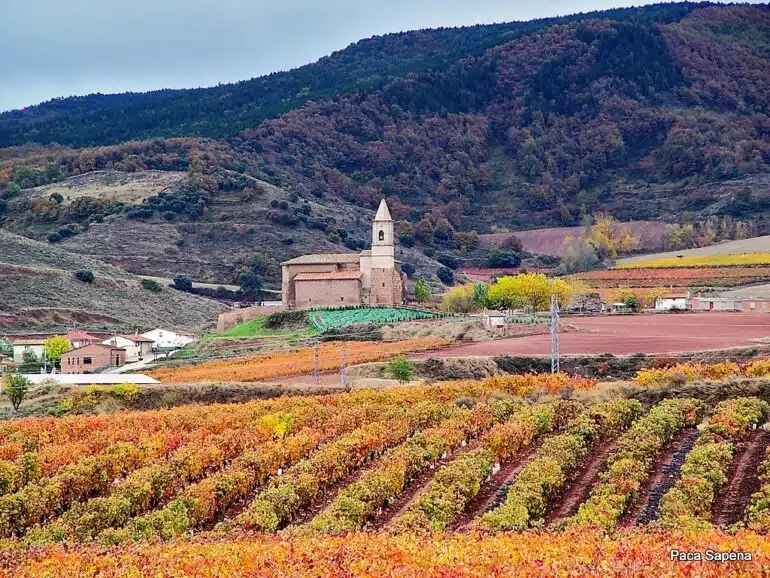
The Camino de Santiago, an intense experience also on a physical level
Many pilgrims prepare for months for their adventure to Santiago, but experts and associations remember the importance of carrying out prior medical checks, maintaining proper hydration and adapting the stages to the physical state of each person.
Despite this tragic event, the Camino de Santiago continues to be one of the great cultural and spiritual routes in the world, capable of uniting people from different countries, ages and cultures around a unique experience of personal improvement, coexistence and discovery.
The Civil Guard and the forensic services continue to investigate the circumstances of the death while the environment of the Camino once again shows its most human and supportive side in the face of news that has caused sadness among hospital workers and pilgrims.

















