

The Euphrasian Way once again takes center stage after completing a route that connects Andalusia with Galicia
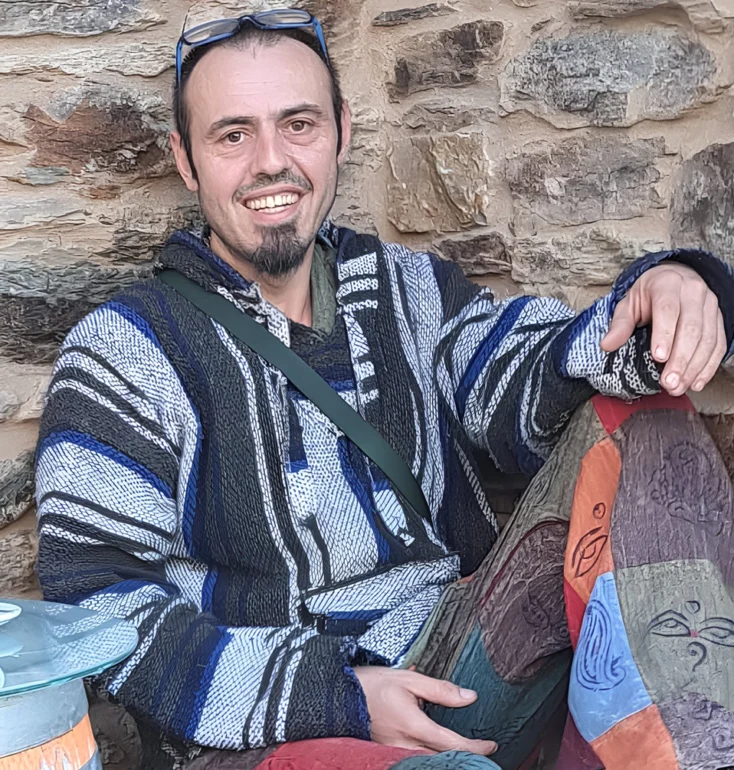
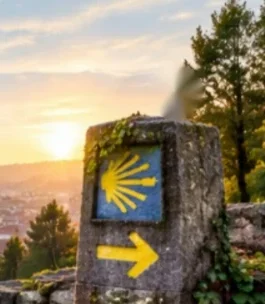
The ancient pilgrimage routes still hold surprising stories. One of them is the call Euphrasian Way, a historical itinerary that connects the Andalusian city of Andújar with the Lugo municipality of O Incio, in Galicia. A close-up tour of 800 kilometers which has recently attracted attention again after being completed by a pilgrim who decided to follow this little-known route step by step.
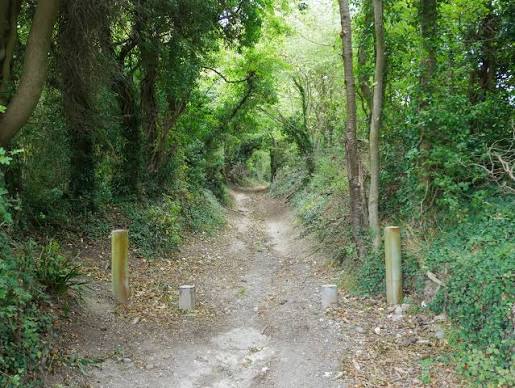
The route joins two very different points in Spanish geography. From the south of the peninsula, in the province of Jaén, the road heads north through different landscapes, towns and regions until reaching the Val do Mao, in the municipality of O Incio. From this place, walkers can continue to Santiago de Compostela, linking with other Jacobean routes.
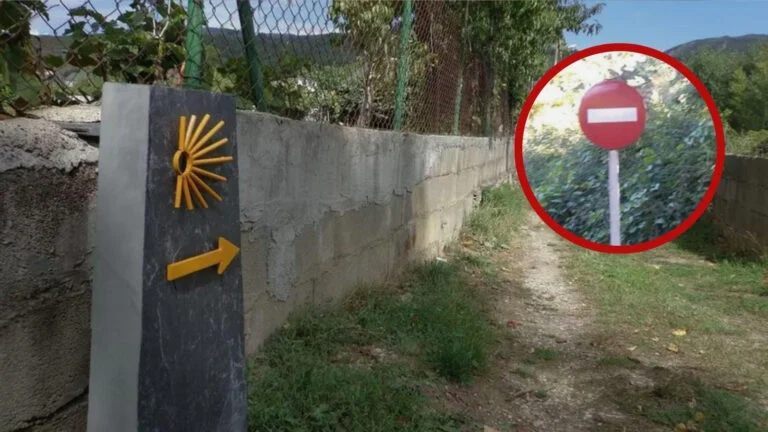
It is a demanding route that does not usually appear in the most popular guides of the Camino de Santiago, but it has a strong historical and cultural load. For centuries, secondary pilgrimage routes were used by travelers heading to Compostela from different points of the peninsula, creating a network of routes that can still be followed today.
Completing a journey of this distance is not easy. They are weeks walking, adapting to the climate, the terrain and the rhythm of each day. There are days of long stages, others of forced rest, and moments when fatigue weighs more than the backpack. But for those who dare to travel these routes, the path ends up being much more than a walk.
Many pilgrims agree that the most valuable thing is not only the final destination, but everything that happens during the journey: the landscapes that change with each stage, the improvised conversations with people they meet along the way and the feeling of advancing little by little towards an objective.
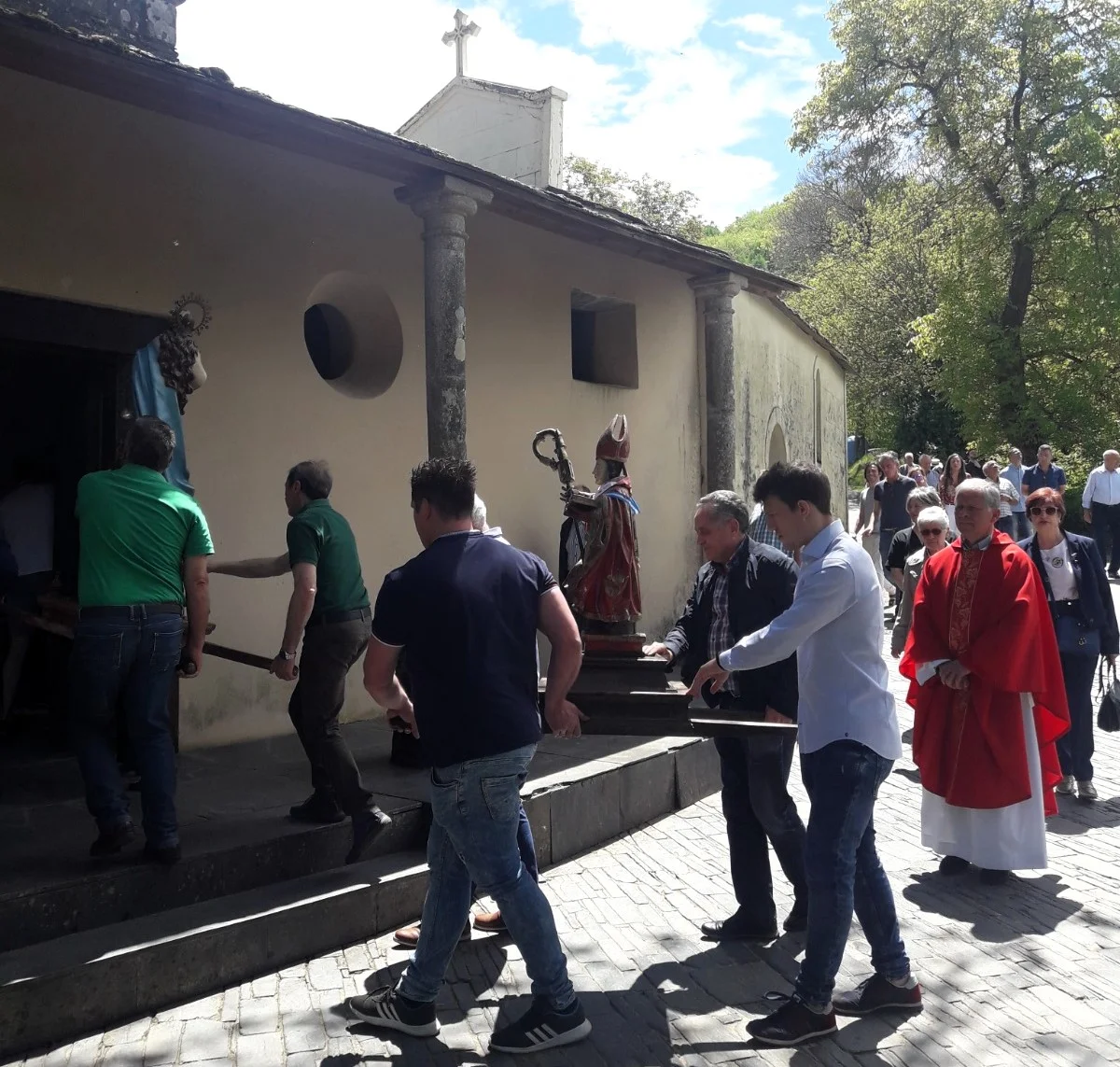
The end of the route in O Incio also has a special meaning. The Mao River Valley is a quiet and natural area in the interior of Lugo that keeps the rural atmosphere of Galicia intact. From there, the pilgrim can continue to Santiago or simply stop and enjoy the place where this long journey ends.
Although the Euphrasian Way remains a little-known route, it is increasingly arousing more curiosity among fans of hiking and pilgrimages. Stories like this help to remember that there are still many paths to discover within the great network of Jacobean routes.
And sometimes, the roads less traveled are the ones that hold the most interesting stories.