




The Academy of Gastronomy of the Caminos de Santiago It is now an official reality after being registered in the Principality of Asturias. This is a project that was born with the intention of highlighting the relationship between culinary tradition and the Jacobean routes that cross the peninsula until reaching Santiago de Compostela.
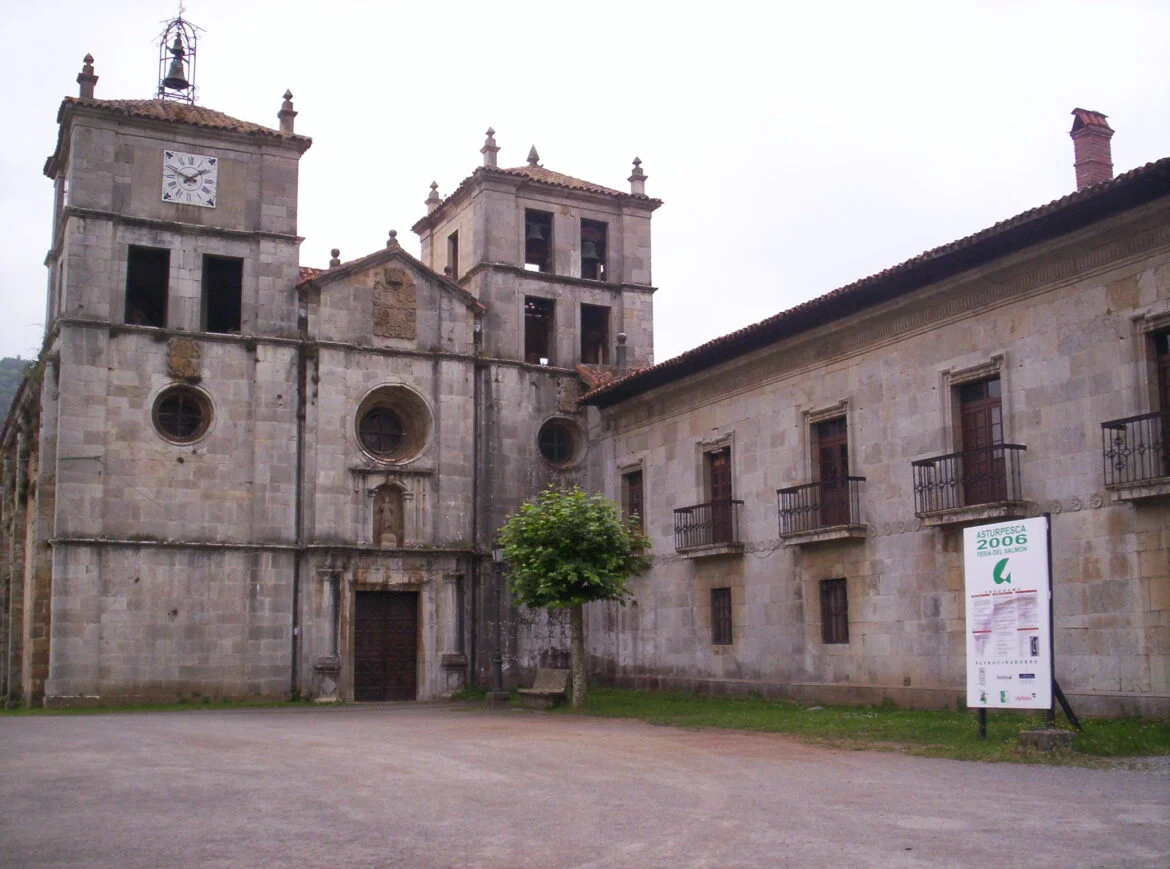
The headquarters of the new academy will be located in the Monastery of San Salvador de Cornellana, in the council of Salas, a historical enclave closely linked to the Camino Primitivo. This building, with centuries of history, will be the reference point from which different initiatives related to the gastronomy and culture of the Camino will be promoted.
The idea that drives this project is simple but ambitious: highlighting the gastronomic heritage that accompanies pilgrims throughout their journey. Each territory through which the Camino de Santiago passes has its own products, recipes and traditions that are part of the travel experience.
For centuries, pilgrims not only walked these trails, but also shared tables, markets, and culinary traditions. This mix of cultures and flavors gave shape to a very particular gastronomic identity that is still present today in many towns along the Camino.
The academy precisely wants to study, preserve and disseminate that legacy. Among its objectives is to promote gastronomic research, support local producers and give visibility to the traditional cuisine of the territories that are part of the Jacobean routes.
The choice of Cornellana as headquarters also has a strong symbolic value. This Asturian town is one of the crossing points of the Camino Primitivo, one of the oldest routes to Santiago. Every year thousands of pilgrims cross this area of western Asturias, where hospitality and gastronomy are part of the local character.
Furthermore, the project seeks to become a meeting point for hospitality professionals, researchers, institutions and people linked to the world of the Camino de Santiago. The academy aims to promote meetings, cultural activities and projects that help strengthen the link between gastronomy, territory and pilgrimage.
With its official registration, this new institution now begins its journey with the aim of highlighting a fundamental part of the Jacobean experience: the cuisine, the local products and the flavors that accompany the pilgrims stage after stage.

















