What to do if you are injured on the Camino de Santiago? Quick Guide to First Aid, Medical Assistance and Health Coverage
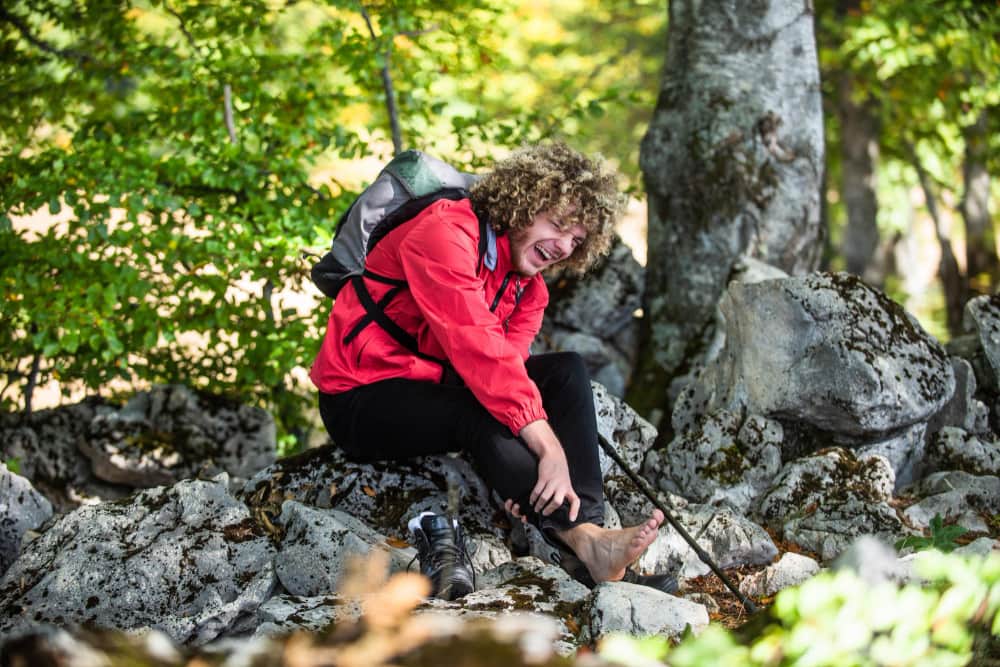
The Camino de Santiago is a transformative experience, but also a physical demand. No matter how much preparation we carry out, a poorly healed blister, unexpected tendonitis or a sprain can force us to stop.
Warning: NEVER you walk over a serious injury. Prioritize your health over the stage.
I. Emergency First Aid on the Road
If the pain forces you to stop, act immediately to prevent the injury from getting worse:
- Stop and Evaluate: If the pain is sharp and immobilizing, stop immediately. Take off your backpack and find shade or a safe place.
- RICE (On the Road) Principle:
- Rest (R): Stop immediately. Don't try to "walk to the next town."
- Ice/Cold (I): If possible, look for something cold (a bottle of water from your backpack or ask for ice at the next bar or hostel).
- Compression (C): Bandage the injured area to reduce swelling (if you have bandages in your medicine cabinet).
- Elevation (E): Sit or lie down and elevate the limb above the level of the heart.
- Emergency Medications: If you can take it, a pain reliever such as Ibuprofen or Paracetamol can help control pain and inflammation while you get to medical care.
II. Seeking Medical Assistance and Health Coverage
Once the initial pain is controlled, it is vital to know who to go to, especially depending on where you are coming from:
1. If you are a Spanish or European Union (EU) Citizen
- The European Health Insurance Card (EHIC): If you are from an EU or EEA country, the EHIC covers you for basic public healthcare in Spain, just as it would for a Spanish citizen. Always carry it with you.
- Where to go: Go to the Health Center (CAP) o Local Office nearest. Ask the locals or hospitable by the direction.
- Emergencies: In case of a serious injury (fracture, heat stroke, fainting), call the emergency number: 112.
2. If you are a Foreign Pilgrim (Non-EU)
- 🚨 Billing Risk: If you are not an EU citizen and do not have private health insurance, hospital or specialist care will be billed at full cost, which can be very expensive.
- Immediate Action with Private Insurance: If you took out a policy (most recommended!), call your company immediately. They will tell you which clinic or hospital to go to and will take care of the management.
- Pharmacies: Spanish pharmacies can offer great help for minor problems (infected blisters, chafing, etc.) and do not require a prescription for many basic medications.
III. Plan B: Discharge and Transfer Management
If the injury forces you to stop walking, you need a logistical plan:
- Rest Accommodation: Most public shelters have a one-night maximum stay rule. If the doctor asks you to rest for several days, you should find a private accommodation (hostel or pension) that allows longer stays near the medical center.
- Backpack and Luggage Management: If you must skip stages or return home, do not carry the backpack. Exertion will only make the injury worse. Hire a luggage transport service to take it to your next destination or to the nearest post office to send it home.
- Return Transfer: If the injury is serious and you must abandon the Camino completely, check if your insurance policy travel insurance includes the repatriation or coverage of cancellation fees for medical reasons. This service is expensive and advertisers bid a lot for it.
Conclusion: Listen to your Body
The Camino will always be there for you. The injury is just a pause, not a failure. The best medicine is prevention, but if it happens: act quickly, use your health coverage and do not put your health at risk by finishing a stage.