











Behind the peace and spirituality of the Camino de Santiago, real dangers still exist
For hundreds of thousands of people each year, the Camino de Santiago represents hope, personal growth, friendship and spiritual renewal. It is a journey that changes lives, bringing together pilgrims from every corner of the world in search of something deeper than a simple holiday.
But behind the image of yellow arrows, welcoming hostels and breathtaking landscapes, there is another reality that is rarely discussed: the Camino also carries risks.
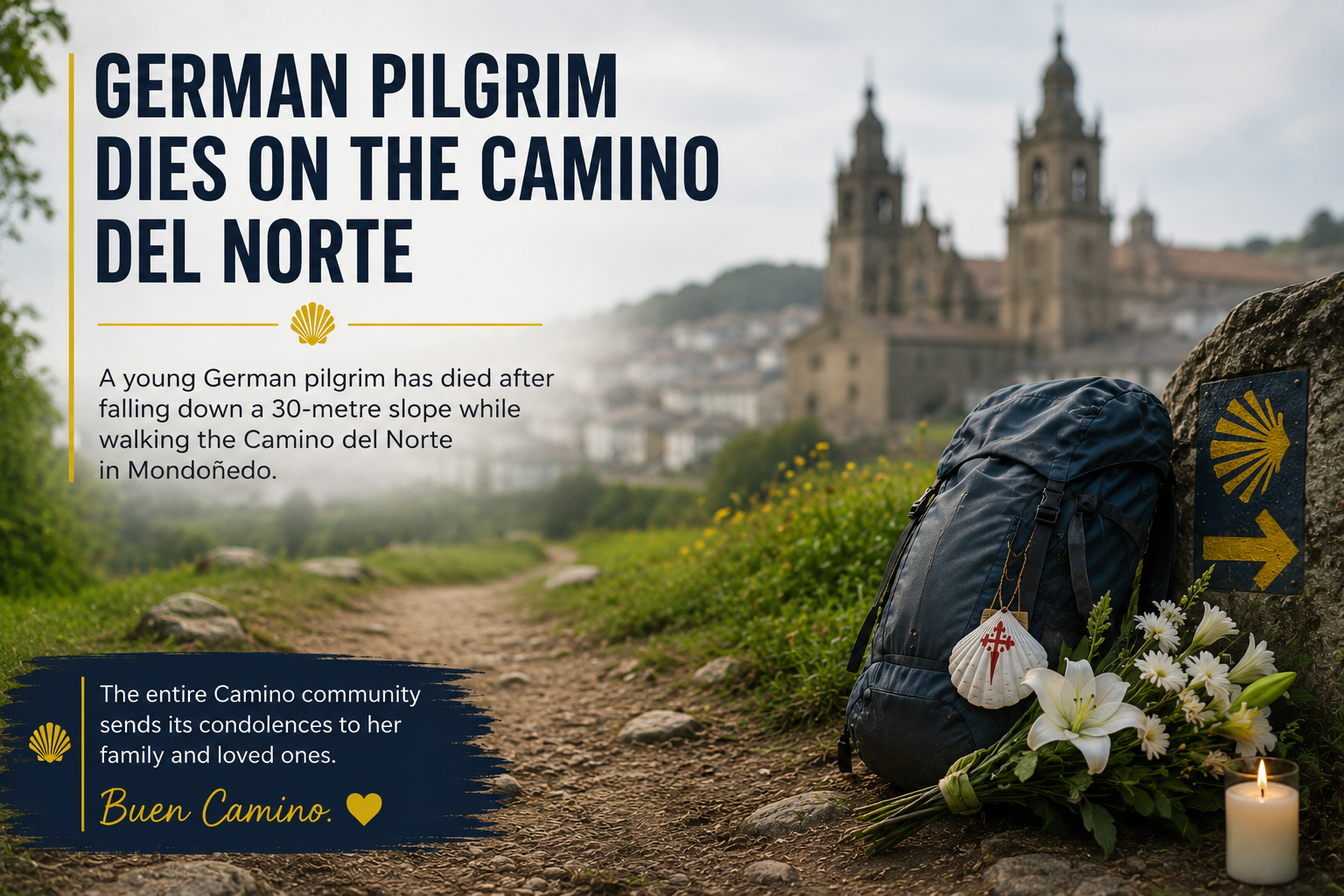
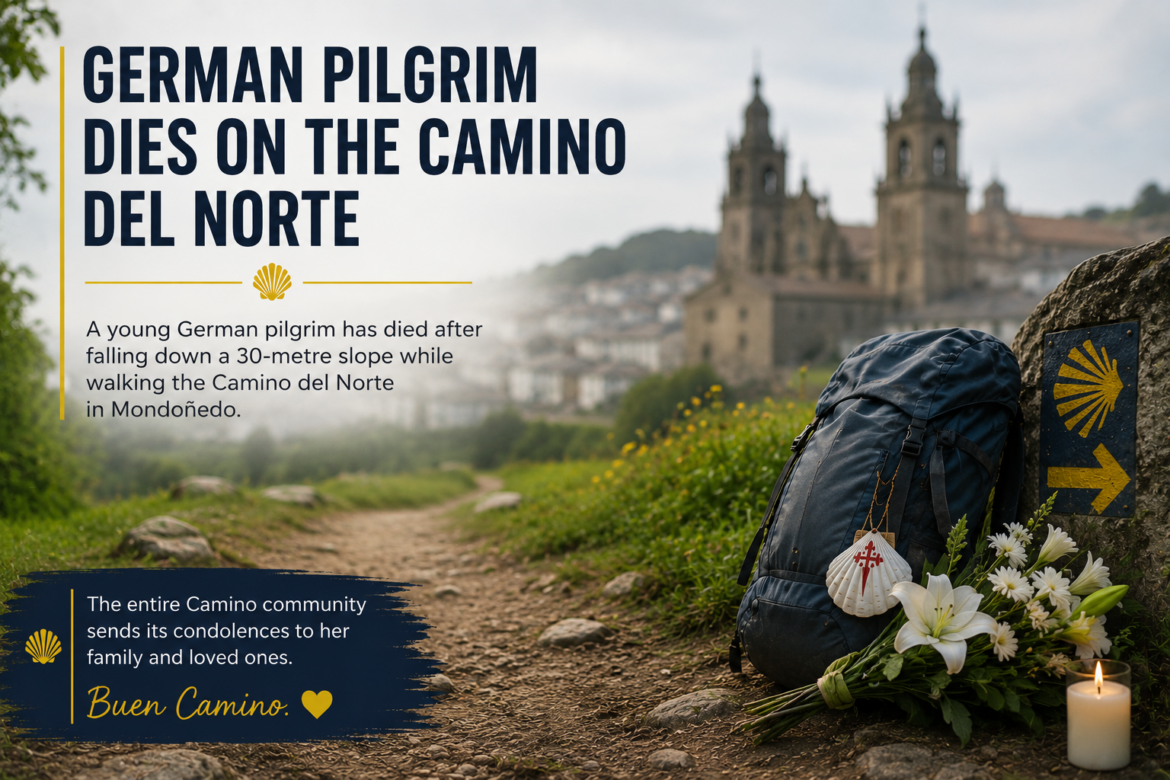
The recent death of a young German pilgrim on the Camino del Norte has once again highlighted an uncomfortable question: are the pilgrimage routes prepared for the increasing number of people who travel them every year?
A Journey of Beauty – and Vulnerability
Pilgrims walk for many different reasons. Some seek spiritual answers. Others walk in memory of loved ones, to overcome personal challenges or simply to disconnect from modern life.
Yet, regardless of their motivations, they all share a common vulnerability.
Long distances, physical exhaustion, unpredictable weather, steep descents, rural roads shared with vehicles and moments of inattention can transform an unforgettable experience into a tragedy.
Although serious incidents remain relatively rare considering the enormous number of pilgrims on the Camino, accidents do happen every year. Most are minor, but some leave lasting consequences for families and communities.
The Responsibility of Safety
As pilgrim numbers continue to grow, experts increasingly point to the need for improved safety measures.
Clearer signage, better maintenance of potentially hazardous sections, enhanced information for international visitors and greater awareness of physical limitations could all help reduce risks along the routes.
Cyclists, walkers and local traffic often share the same spaces, creating situations that require constant attention and mutual respect.
The challenge is finding the balance between preserving the authentic spirit of the Camino and adapting to the demands of a modern pilgrimage phenomenon.
Every Pilgrim Has a Story
Perhaps what makes these tragedies so moving is the understanding that every pilgrim carries a unique story.
Behind every backpack there are dreams, fears, promises and hopes.
Some people walk to celebrate recovery from illness. Others honour someone they have lost. Many simply want to prove to themselves that they are capable of reaching Santiago.
When a pilgrim’s journey ends unexpectedly, the entire Camino community feels the loss.
Because on the Camino, strangers quickly become companions.
A shared breakfast, a conversation at sunset or a simple «Buen Camino» often create bonds that transcend language and nationality.
The Camino Must Continue
The existence of risk should never overshadow the extraordinary beauty of the Camino de Santiago.
Millions of pilgrims have discovered friendship, healing and personal transformation through this ancient route.
However, acknowledging that danger exists is also an act of responsibility.
Promoting prevention, encouraging caution and investing in safety measures are essential steps to ensure that future pilgrims can continue experiencing everything the Camino has to offer.
Because the Camino is, above all, a celebration of life.
And perhaps the greatest tribute we can pay to those who never completed their journey is to continue protecting those who still dream of taking their first steps towards Santiago.