







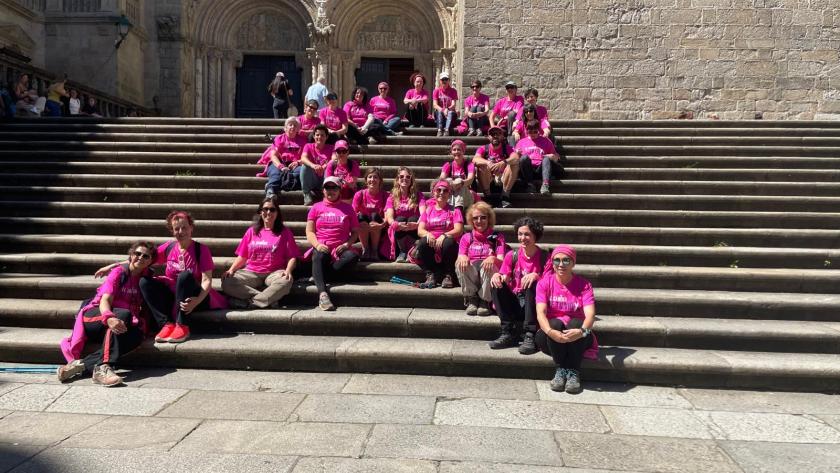
Hospital La Princesa launches a new edition of “The Camino of Your Life”
The Camino de Santiago will once again become a symbol of strength, hope and emotional recovery thanks to a new edition of “The Camino of Your Life”, a project promoted by Madrid’s Hospital Universitario La Princesa for breast cancer patients.
The initiative will officially begin this Sunday with 19 women taking part in a life-changing pilgrimage along the final 115 kilometers of the Camino de Santiago, accompanied by healthcare professionals specialized in oncology and rehabilitation.
The experience aims to improve both physical recovery and emotional wellbeing after difficult cancer treatments, combining walking, nature, personal growth and group support in one of Europe’s most meaningful pilgrimage routes.
Over the years, the project has become one of the most emotional and inspiring initiatives linked to the Camino de Santiago, showing how pilgrimage tourism and healthcare can work together to improve people’s lives.
Five days walking toward Santiago
The group will travel from Madrid and begin the pilgrimage between May 25 and May 29, covering the popular route from Sarria to Santiago de Compostela.
Participants will walk around 25 kilometers per day while being supported by oncologists, physiotherapists, psychologists, rehabilitation specialists and nurses from the hospital itself.
But this Camino is about far more than reaching Santiago.
At the end of each stage, the group will also take part in emotional support sessions where patients can share fears, experiences, emotions and personal reflections born during the journey.
According to the hospital’s medical team, many women rediscover confidence in their bodies and regain emotional strength through the experience of walking together.
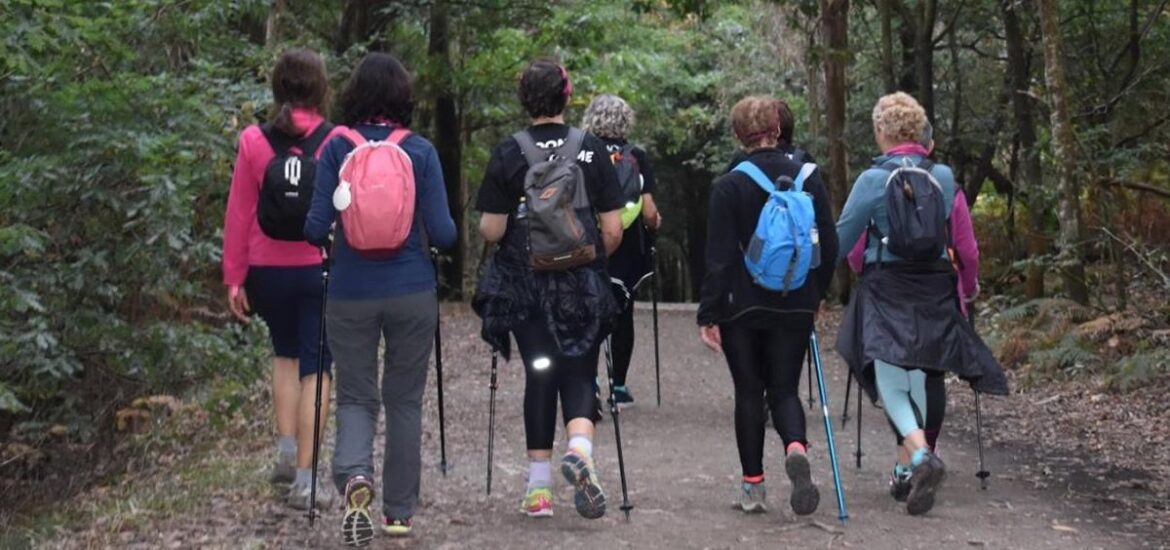
The Camino as a symbol of recovery
For centuries, the Camino de Santiago has represented transformation, healing and personal reflection.
That philosophy is exactly what gives meaning to “The Camino of Your Life”.
Each stage becomes a metaphor for the cancer journey itself: overcoming obstacles, dealing with exhaustion, supporting one another and continuing forward despite difficult moments.
The project was created several years ago by the hospital’s Medical Oncology Department and has already helped more than one hundred women participate in previous editions.
Medical teams involved in the initiative say the emotional results are often extraordinary.
Many participants finish the Camino feeling stronger, more optimistic and emotionally connected to life again after months of uncertainty and medical treatment.
Nature, mental health and wellness tourism
In recent years, the Camino de Santiago has also become internationally recognized as a destination connected to wellness tourism, mental health and emotional balance.
Healthcare professionals increasingly highlight the benefits of moderate physical activity, fresh air, social interaction and nature-based experiences for patients recovering from serious illnesses.
Walking helps improve cardiovascular health, mobility, stress management and emotional wellbeing.
At the same time, sharing the journey with people who have experienced similar struggles creates a powerful sense of community and understanding.
Projects like this demonstrate how the Camino can become much more than a tourist route — it can also become a therapeutic experience.
Medical professionals will accompany the pilgrims
Safety and medical supervision remain essential parts of the project.
Throughout the pilgrimage, participants will be accompanied by a multidisciplinary medical team including doctors, physiotherapists, psychologists and nurses specialized in cancer care.
The group will also have logistical support and transportation assistance during every stage.
Special attention will be given to physical recovery and foot care, especially because some cancer treatments may increase skin sensitivity and fatigue.
One of the most valuable aspects of the initiative is the relationship created between patients and healthcare professionals outside the traditional hospital environment.
Far from consultations and medical rooms, the Camino allows human connections to grow naturally through shared effort and daily conversation.
The Camino continues to show its most human side
Beyond tourism statistics and pilgrimage numbers, initiatives like this reveal the deeper emotional and social power of the Camino de Santiago.
Every year, more solidarity projects, recovery programs and social initiatives choose the Camino as a place for transformation and healing.
This year, 19 women will walk together carrying far more than backpacks.
They will carry stories of courage, resilience and determination.
And when they finally arrive at Santiago de Compostela’s Obradoiro Square, many will probably feel that they have not only completed a pilgrimage.
They will also have started a completely new chapter in their lives.