

History, architecture and the meaning behind the final destination
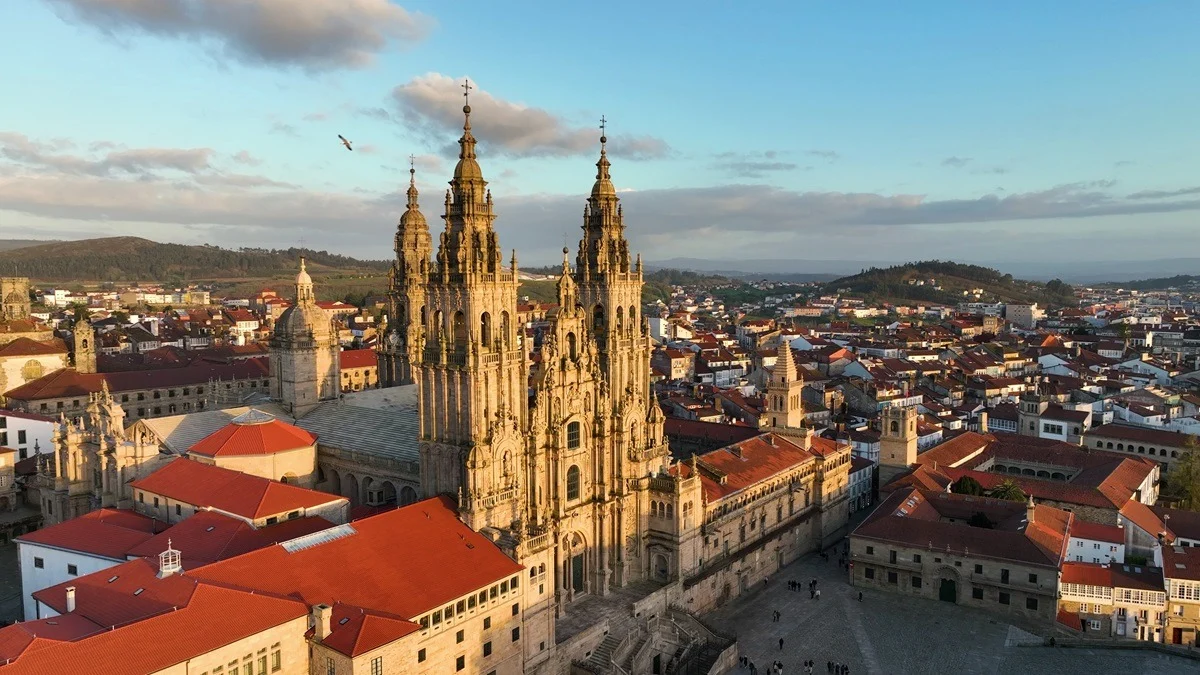
At the end of every Camino de Santiago, there is one place that defines the entire journey: Santiago Cathedral.
In 2026, this historic monument continues to be the spiritual and cultural center of one of the most important pilgrimage routes in the world, attracting hundreds of thousands of visitors each year.
But beyond its fame, the cathedral remains a place where history, faith, and personal stories come together.
A destination shaped by centuries of pilgrimage
The Cathedral of Santiago de Compostela is believed to house the tomb of Saint James the Apostle, making it one of the most significant pilgrimage sites in Christianity.
Its origins date back to the 9th century, when the supposed discovery of the apostle’s remains turned Santiago into a major religious destination. Over time, the city became the endpoint of a vast network of routes crossing Europe.
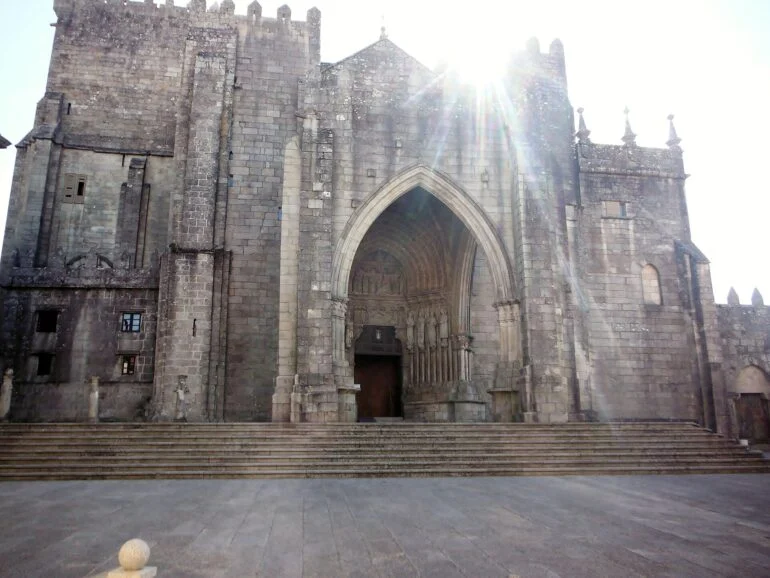
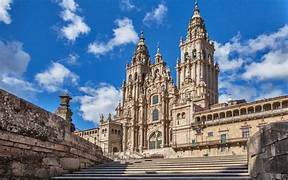
The current cathedral began construction in 1075 and evolved over centuries, combining Romanesque, Gothic, and Baroque elements into a unique architectural masterpiece.
More than architecture: a living symbol
What makes Santiago Cathedral different from other historic monuments is not just its design.
It is what it represents.
For pilgrims, arriving at the cathedral is often an emotional moment:
- some celebrate
- some cry
- others sit in silence
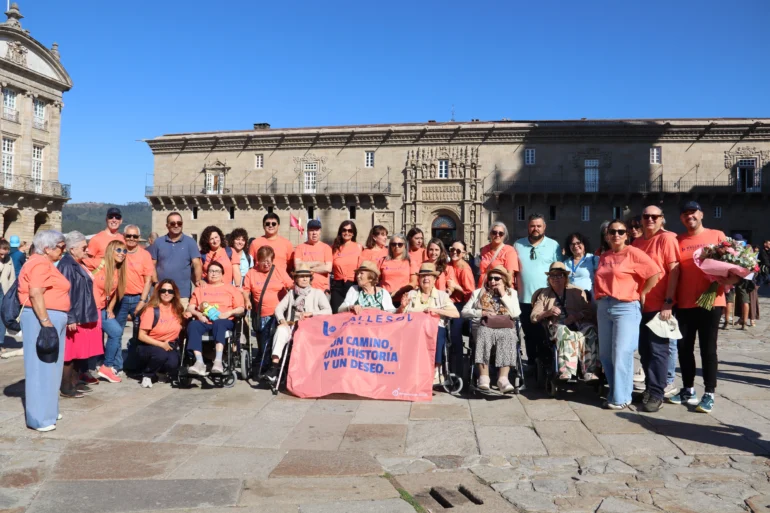
After days or weeks of walking, the Plaza del Obradoiro becomes the stage where the journey finally makes sense.
Key highlights inside the cathedral
The cathedral is filled with elements that define its identity and history.
Among the most important:
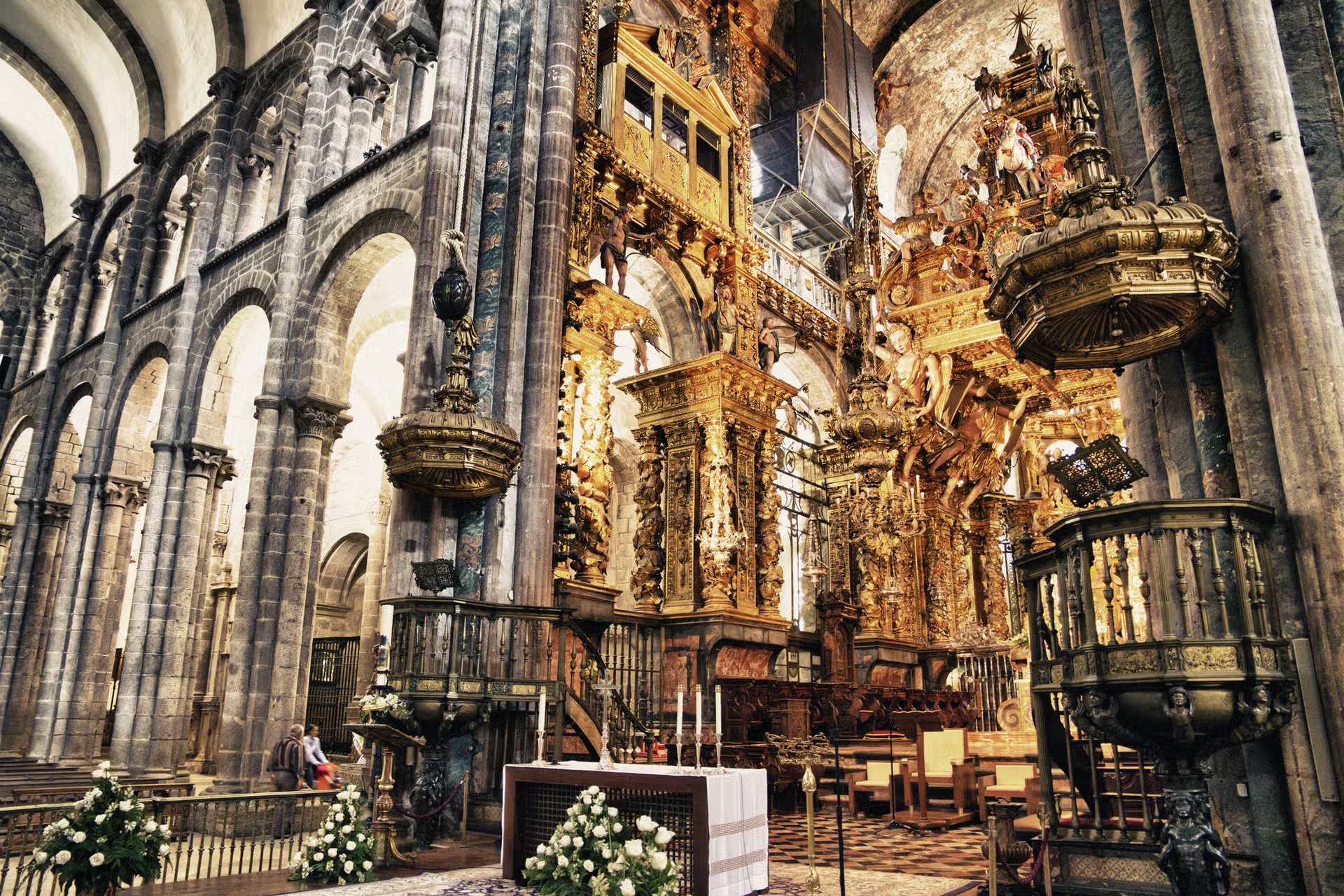
- The Botafumeiro: a giant incense burner used since the Middle Ages, originally to purify the air after pilgrims’ arrival
- The Pórtico de la Gloria: a Romanesque masterpiece created between the 12th and 13th centuries
- The Main Altar: where the figure of Saint James presides over the temple
- The crypt: believed to contain the remains of the apostle
These features make the cathedral not just a place to visit, but a space to experience.
A cathedral surrounded by history
The building is not isolated.
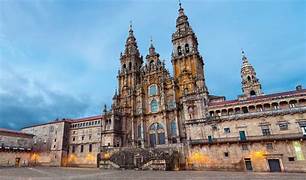
It is surrounded by four iconic squares:
- Plaza del Obradoiro
- Plaza de la Quintana
- Plaza de Platerías
- Plaza de Azabachería
Each of them reflects different aspects of medieval life, from trade to religion.
For pilgrims, however, the most important is the Obradoiro Square — the final point of the Camino.
The Camino effect: why it feels different
Millions of people visit cathedrals every year.
But Santiago is different.
Because most visitors don’t arrive randomly.
👉 They walk to it.
That changes everything.
The experience is not just visual — it is emotional.
Every kilometer adds meaning to the moment of arrival.
2026: a global pilgrimage continues to grow
The Camino de Santiago continues to grow in popularity, especially among international pilgrims.
In recent years, the number of visitors from countries such as:
- the United States
- Germany
- Italy
has increased significantly.
Santiago Cathedral stands at the center of this global movement.
Not only as a religious destination, but as a cultural meeting point.
Visiting the cathedral today
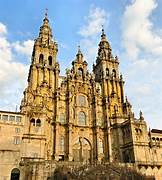
In 2026, the cathedral remains fully accessible to visitors, with organized entry systems and guided tours available.
Visitors can explore:
- the museum
- the cloister
- the rooftops
- and selected interior spaces depending on availability
Religious services, including the Pilgrim’s Mass, continue to be held daily.
A place beyond belief
While the cathedral is deeply rooted in Christianity, today it welcomes people of all backgrounds.
Pilgrims arrive for many reasons:
- spiritual
- personal
- cultural
- or simply curiosity
Yet they all share the same destination.
The final lesson of the Camino
For many, reaching the cathedral brings a surprising realization:
👉 the journey was more important than the destination
Still, standing in front of Santiago Cathedral remains one of the most powerful moments on the Camino.
A timeless ending… and a new beginning
In 2026, Santiago Cathedral continues to be what it has always been:
- a symbol
- a destination
- and a turning point
Because while the Camino ends here…
👉 something else begins.