A project that unites Cantabria and León to give visibility to Gaudí's work with the Camino as a reference
A new cultural project has begun to take shape with an ambitious objective: to create an itinerary that connects several of the buildings designed by Antoni Gaudí outside Catalonia and convert them into a cultural route inspired by the model of the Camino de Santiago.
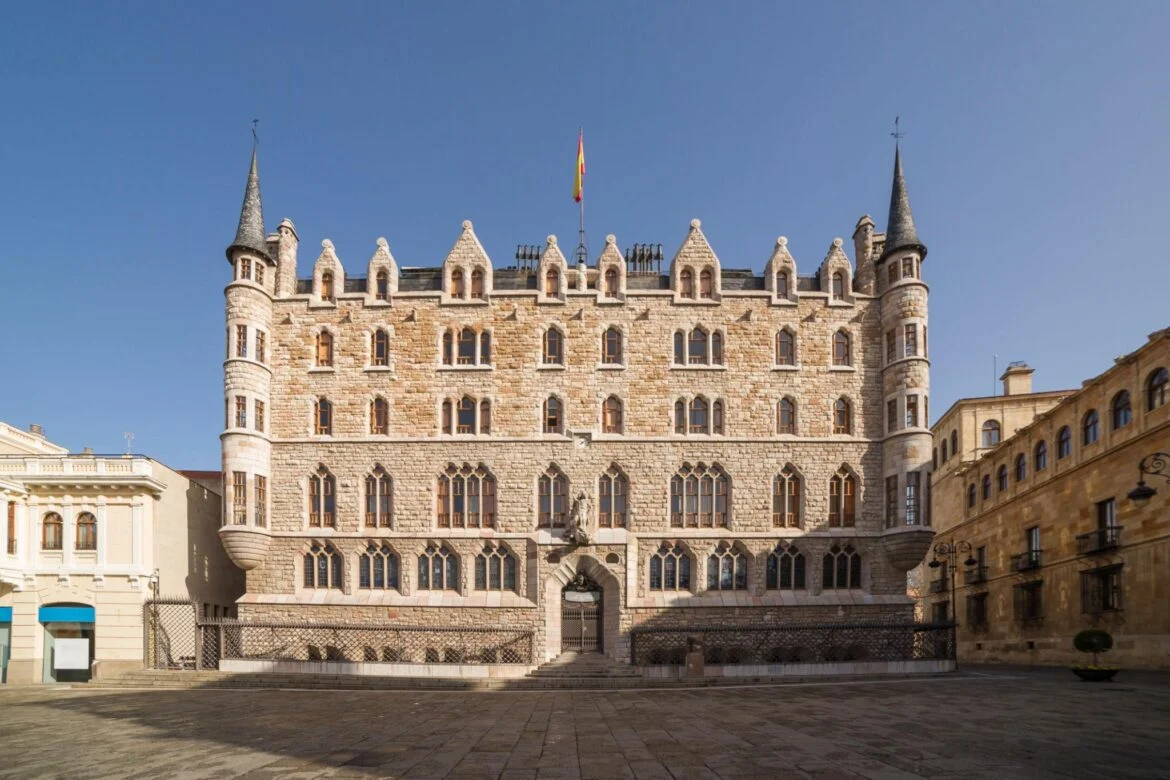
The initiative brings together three key spaces: the Episcopal Palace of Astorga, the Casa Botines of León and El Capricho of Comillas, to which is added the collaboration of institutions linked to the study and dissemination of the architect's work. The purpose is that these places, often less known than the great works of Barcelona, form part of a coherent route that allows us to discover the international dimension of Gaudí.

Much more than tourism
The project is not limited to attracting visitors. Its promoters also seek to develop educational, cultural and social activities, paying special attention to young talent. Among the ideas raised are training programs, awards and activities aimed at children and young people, as well as initiatives that connect art with the social and philanthropic sphere.
This approach aims for the itinerary to be not only a tourist proposal, but also a space for creativity, learning and cultural dissemination.
The model of the Camino de Santiago as a reference
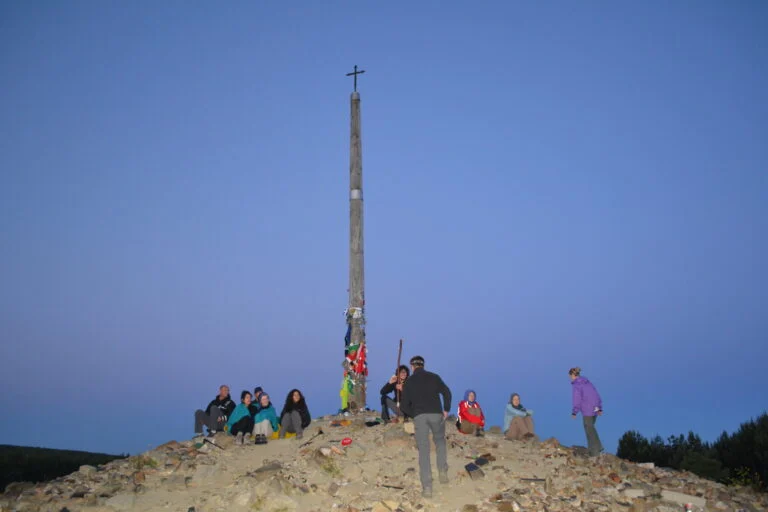
Those responsible for the project recognize that the Camino de Santiago is one of the great European examples of how a cultural itinerary can generate identity, attract visitors and energize territories. The idea of the “Gaudí Way” takes this reference to propose a route that combines architecture, history and travel experience.
However, experts remember that consolidating a cultural route requires time, adequate signage, coordinated promotion and services that allow visitors to travel it easily, elements that have been key to the success of the Camino de Santiago for decades.
A long-term challenge
The “Gaudí Way” is still in an initial phase, focused on cooperation between institutions and the design of joint activities. In the coming years, the challenge will be to convert that idea into a real experience for the visitor, with clear itineraries, cultural proposals and its own identity.
If the project manages to consolidate, it could open up a new way of exploring heritage in northern Spain, combining architecture, history and travel, and demonstrating that cultural routes continue to be a powerful tool to connect territories and people.