SANTIAGO DE COMPOSTELA. – He Codex Calixtinus (Codex Calixtinus) is much more than an ancient manuscript; It is a jewel of incalculable value, considered the first travel guide to the Camino de Santiago and the most important documentary source to understand pilgrimage in the Middle Ages.
This illuminated manuscript, kept in the Santiago de Compostela Cathedral, is a compendium of wisdom, history and music, fundamental for the cult of the Apostle Santiago.
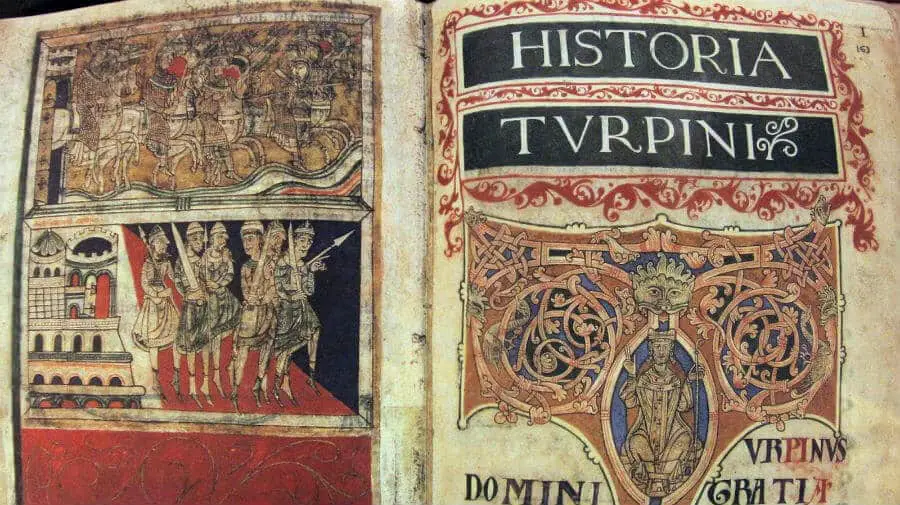
What does it contain and why is it so vital?
Written mainly in the middle of the 12th century In Latin, the Codex Calixtinus is a compilation of texts that claim to be the
(Book of James). It does not have a single author, but it is believed that it was a compilation promoted by the Compostela Church to strengthen the importance of Santiago as the center of Christianity.
The codex consists of five books and appendices, with varied and fascinating content:
- Book I: Liturgy. Liturgical texts, sermons and masses in honor of the Apostle.
- Book II: Miracles. Compilation of 22 miracles attributed to Santiago the Greater.
- Book III: Translation. It narrates the transfer of the Apostle's body from Jerusalem to Galicia.
- Book IV: Charlemagne. Historical-literary chronicles about the exploits of Charlemagne and the discovery of the tomb of Santiago.
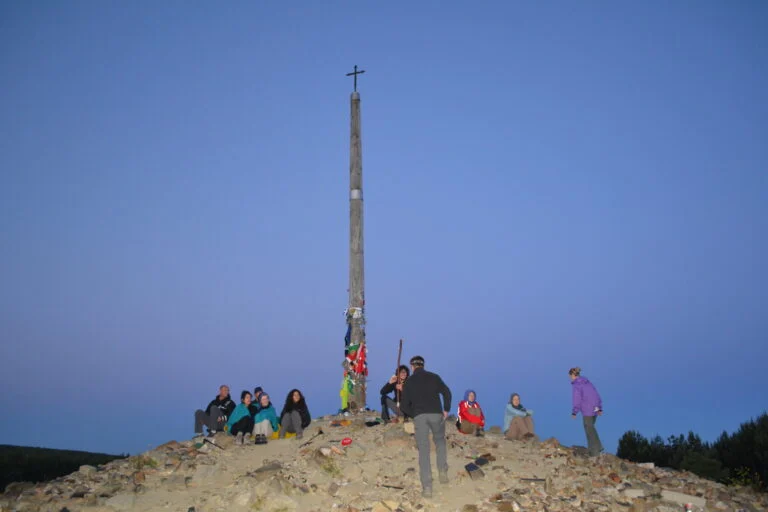
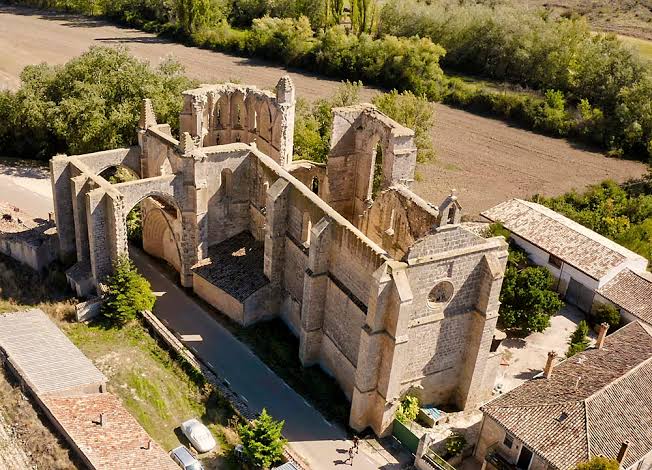
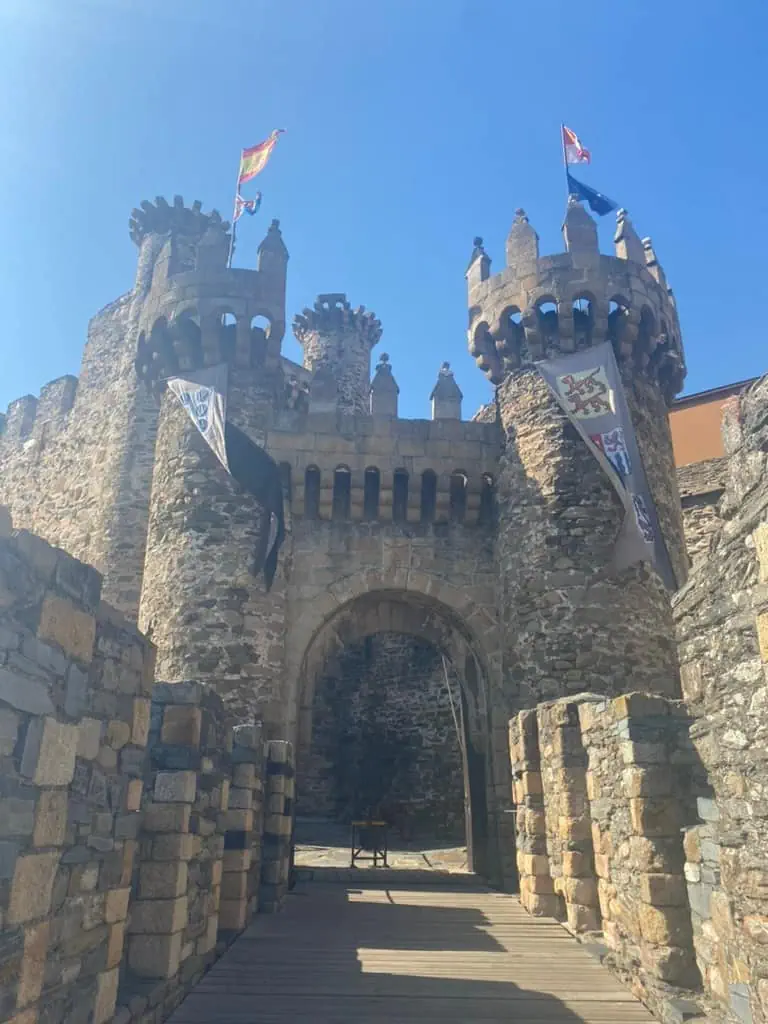
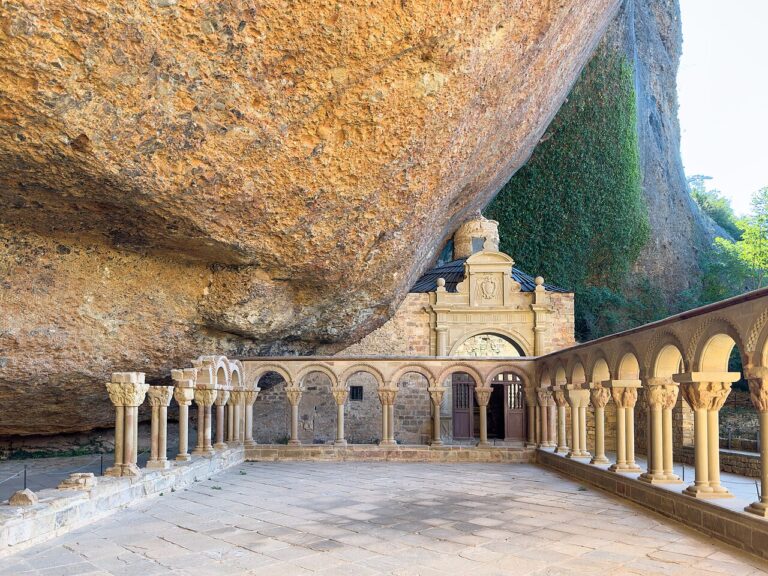
- Book V: The Pilgrim's Guide. This is the most famous and valuable book. It details the stages of the route from France to Compostela, offering practical advice on where to eat and spend the night, works of art to admire, and even warnings about local customs. It is the oldest tourist guide in Europe.
Additionally, the manuscript includes a musical appendix with polyphonic pieces, being a key source for medieval music.