Nuove ricerche confermano the importance of medieval hospitals
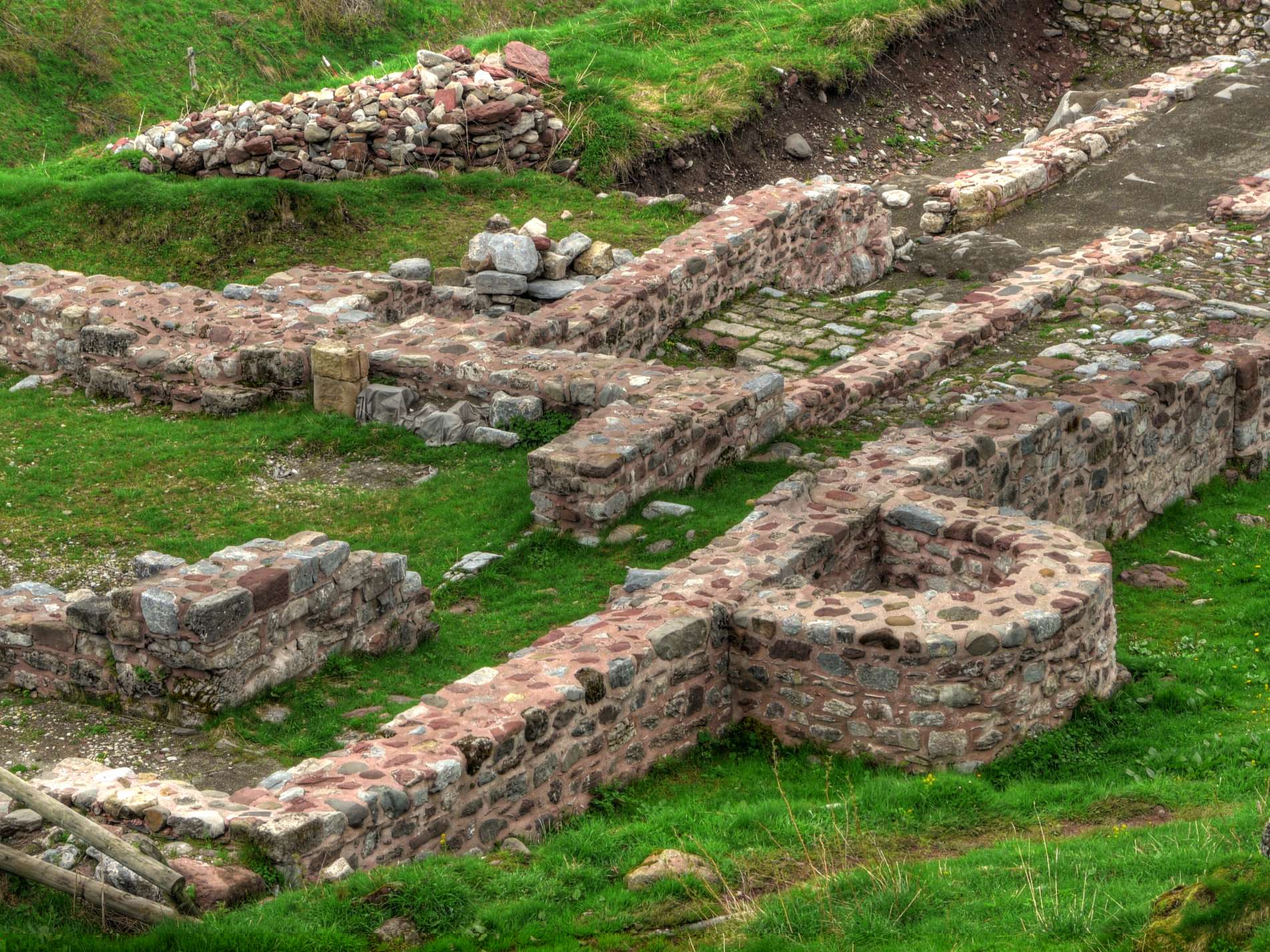
The Camino di Santiago continues to reveal new details on its past. In Galizia, recent lavori di ricerca e interventi archeologici legati alla conservazione del patrimony have been allowed to document and value the remains of ancient medieval “hospitals”, strutture fundamentali per l'accoglienza dei pellegrini longo la rotta.
Not if it is about an isolated scope, but about a continuous process of studying and recovering historic buildings that, per se, have created a central road in the area of road assistance.
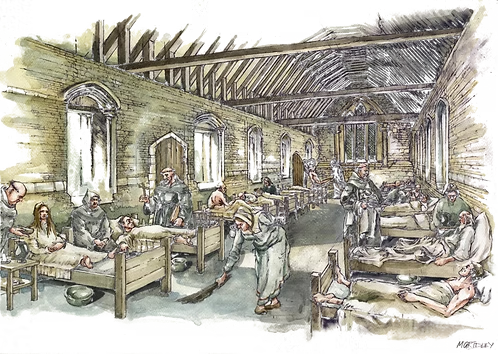
Gli “hospitals”: il cuore del Camino medievale
During the Middle Ages, the Camino de Santiago is not available if there are several chapels of hospitals, buildings and shelters.
Queste strutture offrivano:
- refuge per la notte
- assistenza ai malati
- cibo e aqua
- spiritual support
Many of these ospedali were managed by religious orders, confraternities and local institutions, and presented a point of essential reference for the people from all over Europe.
Galizia, point chiave della rete jacobea
The Galizia, the final destination of the Camino, concentrates a significant part of this historic structure.
In diverse localities there are stati documented remains or testimonies of ancient hospitals, especially integrated into the current urban text or transformed into the dry roads.
Tra gli esmpi più noti figurano edifici storici legati all'assistenza dei pellegrini, which are part of the cultural heritage of the region.
A historical legacy with Italy
The Camino di Santiago has always had an international dimension.
In the Middle Ages, many parts of Italy, following itineraries that crossed France and Spain, followed by Santiago de Compostela.
Documents storici e registri dell'epoca confirm the constant presence of Italian pellegrini longo il percorso, rendering the Way one of the main life of cultural and religious communication of medieval Europe.
Della ricerca alla valorizzazione
The current archaeological activities are not limited to the scope of the rest, but are covered by:
- I will document the existing structure
- keep him
- integrate it into the cultural percorsi of the Camino
In almost every case, this intervention allowed the rendering to be visible when it was not stati dimenticati or transformed in time.
The ospitalità as a central element
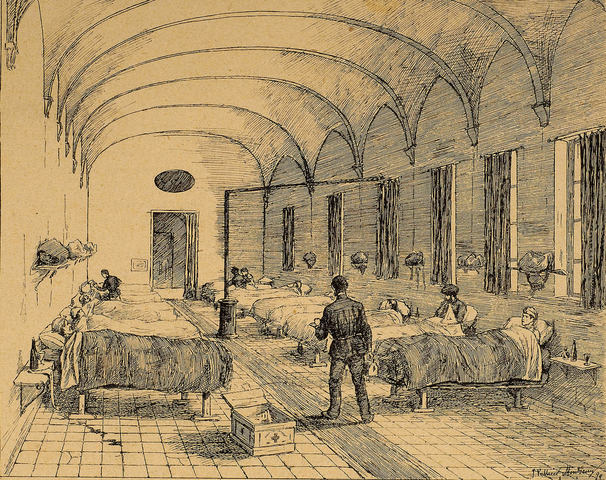
One of the most valuable aspects that emerge from this study is the fundamental road of the hospitals.
The Road was not just a journey, but a solid rete that guarantees assistance to the pellegrini in very difficult conditions.
This model, based on its compatibility and reciprocal action, is considered one of the main values of the Camino.
A heritage that continues to live
Even though medieval structures are not operational, the spirit lives on in neglect of current hostels and voluntary associations.
The modern accommodation system of the Camino has its own radii in this ancient institution.
History and contemporary experience
For the children's experience, you will know the essence of these hospitals that add a new dimension to the journey.
Not if it is just about walking, but I will understand the historical answer in which the Cammino is sviluppato.
Ogni tappa, ogni villaggio, ogni building can reveal a story that belongs to the dry lands of pellegrinaggio.
The Road through the past and the future
The ricerche in corso confirms that the Cammino of Santiago is a living heritage, in continuous evolution.
Da lato, la conservazione del passato.
Dall'altro, l'adattamento alle esigenze del presente.
Gli antichi “hospitals” rappresentano un ponte tra queste due dimensions.
A European eredità condivisa
The Camino di Santiago does not belong to a single country.
It is a common European heritage, built over time thanks to the contributions of people, communities and institutions of diverse nations.
The trace of medieval ospedali is not a concrete test.