The Caminho da Geira e dos Arrieiros is about to gain unexpected prominence among the pilgrims who leave from Braga on their way to Santiago de Compostela. Two 1,051 walkers who will begin their pilgrimage in the Portuguese city in 2026, 631 will follow this historic route, about 60% of the total.
For many years, calling the Portuguese Way meant thinking that it was automatically not on the Central route or, more recently, on the Coastal variant. But the Portuguese Jacobean reality is about to become much more diverse.
The latest data available show a particularly interesting trend in Braga. Among the pilgrims who come here or on their way during 2026, most of them do not choose the Central Portuguese route, but simply Caminho da Geira e dos Arrieiros.
Two 1,051 registered pilgrims sharing departure in Braga, 631 optam pela Geira, while 380 we will continue along Caminho Português Central. The rest follow other itineraries, such as the Caminho Miñoto Ribeiro or the Caminho de San Rosendo.
It is a significant difference for a journey that continues to be unrecognized for many international pilgrims.
An alternative that is beginning to stop being an alternative
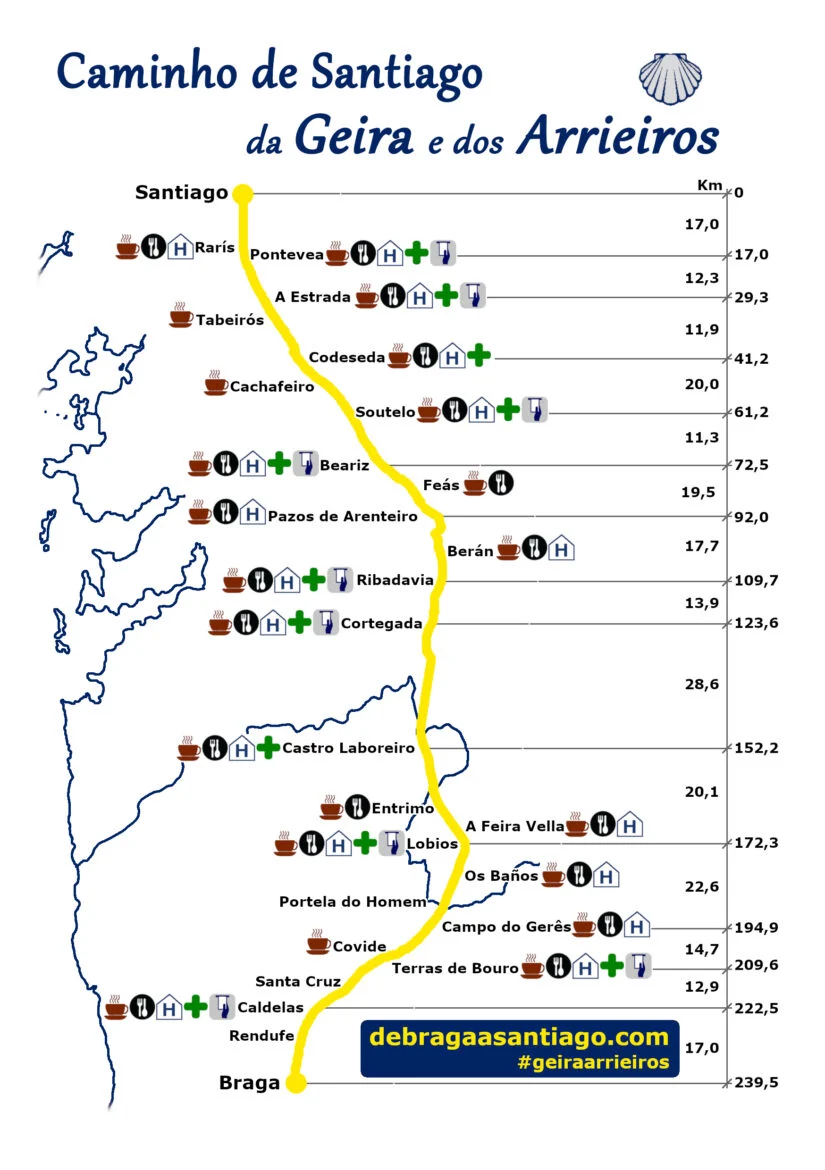
The Caminho da Geira e dos Arrieiros connects Braga to Santiago through a territory deeply marked by history.
The route takes advantage of ancient communication routes between Portugal and Galiza and crosses rural areas where the pilgrim finds a reality quite different from the one that exists in the most frequented Jacobean routes.
Here there are fewer multitudes, long pieces of nature, small towns and a very close relationship with the territory.
This combination seems to be conquering more and more pilgrims seeking a different experience.
The fact of six in each of the ten people who are currently starting the Caminho em Braga escolherem esta rota demonstra que já não we are perante uma simple Jacobean curiosity.
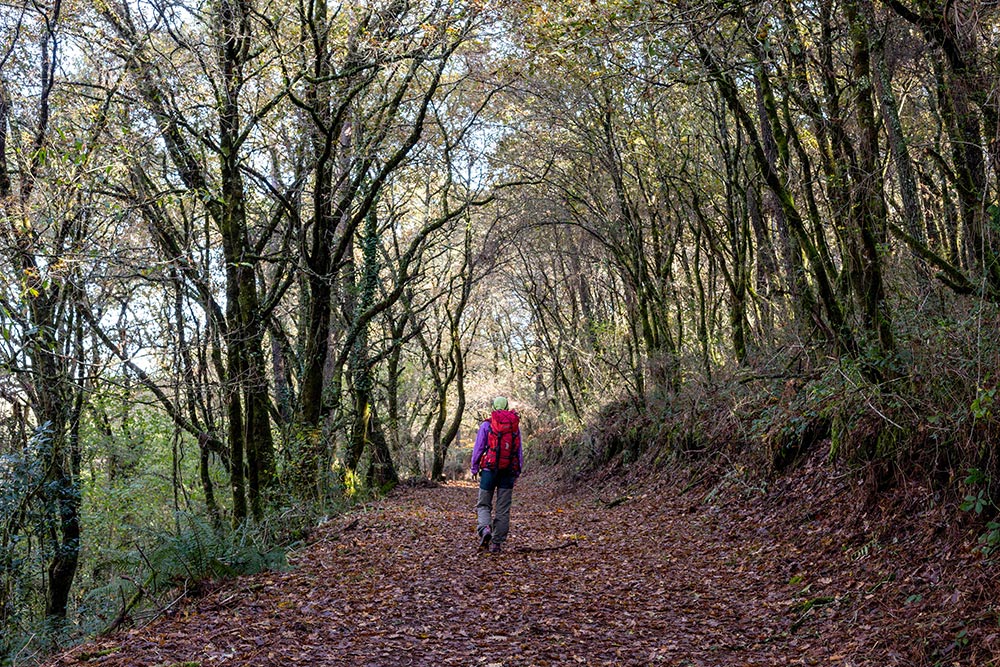
Braga gains importance as a starting point
Braga has all the necessary elements to consolidate itself as one of the great Portuguese ports for Santiago.
The city possesses an enormous religious heritage, a strong historical identity and a privileged location for those who intend to start a pilgrimage in northern Portugal.
For decades, Porto e Valença has concentrated a large part of the international attention related to the Portuguese Road. No entanto, or growth of other broken ones is to expand the map of games.
Braga begins to gain space among the pilgrims who seek more kilometers, more heritage and a less predictable experience.
631 pilgrims escolheram to Geira
The numbers help us understand the phenomenon.
Em 2026, 1,051 pilgrims leave Braga heading to Santiago.
Of these, 631 will continue along Caminho da Geira e dos Arrieiros, or equivalent to approximately 60%.
Others 380 opt for the Caminho Português Central, about 36%, while approximately 40 escolheram o Miñoto Ribeiro or the path related to San Rosendo.
It is especially significant that a route that is still relatively little known internationally manages to overcome the traditional Caminho Central among those who leave the city.
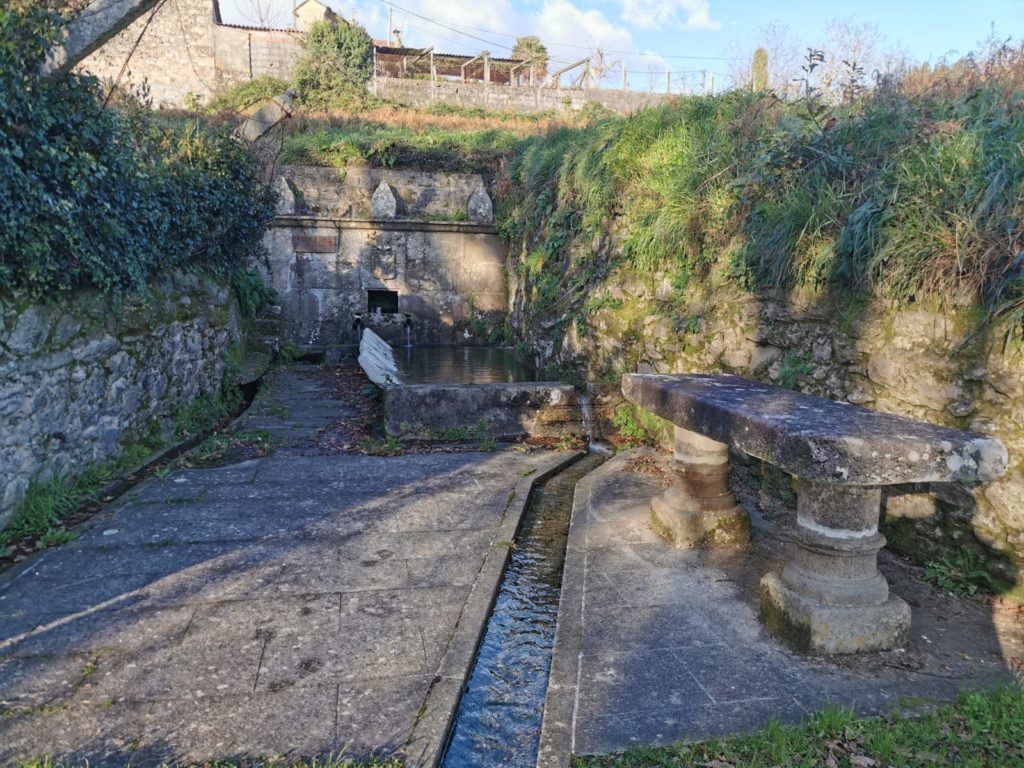
A road between Portugal and interior Galiza
After leaving Braga, Geira embarks on a pilgrimage through territories where the historical link between Portugal and Galiza becomes very evident.
The itinerary crosses natural landscapes, old roads, villages and inland areas before continuing through Galician territory in the direction of Santiago.
In Galiza, the route passes through areas such as A Estrada and Forcarei, covering two great Jacobean corridors and offering a different image of the Caminho.
For many pilgrims, precisely this sensation of discovery is one of their greatest attractions.
It's not just about getting to Santiago.
It is also about feeling that there are still paths where each stage preserves something unexpected.
Less pilgrims, more a more intimate experience
The growth does not mean that Geira currently has the levels of use of the French or Portuguese Coastal Roads.
It's very long disso.
And perhaps this is precisely one of the reasons why it began to arouse interest.
There are pilgrims who seek more and more routes where it is possible to walk for hours in large groups, talk to local inhabitants and discover small towns that still do not live exclusively in the function of the Caminho.
It is a different way of pilgrimage and a quest that begins to appear more and more in the Jacobean universe.
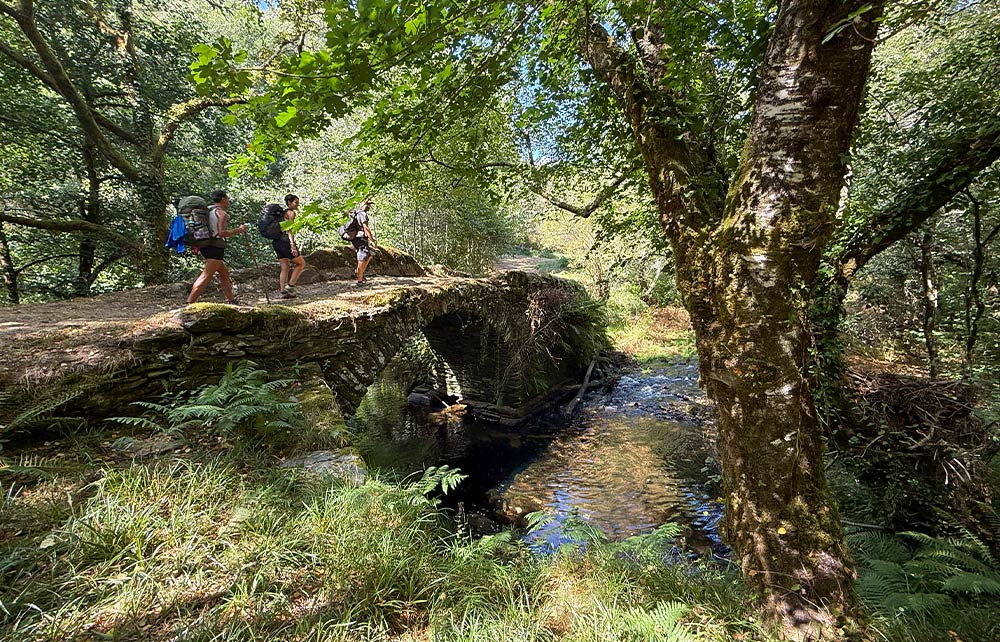
The challenge will be to grow without losing identity
The increase in the number of walkers also presents new challenges.
A broken road requires clear signage, accommodation, water points, up-to-date information and minimum services that allow pilgrims to walk safely.
But growth must be balanced.
The great value of itineraries like Geira is precisely in their authenticity, not in silence and in their close relationship with the territory.
Transforming even more broken, broken copies would be losing what makes you special.
The challenge for the coming years will be to improve services without destroying that identity.
The Portuguese Way is becoming more and more diverse
Braga's trend also confirms something that is about to happen in the entire universe of the Portuguese Road.
There is no such thing as just a broken one.
There is Caminho Central.
Or Caminho da Costa.
The Caminho da Geira e dos Arrieiros.
Or Miñoto Ribeiro.
Or Caminho de Torres.
And different historical itineraries that continue to be recovered and disseminated.
For the pilgrim, this means more possibilities of seeking an experience adapted to what he is looking for.
An opportunity to discover another Caminho
That part of Braga can decide between a more established option or a broken one that continues to preserve its very own personality.
And more and more people are choosing second class.
The 2026 numbers show that the Caminho da Geira e dos Arrieiros is about to stop being a secondary route and become an alternative with its own weight.
There are no large crowds.
Ainda does not appear in all the lists of the most popular paths.
But perhaps now is precisely the best time to discover.
Because some of the most interesting roads on the Camino de Santiago are those that begin to grow before everyone else knows them.