Did you know that near the Camino de Santiago to Fisterra there is an 18th century fortress associated with a mysterious cave and stories of secret passages? The Cardenal Castle, in Corcubión, was built to defend the estuary from possible maritime attacks. Today its military history coexists with an oral tradition that speaks of a submerged chain, a walled man and apparitions on stormy nights. It is important to distinguish the documented from the legendary: that is precisely the interest of this corner of the Costa da Morte.
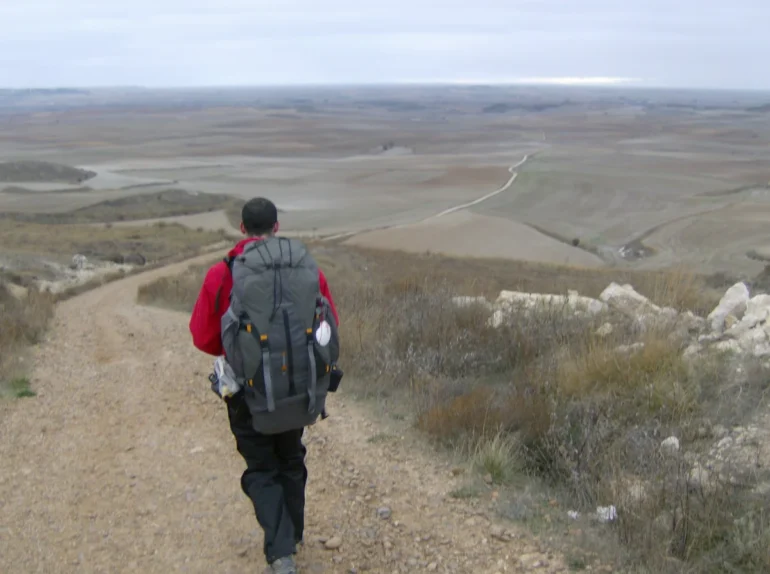
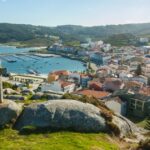
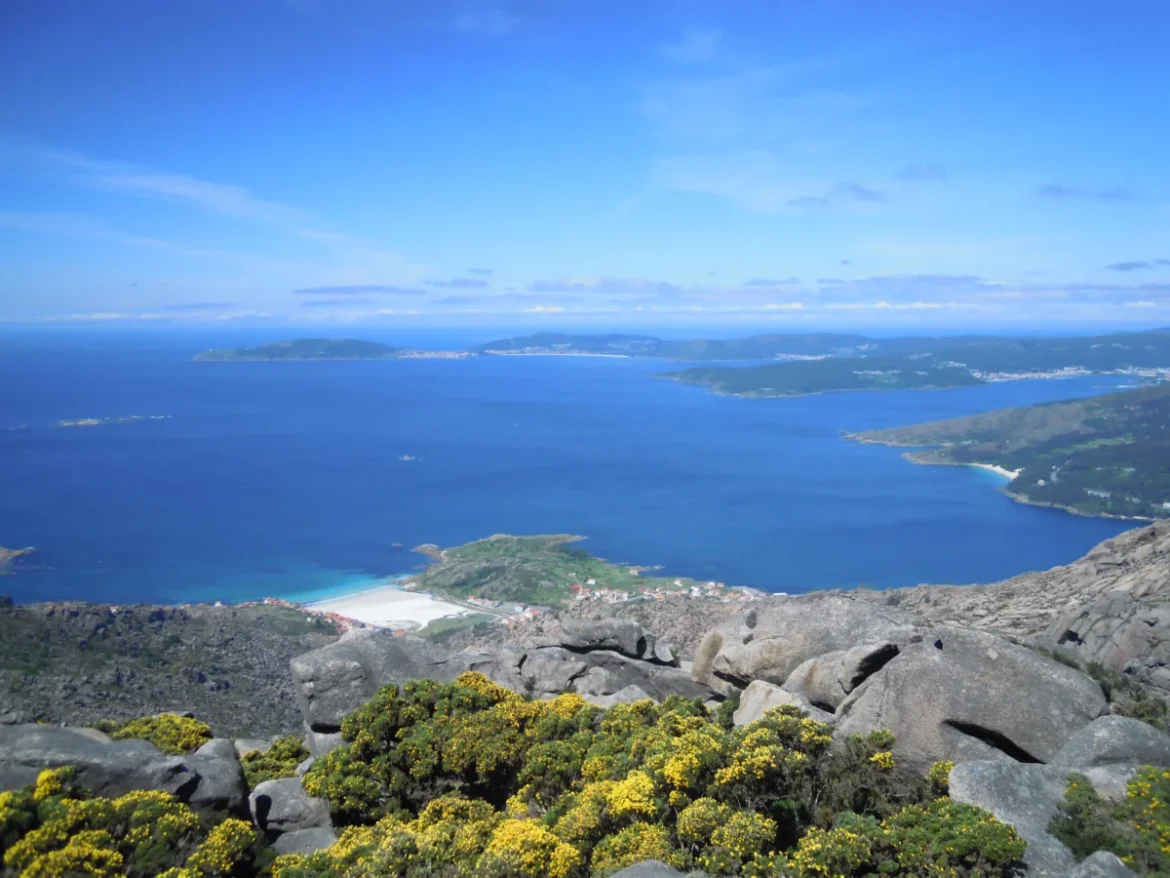
When the pilgrims descend towards Cee and Corcubión on their way to Fisterra, the Atlantic appears as one of the great protagonists of the landscape. Arrival at the coast is usually associated with the end of the stages, the port, the beaches and the horizon of the cape. However, this region also preserves a defensive heritage that helps explain how people lived in front of the sea before tourism was one of its most visible activities.
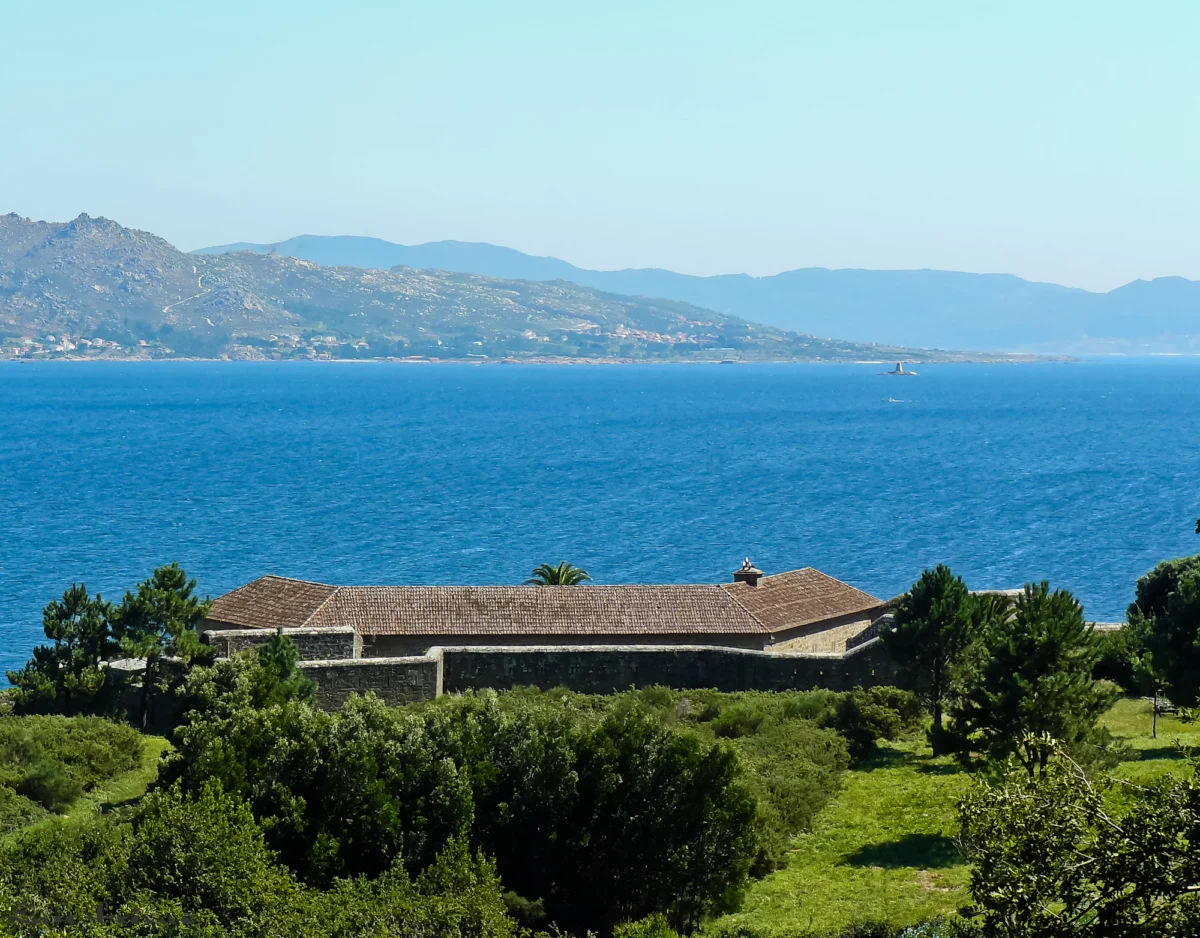
One of these buildings is the Cardenal Castle, located in the municipality of Corcubión. On the other side of the estuary is the Prince's Castle, which belongs to Cee. Both arose in a context in which protecting anchorages and controlling the entry of vessels was a strategic issue. The recent journalistic interest in the legends of the site offers a good opportunity to look with different eyes at a territory known to thousands of walkers.
Two fortresses to guard the Corcubión estuary
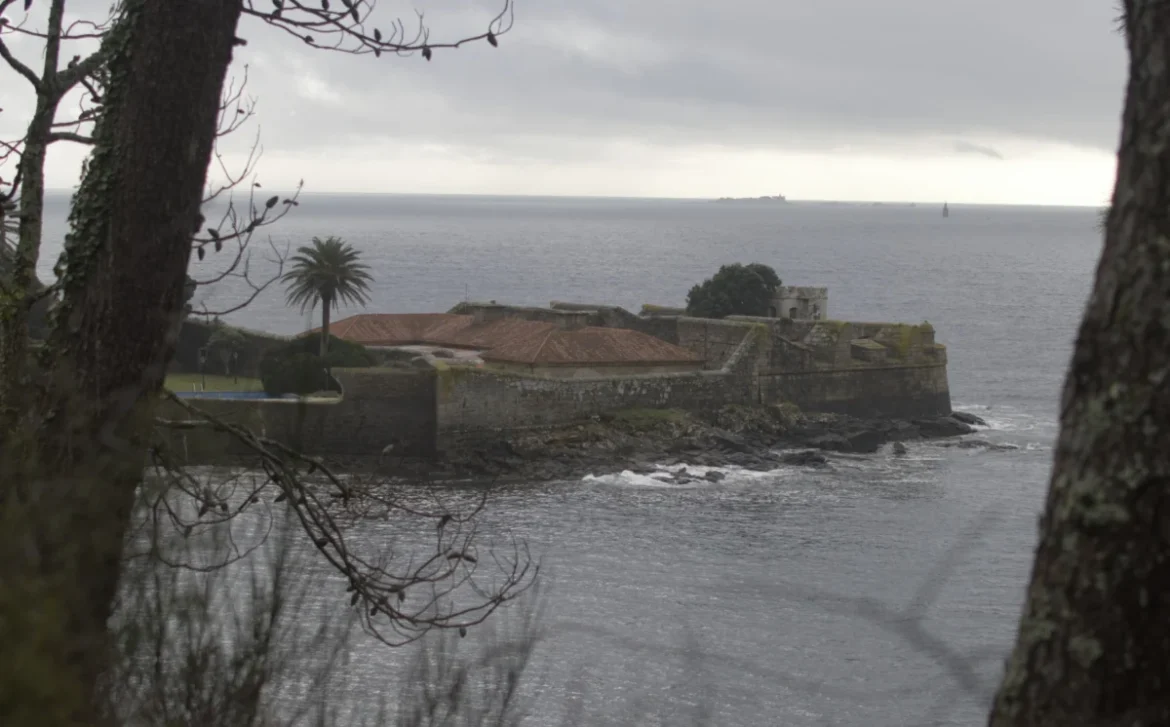
The Cardenal Castle was built during the 18th century, at a time of maritime tensions that led to the fortification of several points on the Galician coast. The choice of location was not accidental. From its position you could see the entrance to the estuary, while the Prince's Castle battery made it possible to complete a surveillance and defense device from the opposite bank.
The architecture responded to the needs of coastal artillery: thick walls, emplacements for cannons and outbuildings for a garrison. The heritage information released about the complex indicates that it once had twelve pieces of artillery and the capacity to house a contingent of soldiers. It was not a stately residence built to contemplate the landscape, but a military installation.
This defensive purpose provides a different perspective to the current image of the estuary. Merchant ships also circulated through the waters that fishing and pleasure boats travel today, and the threat of maritime incursions was part of the concerns of the inhabitants of the coast. The location of the fortresses allows us to understand why both places were associated in the local imagination.
The alleged chain that prevented ships from entering
One of the most repeated legends says that the castles were linked by a large iron chain stretched under water. According to popular legend, when an enemy ship appeared, that chain could be tightened to close the passage and make the batteries' fire more effective. It is a scene that seems written for an adventure novel, but it is part of the folklore of the estuary.
The existence and use of such a device should not be taken for granted just because the story has been passed down for generations. The joint function of the two fortresses does have a clear military explanation: their position allowed access to be protected by artillery. The chain, on the other hand, belongs to the field of traditional narratives that accompany local heritage.
This distinction matters especially when telling stories to pilgrims. Oral tradition is valuable in itself, because it reveals how a community remembers its past, interprets the landscape, and turns certain places into cultural references. It does not need to be presented as a proven historical record to be fascinating.
Don Liborio's Furna and the story of the walled man
The darkest episode of the legends of the Cardenal Castle takes place in a sea grotto known as A Furna de Don Liborio. The cave, under the cliffs in the area, is associated with stories of hidden galleries and underground connections with the fortress. Some versions even speak of bodies that would have been brought there from inside the premises.
The narrative says that, during some repairs carried out after the war episodes of 1809, some workers heard noises coming from a wall. Upon opening it, always according to legend, they discovered the remains of a man who had been locked up alive. The character is called Don Liborio and is described in different versions as someone condemned to a terrible death.
The story does not end with the supposed discovery. Local folklore adds that, on stormy nights, wailing is heard next to the grotto and an inexplicable light can be seen over the water. They are characteristic elements of the stories of ghosts that abound on the Galician coast. There is no reason to turn them into news about phenomena actually observed or about remains whose authenticity has not been accredited.
For the visitor interested in heritage, the true attraction is the coexistence between an identifiable physical place and a narrative that has accompanied it for a long time. La Furna de Don Liborio belongs to a marine and rugged environment, so its mention should not be interpreted as an invitation to explore cavities or go down cliffs without safety conditions.
A castle marked by war and the abandonment of military function
The history of the site includes documented events, far from fiction. During the War of Independence, in 1809, the area suffered military operations and the fortress was affected by the fighting. Local historical tradition remembers the damage and fires that compromised its interior rooms, which were later repaired.
With the evolution of naval technology and coastal defenses, this type of castles lost their original role. In the 20th century, the Cardenal Castle ended up being transformed into private property. Its current appearance preserves the imprint of military architecture, although subsequent interventions and uses are also part of the building's biography.
A practical fact for anyone who wants to visit it: the Cardenal Castle does not function as a monument open to the public with ordinary tourist access. It is important to respect private property and not confuse the historical interest of the enclave with permission to enter. Anyone who visits the area can get to know the heritage of Corcubión and its panoramic views from authorized public places.
What relationship does this mystery have with the Camino de Santiago?
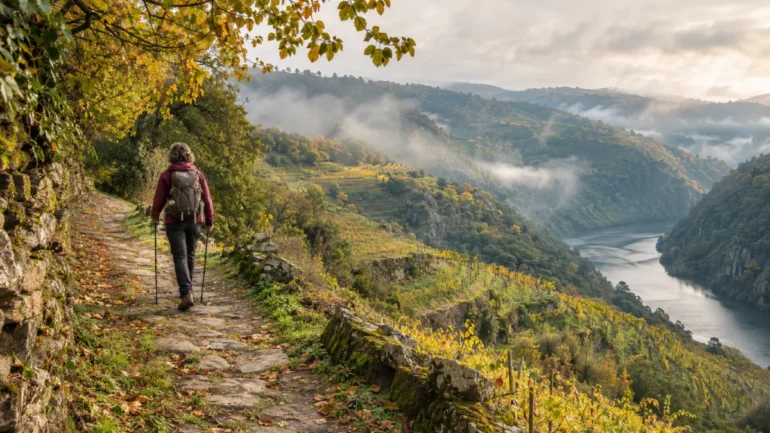
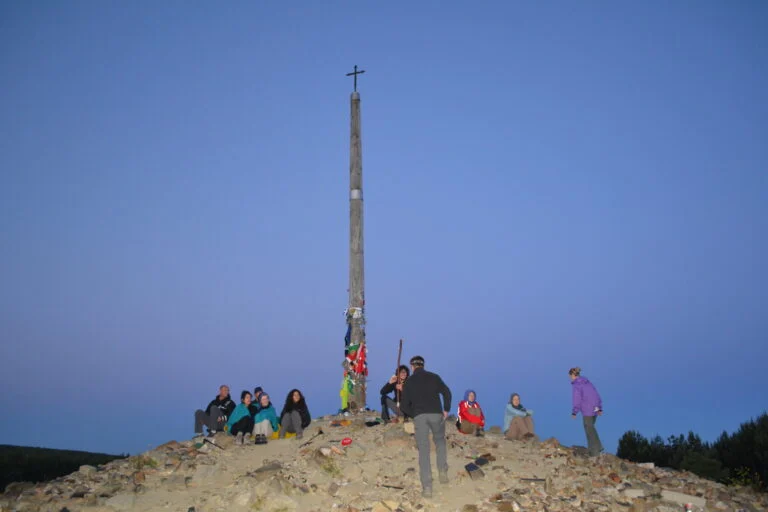
The Camino from Santiago to Fisterra crosses the municipalities of Cee and Corcubión and continues along the Costa da Morte. For many walkers, this part of the route represents a special transition: they leave the Galician interior behind and encounter the fishing villages, the churches and the stories born next to the Atlantic. The castle should not be confused with a mandatory stop or with a building located on the Jacobean signpost itself, but it is part of the heritage of the territory that the pilgrim travels through.
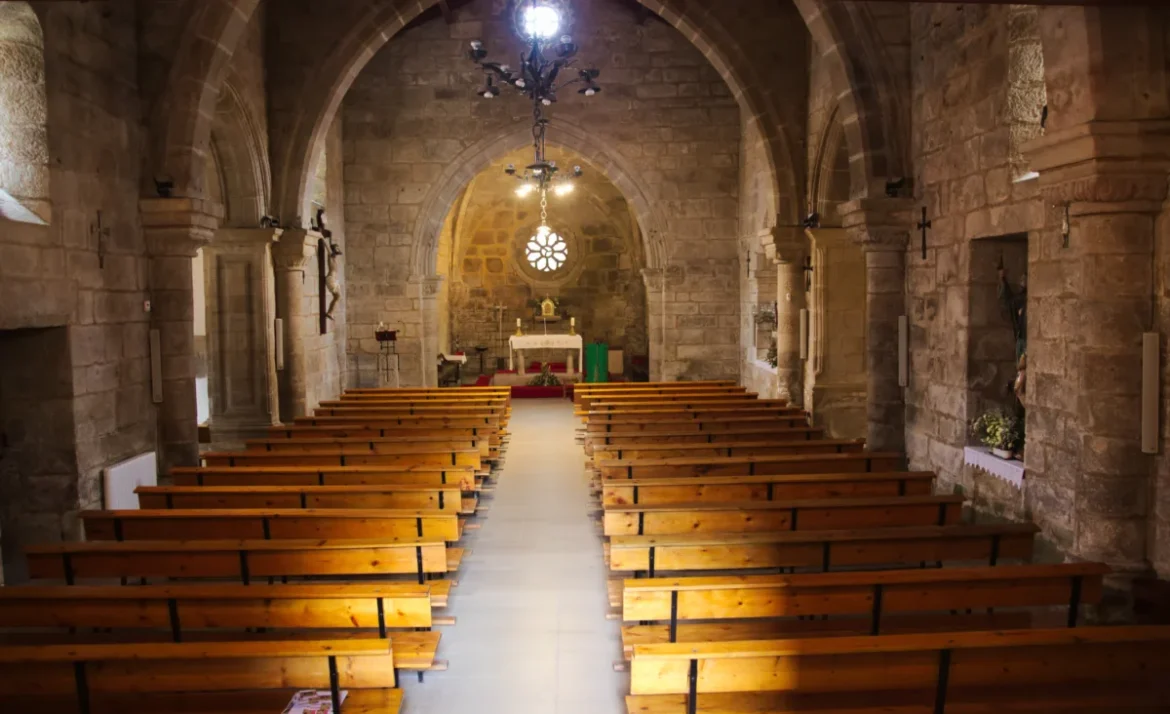
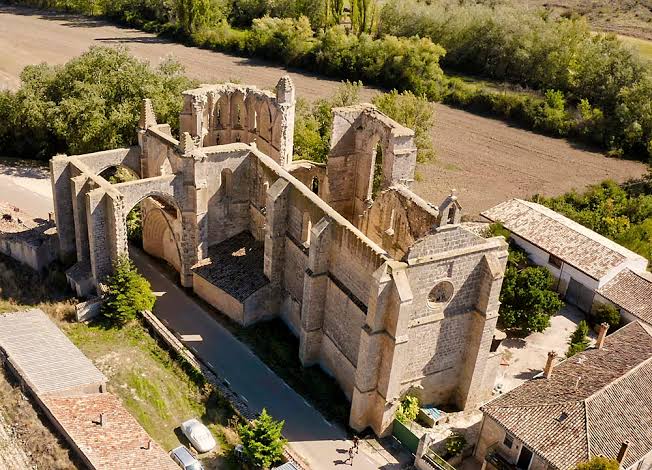
In Corcubión, the church of San Marcos and a historic center linked to maritime trade and port life also stand out. The proximity of Cee allows us to understand how both banks of the estuary were related. Those who walk with some time can find here a reason to stop, ask about local history and discover a different dimension of the trip.
RTV Camino de Santiago has reported on the safety improvements planned on the Camino de Fisterra and Muxía and about the Camino de los Faros and the coast that leads to Finisterre. They are two complementary ways of getting to know a landscape that goes far beyond the usual photography of the end of the world.
The recovery and dissemination of this heritage raises an interesting question: how many pilgrims pass through towns with centuries of history without getting to know the stories that the neighbors preserve? Listening to these stories, contrasting them and placing them in their context helps to enrich the experience without fabricating mysteries or altering the facts.
The Cardenal Castle reminds us that the Road to Fisterra does not end with a yellow arrow or a sunset. It also crosses a landscape full of maritime memory, fortifications and legends that deserve to be told with respect to history and those who have transmitted them.
Sources: The Debate (November 3, 2026); tourist and municipal heritage information of Corcubión; official information of the Fisterra-Muxía Way.