Logroño and Belém will make official their geminação agreement with a strong symbolic content: peace, coexistence, heritage, tourism and spirituality. Two very different cities, but united by a common characteristic — both are places of passage, encounter and pilgrimage.
Logroño, one of the most important cities on the French Way, and Belém, one of the two great religious destinations in the Christian world, will decide to officially establish their relationships.
The geminação agreement was assassinated on October 1 by the presidents of the two autonomous communities, Conrado Escobar, from Logroño, and Hanna Hanania, from Belém.
The initiative seeks to develop new cultural, social, educational, economic and tourist relations between the two cities.
But, for the pilgrim world, there is a particularly interesting element.
Both Logroño and Belém are cities marked by the movement of people, by faith, by history and by centuries of travelers.
Two cities linked by road
Logroño occupies a privileged position on Caminho de Santiago.
Every year, thousands of pilgrims cross the capital of La Rioja following the French Road in the direction of Compostela.
A city is a meeting point between cultures, languages and personal histories.
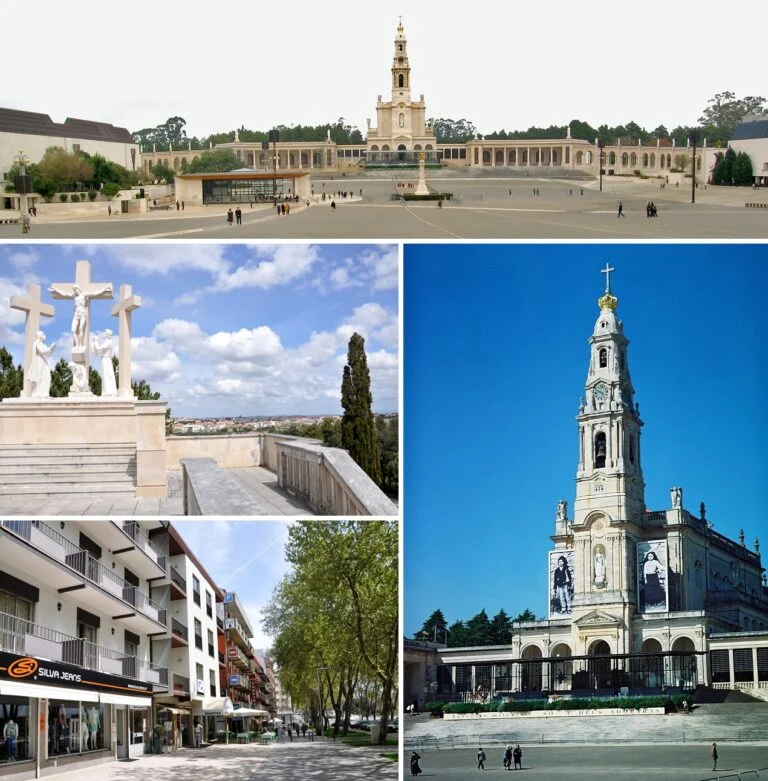
Belém, in turn, is one of the two most symbolic places of Christianity.
Traditionally identified as the birthplace of Jesus, it welcomes pilgrims and visitors from all over the world.
This condition of passage and pilgrimage cities was one of two prominent elements during the encounter between the two delegations.
An olive grove as a symbol of unity
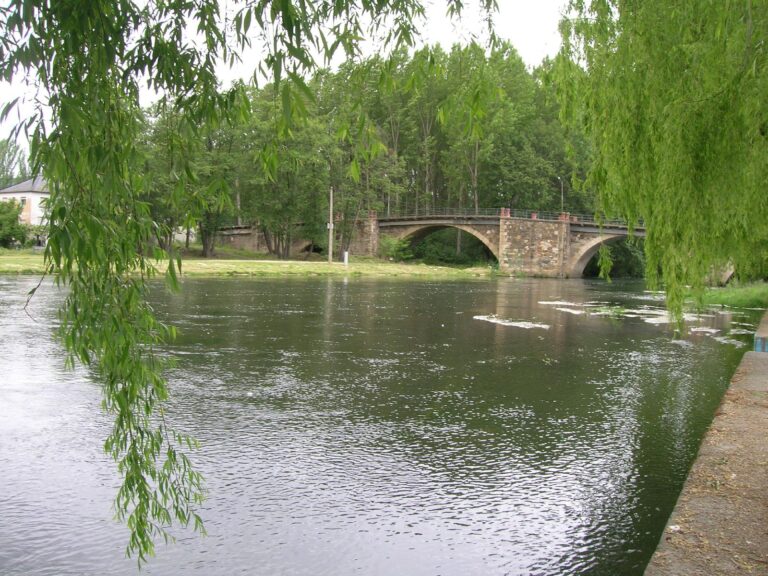
Before the formal signing of the agreement, both cities will participate in a symbolic gesture along the Ebro River.
An olive tree was planted as a representation of peace, cooperation and coexistence.
Children and young people, representatives of the scout movement, members of social organizations and religious representatives will also participate.
Oliveira reinforced the symbolic dimension of a relationship that aims to go beyond a simple institutional agreement.
Heritage and religious tourism
The twinning agreement also provides for the exchange of experiences related to the conservation and promotion of cultural and historical heritage.
This point may be of special interest in the development of religious tourism.
Logroño has the best economic, cultural and social impact that a pilgrimage tour can generate in a territory.
Belém, on the other hand, has a religious heritage of international dimension.
The collaboration between the two can open doors to new projects, exchanges and strategies aimed at promoting forms of tourism more linked to culture, history and spirituality.
Or Caminho de Santiago as an example
For Logroño, the Caminho de Santiago is part of everyday life.
Pilgrims cross its streets, visit churches, use accommodation and live like the inhabitants of the city.
This accumulated experience can be useful in future exchange initiatives with Belém.
Managing two flows of visitors, preserving heritage, hospitality and creating cultural experiences are challenges common to many religious destinations.
A relationship designed to last
Geminação is not limited to tourism.
It also includes educational collaboration, school exchanges, social projects, promotion of intercultural dialogue and technical cooperation between the two autonomous communities.
The intention is to create a stable and progressive relationship.
From Jacob's point of view, this connection has a special force.
Logroño represents one of the great cities along the Caminho de Santiago passage.
Belém represents two great universal destinations of Christian pilgrimage.
Two different realities, more united by the same idea:
Travel is a way of encounter between people, cultures and beliefs.