
Unwritten rules of the Camino de Santiago: respect, coexistence and common sense in hostels and stages
The Camino de Santiago is based on more than just stages and kilometers. Coexistence, especially in hostels and shared spaces, requires respect and small rules that, although not always written, are part of the pilgrim's culture.
These rules are born from the experience of thousands of walkers and help everyone to rest, walk and enjoy the Camino in better conditions.
Rest is part of the Camino
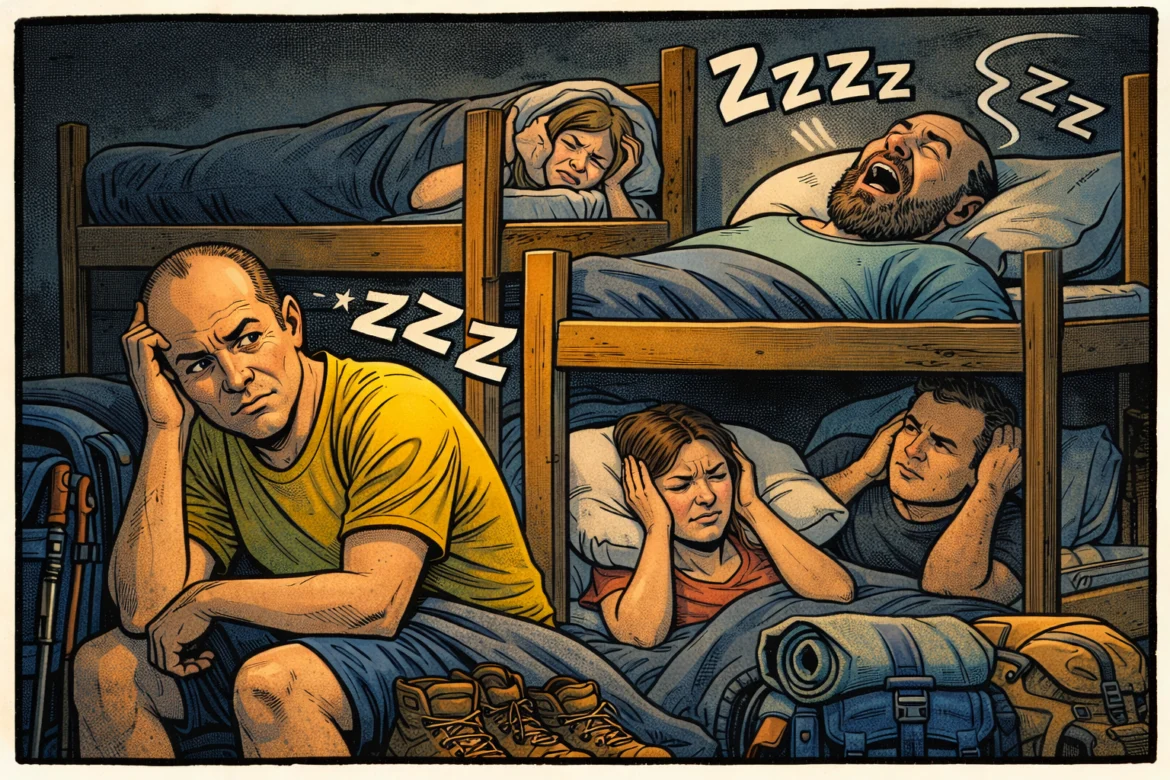
One of the most important aspects in hostels is rest. Many pilgrims get up early to avoid the heat or to walk quietly, but that doesn't mean anything goes.
Packing your backpack at five in the morning making noise, using plastic bags that constantly creak, or turning on lights unnecessarily are gestures that can disturb those who are still sleeping. For this reason, many veteran pilgrims recommend leaving the backpack prepared the night before and using cloth bags or organizing the equipment carefully.
Respecting silence during the night and the early hours of the day is one of the most valued rules on the Camino.
Respect the schedules and work of hospital workers
Hostels have opening, closing and cleaning times that must be respected. The hospitaleros, in many cases volunteers, work to ensure that everything works correctly and so that the pilgrims find a clean and welcoming space.
Respecting departure times, leaving the bed up and keeping common spaces in good condition are simple gestures that help everyone. The hostel is a shared place, not a hotel, and the responsibility is also shared.
Caring for common spaces

Kitchens, bathrooms and rest areas require attention from everyone. Washing utensils after using them, not taking up more space than necessary and maintaining order are small actions that facilitate coexistence.
The Camino teaches to live with the essentials, and that also means learning to live together in spaces where many people share the same place.
Respect on the Camino is also walked
Respect doesn't end at the shelter. It is also part of the Camino in the stages. Each pilgrim walks at his own pace, and it is important not to pressure others or take up the entire trail when walking in a group.
A greeting, a word of encouragement or specific help are part of the essence of the Camino and help maintain the atmosphere of camaraderie that characterizes it.
The backpack is also heavy in coexistence
The Camino teaches to be aware of others. Sometimes small gestures are enough: lowering your voice at night, using headphones, avoiding long calls in bedrooms or picking up clothes from the clothesline when they are dry.
They are simple details, but they make the difference between a difficult coexistence and a pleasant experience for everyone.
A way to understand the Camino
The Camino de Santiago is not just a route; It is also a way to live together for days or weeks with people from different countries, ages and ways of thinking. This coexistence works because there is mutual respect that is not always written in official rules, but that everyone ends up learning.
In the end, walking towards Santiago also means learning to share space, silence and time with others. And that learning, for many pilgrims, is one of the most valuable lessons of the Camino.

The Camino de Santiago has a "code of honor" that you won't see in any official brochure, but it defines who is a true pilgrim and who is a "backpack tourist." If you are thinking of visiting it (or setting up a business nearby), knowing these rules will give you a lot of respect among the community:
1. The Sacred Greeting
Never say "hello" or "good morning." The official greeting is «Buen Camino!». It is said to everyone: those you pass, those coming from ahead and the neighbors who are sitting at the door of their house. It is a way of recognizing that we all share the same effort.
2. The Law of the Hostel (Silence)
- 10:00 p.m. are sacred: At that time the lights go out and absolute silence is observed.
- The flashlight technique: If you get up at 5:00 am to avoid the heat, it is forbidden to turn on the general light. Use a headlamp (or the one from your cell phone) and never shine it on the faces of those who are sleeping.
- The noise of plastic: There is nothing a pilgrim hates more than the sound of someone packing a backpack with plastic bags at 6 in the morning. Tip: leave everything prepared the night before.
3. Boots stay out
Never, under any circumstances, enter the dormitories or common areas of a hostel with your boots on. They are left at the entrance or on specific shelves. It is for hygiene and respect for other people's rest.
4. “Priority” in the Public Shelter
There is an arrival hierarchy to get a bed in the Xunta or municipal hostels:
- Pilgrims on foot with physical limitations.
- Pilgrims on foot (the "authentic").
- Pilgrims on horseback.
- Bicigrinos (cyclists).
- Support cars (these are usually prohibited from accessing public shelters).
5. Do not judge the path of others
There is a golden rule: "Each one makes his own way".
- Don't criticize the one who has a support car.
- Do not judge the one who sends his backpack by transport (the famous "Paq Backpack").
- Don't brag about how many kilometers you do a day. The Camino is not a competition, it is an introspection.
6. The “Spirit of Help”
If you see someone sitting on a rock looking at their feet, you stop and ask if it's okay. On the Camino, today you help with a dressing for a blister and tomorrow someone helps you when you lack water.