



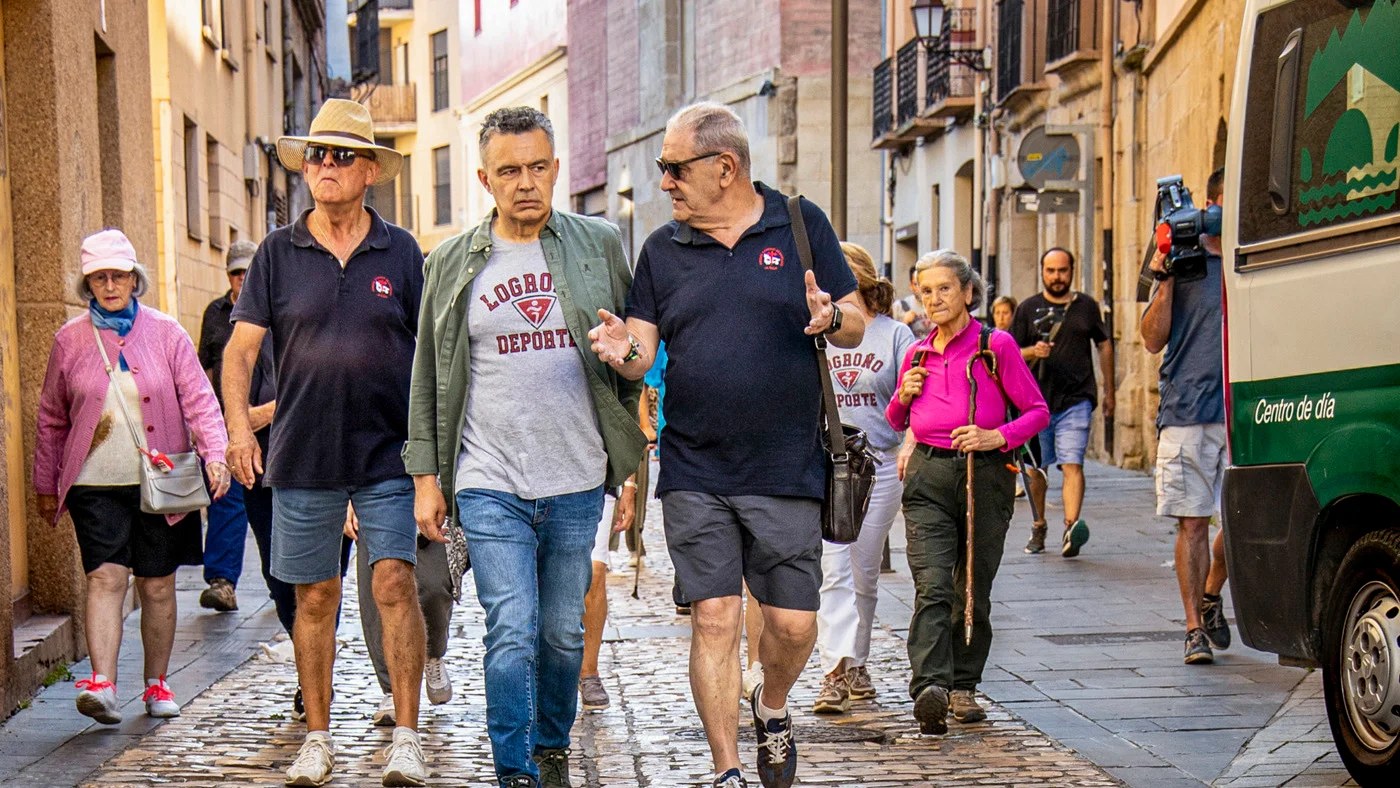
They denounce that political decisions put the traditional model at risk
The Camino de Santiago once again experiences one of those situations that set off all the alarms. The Rioja Association of Friends of the Camino has publicly warned of something that until recently seemed unthinkable: its possible disappearance.
And it is not an exaggeration.
The group, with more than 40 years of history and one of the pillars of the Camino in La Rioja, ensures that the decisions made in Logroño can put an end to the traditional reception model that has worked for decades.
It is not just a hostel, it is the heart of the Camino
The conflict revolves around the Logroño municipal shelter, managed for more than 30 years by volunteers.
A clear model:
👉 pilgrims welcoming pilgrims
Non-profit.
No commercial interests.
Without unnecessary bureaucracy.
A model that, according to the association itself, has been a reference throughout the Camino.
Now, that system is in danger.
The City Council has decided to promote a new management model through public adjudication, something that the association considers a radical change that breaks with the essence of the Camino.
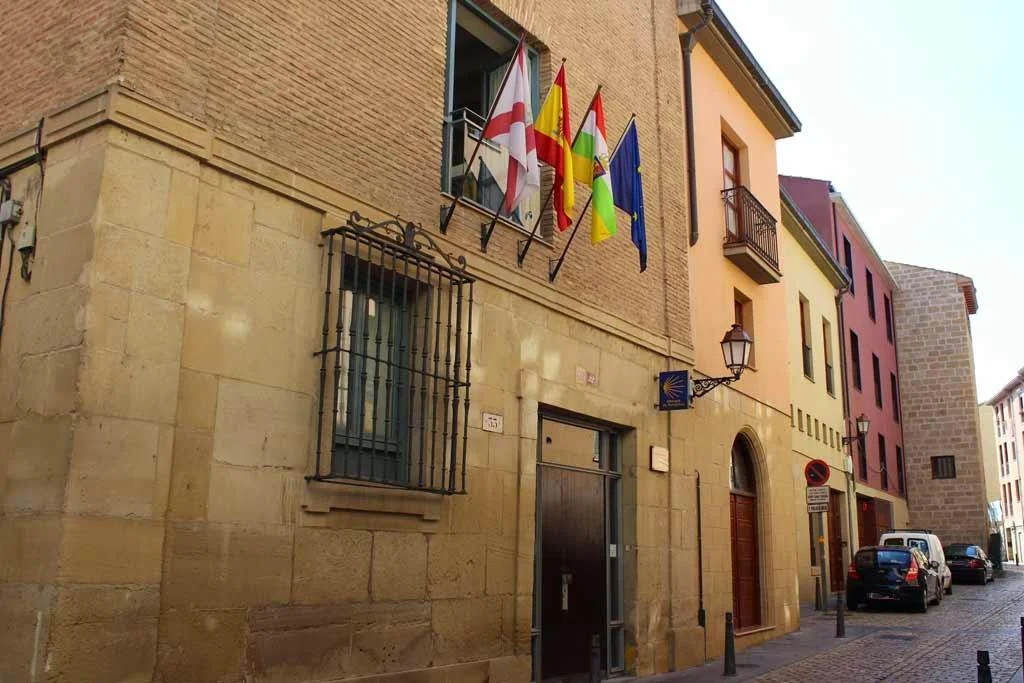
“We don't understand what they are looking for”
The association's message is direct and unusual in this type of group.
They not only criticize the decision... they question the substance.
They affirm that they cannot understand what objectives the City Council is pursuing with this change, pointing out that the criteria of the new model do not reinforce the system that has worked for decades.
And this is where the news becomes more serious.
Because it's not just about changing management...
It is about changing a model of the Way.
The real risk: disappearing
The warning is clear.
The hostel is not just a service. It is the axis of activity of the association.
If they lose that management:
👉 lose their function
👉 they lose their meaning
👉 and they can disappear
This is how they have expressed it: weakening that bond can have direct consequences on its continuity as an entity.
It's not a complaint.
It's a warning.
The worst possible moment
Added to all this is an even more controversial decision: the closure of the hostel for a month... in the middle of high season.
With dozens of pilgrims arriving every day, Logroño is left without its main public reception point.
No clear alternative.
Without sufficient planning.
The association itself has had to act on its own, notifying pilgrims in previous stages to prevent them from arriving without knowing that there is no accommodation.
A dangerous precedent
What is most worrying is not just Logroño.
It is the precedent.
From the association they say it bluntly:
👉 If this model falls here... it can fall elsewhere
And that completely changes the Camino.
Because the Camino is not just signs and stages.
It's hospitality.
It's volunteering.
It is identity.
30 years of history at risk
For more than three decades, this model has worked.
It has been recognized.
Valued by pilgrims.
Supported by people who did not get paid for it.
And now, on its 40th anniversary, the association finds itself in a situation that they describe as “difficult to understand.”
What should be a source of pride... becomes uncertainty.
The Camino at a turning point
This situation reflects something deeper.
The Camino de Santiago is changing.
More tourism.
More money.
More institutional pressure.
And less space, in some cases, for the traditional model.
An uncomfortable question
The controversy leaves a clear question:
👉 Is the Camino being managed as a product… or as an experience?
Because if the reception model is lost...
an essential part of the Camino is lost.
And that cannot be recovered with money.

















