

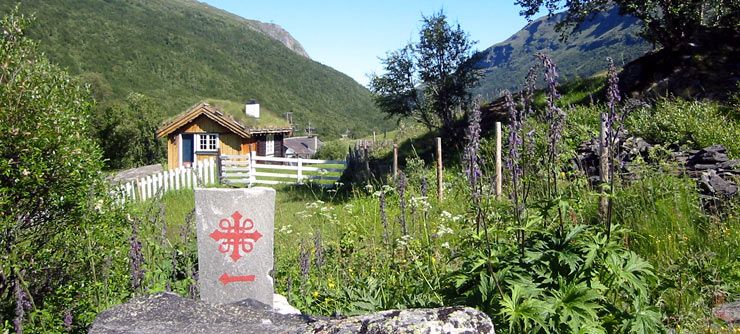
Norway and Spain connect their paths to San Olav and Santiago in a spiritual, cultural and European alliance
Europe was built by walking. Long before borders, flags or treaties, pilgrims were already weaving a network of paths that united peoples, cultures and beliefs. In that common spirit, the St. Olav's Path and the Camino de Santiago They emerge today as two great sister routes that, from the north and south of the continent, meet again in the 21st century.
Both paths, separated by thousands of kilometers, share the same essence: walking as an act of faith, an inner search and an encounter between people. And there are more and more initiatives that seek bring the Camino de San Olav closer to the Jacobean universe, creating symbolic, cultural and tourist bridges between Norway and Spain.
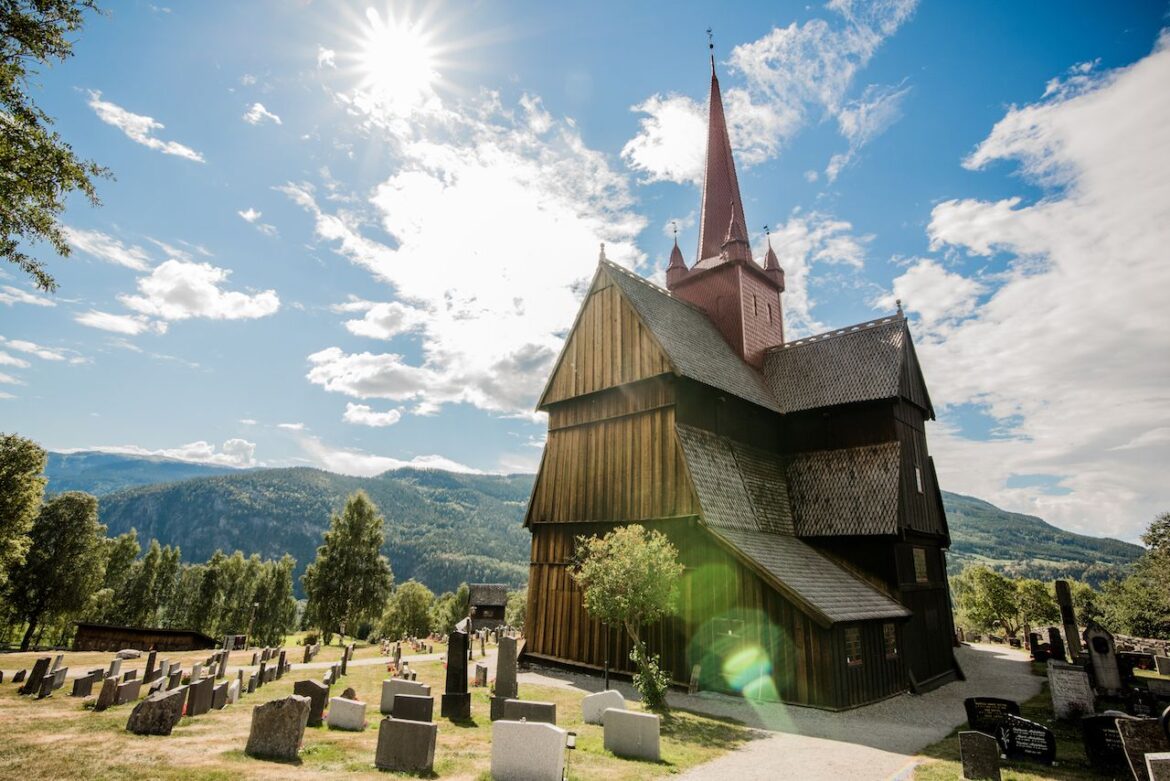
The Way of Saint Olav: the great pilgrimage of northern Europe
The Road of Saint Olav leads to the city of Trondheim, ancient Nidaros, where the tomb of King Olaf II Haraldsson is located, canonized after his death in 1030. Like Santiago, Trondheim was during the Middle Ages one of the great centers of Christian pilgrimage in Europe.
The Saint Olav routes cross Norway, Sweden and Denmark, traveling through landscapes of overwhelming beauty: fjords, endless forests, mountains and small towns where hospitality remains part of the journey. Today, these routes are grouped under the name of St. Olav Ways, a perfectly signposted network and in the process of international revitalization.
Santiago and San Olav: common roots, shared spirit
Although geographically distant, the Camino de Santiago and the Camino de San Olav were born in the same historical context: medieval Christian Europe. Both roads were cultural, commercial and spiritual arteries, through which ideas, languages, art and knowledge circulated.
The pilgrim then—like the pilgrim now—was not walking only toward a physical goal, but toward a personal transformation. Today, that experience is still alive both on the Galician trails and on the Scandinavian roads.
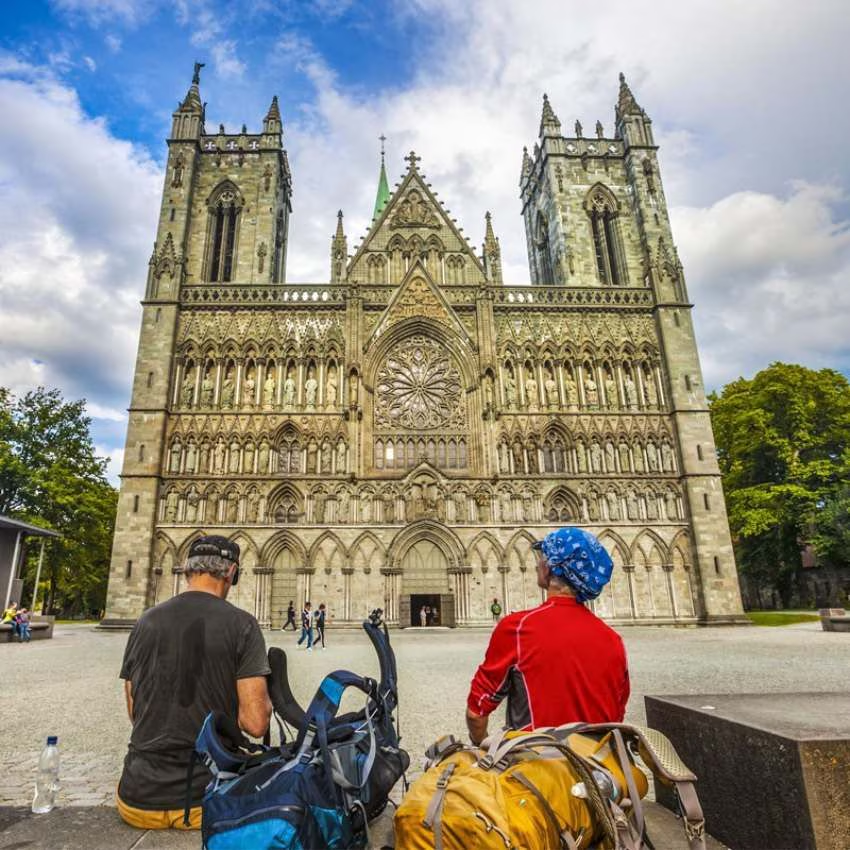
A dialogue between northern and southern Europe
In recent years, cultural institutions, pilgrim associations and tourist organizations have begun to strengthen the relationship between both paths, promoting exchanges, joint projects and mutual recognition of credentials. The idea is clear: not compete, but complement each other.
For many European pilgrims, the Camino de Santiago is the beginning or the end of a vital journey of pilgrimage that can continue in the north, following in the footsteps of Saint Olav. And for Scandinavian pilgrims, Santiago represents the culmination of a spiritual journey that crosses all of Europe.
An opportunity for the future of the Camino
In a context marked by Xacobeo 2027, this connection becomes even more relevant. The symbolic union between the Camino de San Olav and the Camino de Santiago reinforces the idea of a Europe united by culture, heritage and slow, sustainable and conscious walking.
Furthermore, this twinning opens new opportunities:
- Cultural exchange between territories
- Responsible tourism promotion
- New international pilgrimage routes
- Attraction of pilgrims from northern Europe to Spain and vice versa
Walking Europe, today more than ever
The Camino de San Olav and the Camino de Santiago are not just historical routes. Are two ways of understanding Europe, two paths that remind us that, despite the distances, we share the same past and the same desire to move forward by walking.
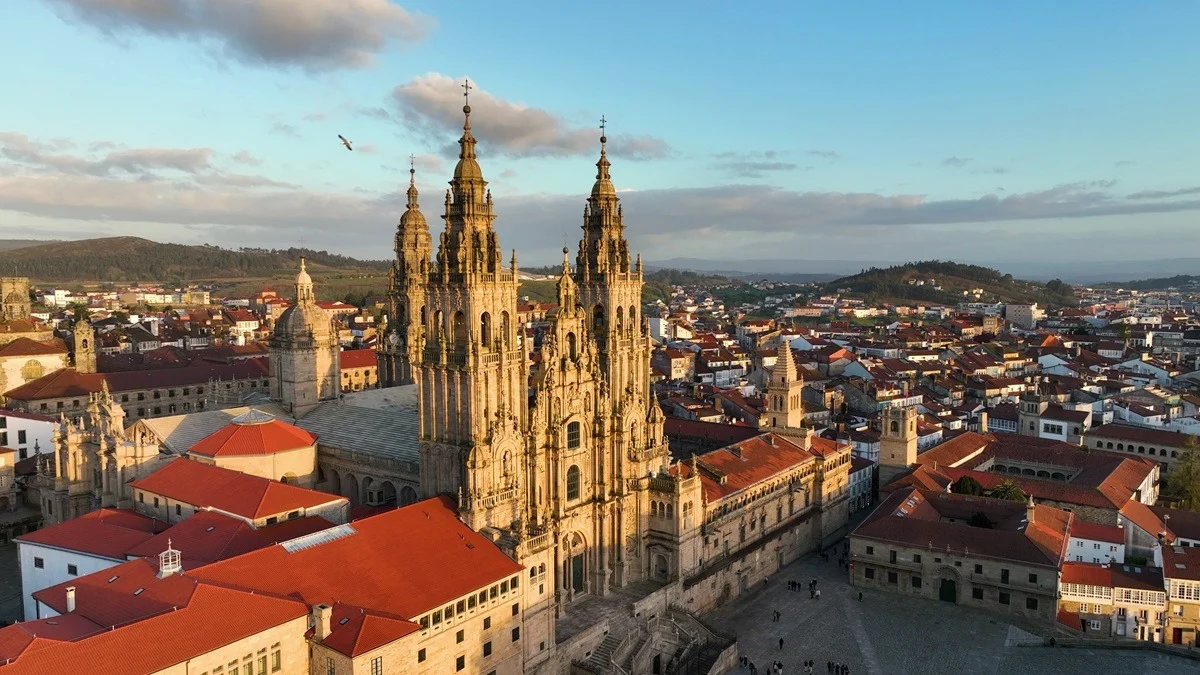
From the Norwegian fjords to the Galician squares, the pilgrim remains the same: someone who walks slowly to better understand the world... and himself.
Because all the paths that truly transform, in the end, they always end up finding each other.