



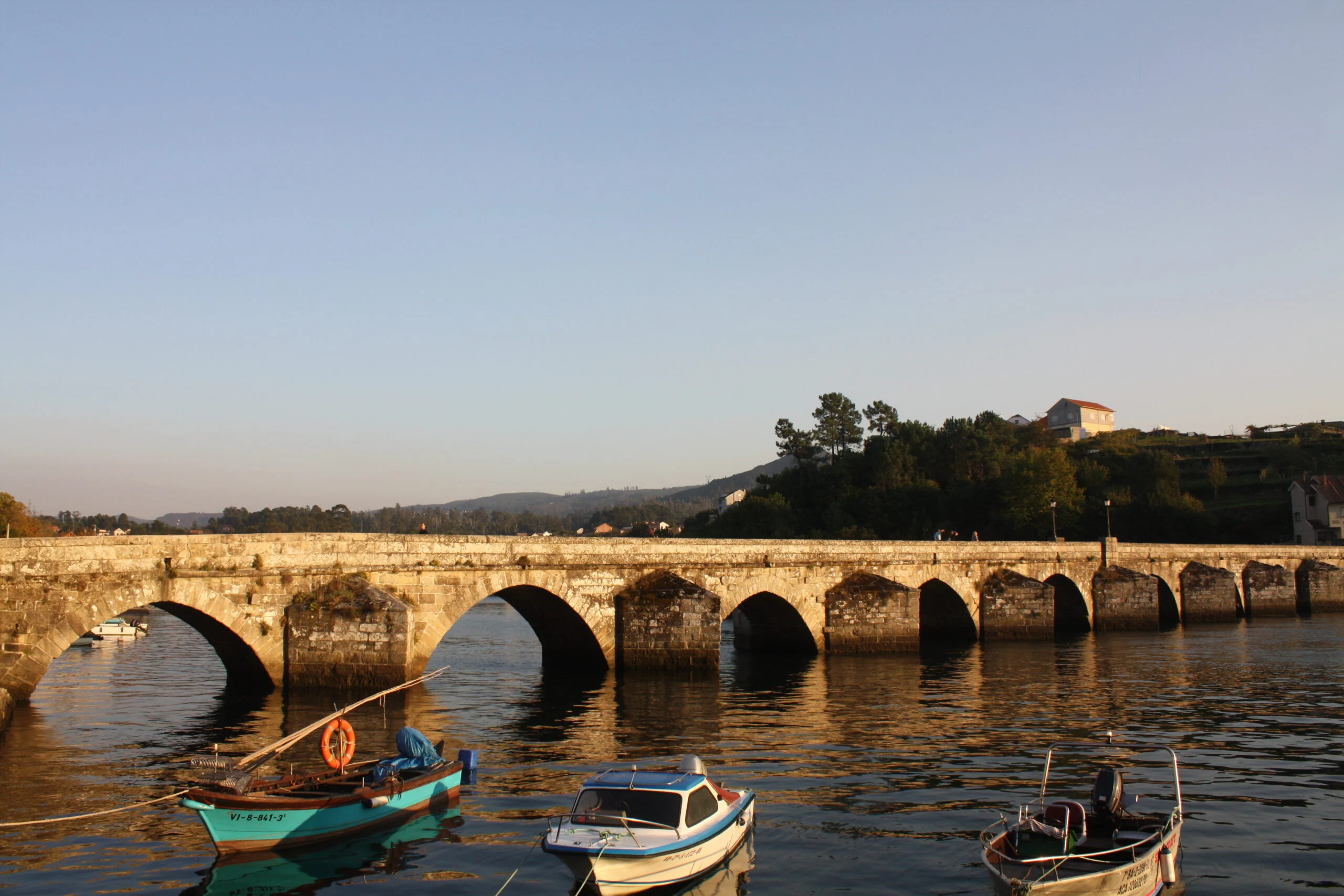
More and more pilgrims are embarking on the Camino for the first time, but choosing the right route can make the difference between enjoying the experience... or suffering from it from the first day.
The Camino de Santiago continues to gain popularity in 2026, and with this the number of people who decide to experience it for the first time also increases. However, one of the most important, and often underrated, decisions is choosing the right starting route. Not all paths are equal, and starting on one that is too demanding can turn a wonderful experience into an unnecessarily tough challenge.
Many beginners get carried away by spectacular images or stories that talk about extreme improvement, without taking into account their own physical preparation or the time they have available. This usually leads to stages that are too long, accumulated fatigue and even injuries that force you to give up early. For this reason, more and more experts agree that starting on an accessible route does not mean experiencing the Camino less, but quite the opposite: it allows you to enjoy it from the first step.

Among the most recommended options to get started, the French Way from Sarria, which offers an ideal distance to complete the last hundred kilometers to Santiago in about five or six days. It is a very well signposted route, with abundant services and a constant atmosphere of pilgrims that makes adaptation easier. Another highly valued alternative is the Camino Portugues from Tui, which combines varied landscapes, less crowding and moderate difficulty, perfect for those looking for a quieter experience without giving up the essence of the Camino. The Camino Inglés has also become a very interesting option, especially for those who have less time, since it allows you to live a complete experience in fewer days and with a well-kept natural environment.
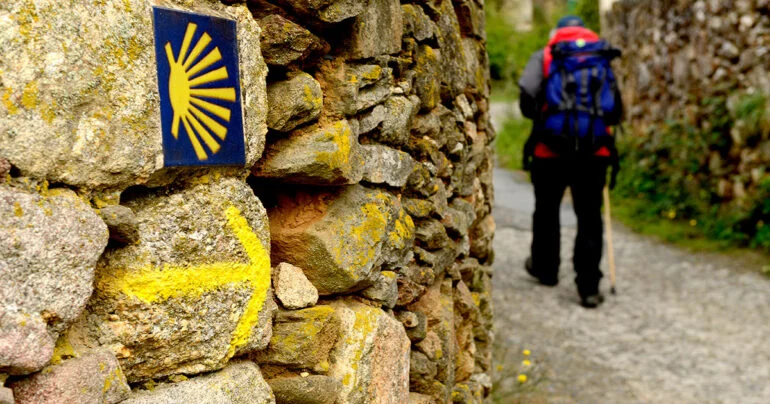
One of the key factors to enjoy the Camino is the rhythm. For most beginners, walking between twenty and twenty-five kilometers a day is more than enough to advance without exhausting yourself and, at the same time, have time to enjoy the surroundings, the towns and the encounters that arise along the way. Trying to do more than necessary is usually a common mistake that ends up taking its toll.
In 2026, there is also a clear trend towards a more conscious Path. More and more pilgrims prioritize experience over distance, well-being over demands and the process over the final goal. This way of understanding the Camino is changing the way we travel it, moving it away from the idea of a physical challenge and towards a more personal and balanced experience.

Choosing the route well, adjusting expectations and listening to your own body are three fundamental keys to making the first experience positive. The Camino does not require perfection or extreme preparation, but it does require a certain coherence when planning it. Because in the end, it's not about arriving quickly or doing more kilometers than anyone else, but about living each stage with meaning.
For those considering starting in 2026, the recommendation is clear: starting on an appropriate route can make the difference between wanting to repeat... or never returning. And on the Camino, as in many things, the first step is the one that changes everything.

















