



The Camino Lebaniego Foundation and the diocese of Oviedo strengthen their alliance
The pilgrimage routes of northern Spain continue to gain prominence as one of the great drivers of cultural, spiritual and rural tourism. In this context, the Camino Lebaniego Foundation and the diocese of Oviedo have decided to strengthen their collaboration to jointly promote the historic itineraries that connect Cantabria and Asturias through centuries of faith, heritage, nature and tradition.
The meeting took place recently in Santander and brought together the director of the Camino Lebaniego Foundation, Pilar Gómez Bahamonde, and the episcopal vicar of Culture and Institutional Relations of the diocese of Oviedo, Jorge Juan Fernández Sangrador. The meeting served to put on the table new lines of work aimed at promoting some of the most important historical paths in the north of the peninsula.
Behind this collaboration there is a clear idea: to turn the Caminos del Norte into an increasingly attractive experience for pilgrims, travelers, hiking lovers, cultural tourists and people interested in religious heritage.

The Lebaniego Way continues to grow as an international reference
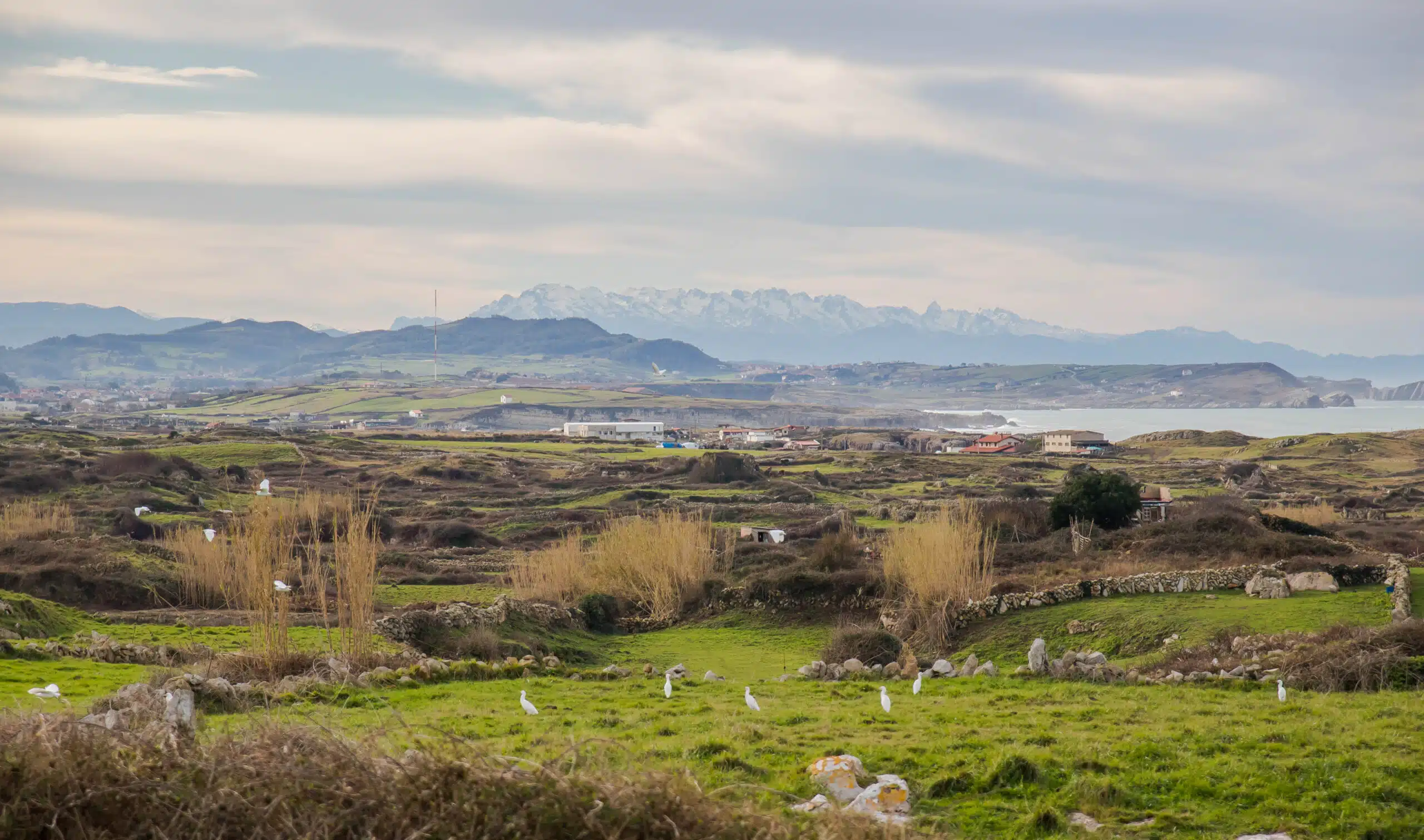
One of the great protagonists of this alliance is the Camino Lebaniego, one of the most unique pilgrimage routes in Europe and one of the great tourist symbols of Cantabria. This itinerary connects San Vicente de la Barquera with the Monastery of Santo Toribio de Liébana, crossing some of the most spectacular landscapes in northern Spain between mountains, forests, historic towns and the impressive Picos de Europa.
The route culminates in Santo Toribio de Liébana, one of the main centers of Christian pilgrimage on the continent thanks to the conservation of the Lignum Crucis, considered the largest preserved fragment of the Cross of Christ.
Every year more visitors arrive, attracted by spiritual tourism, authentic experiences, hiking, rural tourism, charming hotels, local gastronomy and the growing interest in historical routes linked to well-being and digital disconnection.
The Path of the Sanctuaries gains prominence
During the meeting, the importance of the so-called Camino de los Santuarios was also highlighted, a historical route that connects Oviedo, eastern Asturias and Liébana, recovering ancient communication routes used for centuries by pilgrims and travelers.
This itinerary has enormous cultural and religious value because it unites two of the most important relics of Western Christianity.
On the one hand, the Holy Shroud preserved in Oviedo.
On the other hand, the Lignum Crucis guarded in Santo Toribio de Liébana.
Both elements are part of a spiritual tradition that continues to arouse interest among national and international pilgrims.
The intention is to reinforce the joint promotion of these routes and consolidate them as a tourist offer capable of attracting visitors throughout the year.
Tourism, heritage and local economy
The collaboration between both institutions also comes at a particularly important time for tourism in northern Spain.
The rise of the Camino de Santiago, the growth of sustainable tourism, rural getaways and interest in cultural experiences are generating new economic opportunities for numerous municipalities in Cantabria and Asturias.
Rural hotels, tourist accommodations, restaurants, backpack transport companies, local businesses and businesses linked to hiking increasingly benefit from the constant movement of pilgrims who travel these paths.
Those responsible for the project consider that promoting these itineraries also means protecting the historical heritage, improving infrastructure and helping to keep many inland towns alive.
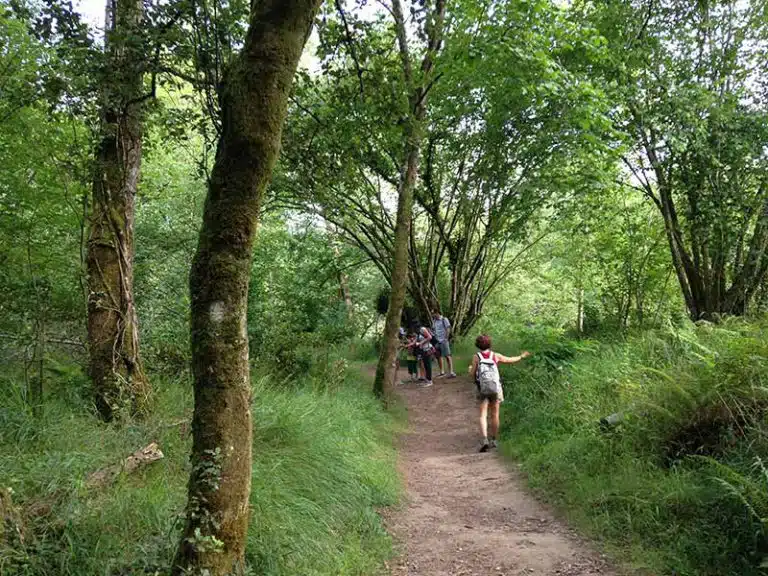
The Northern Roads are experiencing one of their best moments
Pilgrimage numbers continue to grow and more and more travelers choose less crowded routes to live a calmer and more authentic experience.
Many seek nature, silence, gastronomy, well-being, history and landscapes far from big cities.
And precisely that is where the Caminos del Norte find one of their greatest strengths.
Cantabria and Asturias offer a combination that is difficult to match:
sea,
mountain,
heritage,
spirituality,
culture
and some of the most spectacular landscapes in Europe.
A project with a view to the future
The Camino Lebaniego Foundation and the diocese of Oviedo have already begun to study new joint actions to continue strengthening these historical itineraries.
The idea is that the roads continue to function as they did for centuries:
as bridges between territories, cultures and people.
At a time when millions of travelers are looking for real experiences, contact with nature and meaningful trips, the Caminos del Norte increasingly appear as an alternative capable of combining tourism, heritage, spirituality and economic development.
And everything indicates that both Cantabria and Asturias want to walk together towards that future.

















