



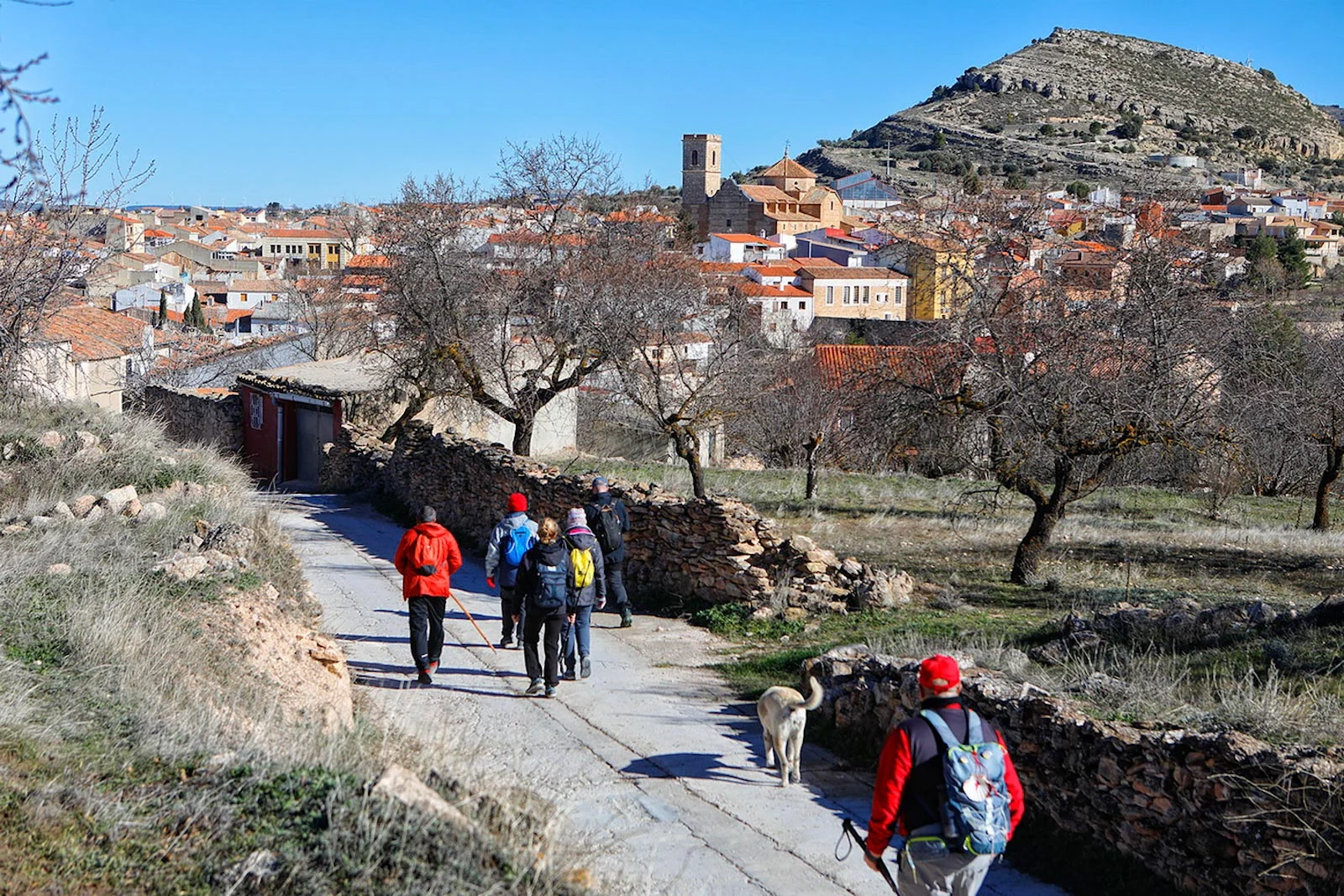
Far from the busiest routes, the Camino de la Lana preserves something that many pilgrims continue to seek: silence, small towns, hospitality, landscape and the feeling of walking without haste. From the lands of Alicante and Villena to Burgos, this route crosses an interior Spain where each town can become an essential part of the trip.
There are Paths that are traveled and others that, little by little, end up staying within us.
He Wool Road belongs to the latter.
It is a serene, humble and deeply linked route to the land. A Path that crosses open fields, small towns and landscapes where it is still possible to clearly hear our own steps.
Its name recalls a history of shepherds, flocks, glens and ancient roads used for centuries to transport wool. Today, through a good part of those same lands, other travelers advance: the pilgrims searching for Santiago.
A path through the interior of the peninsula
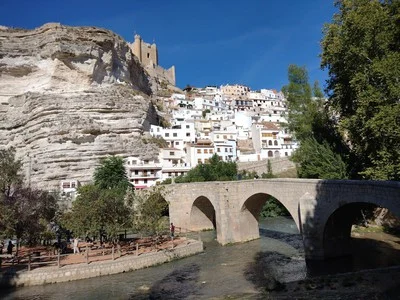
From Alicante and the lands of Villena, the Camino heads inland, crossing very different towns and territories.
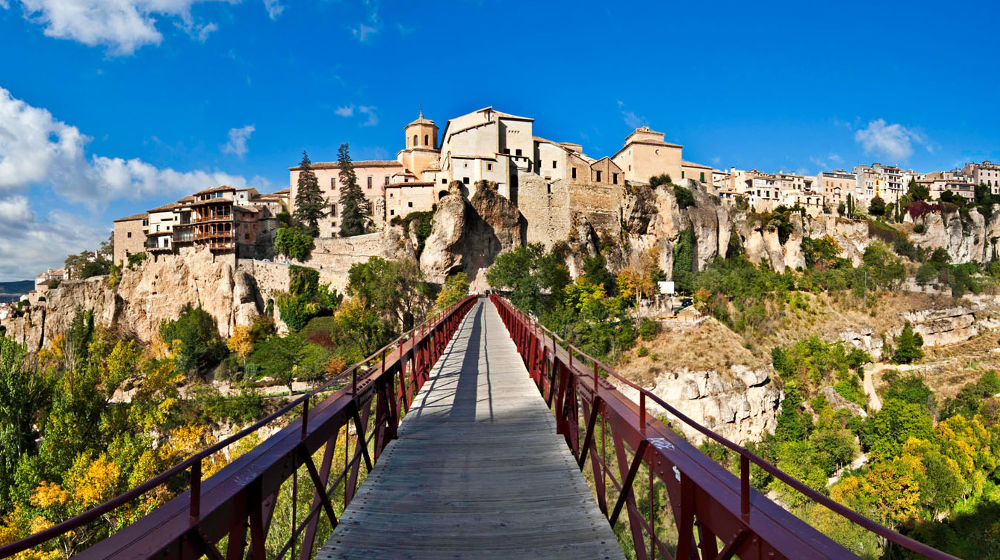
Caudete, Almansa, Alatoz, Alcalá del Júcar, Cuenca, Atienza, San Esteban de Gormaz, Santo Domingo de Silos or Covarrubias are part of a route that ends up reaching Burgos, where it connects with the French Way.
But this route cannot be understood only by looking at a map.
Your true personality appears when you walk.
Kilometer by kilometer.
Town to town.
Alatoz and those places that the pilgrim does not forget
Among all the names of the route, towns such as Alatoz, capable of perfectly representing the essence of the Camino de la Lana.
They don't need to be major tourist destinations to leave their mark.
Many times just the opposite happens.
The pilgrim arrives without great expectations and ends up finding one of those places that remain in the memory long after having returned home.
A conversation.
A fountain.
An indication.
A church.
A small bar.
A neighbor asking if we need anything.
They are simple details, but on a Camino like this they can become a fundamental part of the experience.
A Path where people still matter a lot
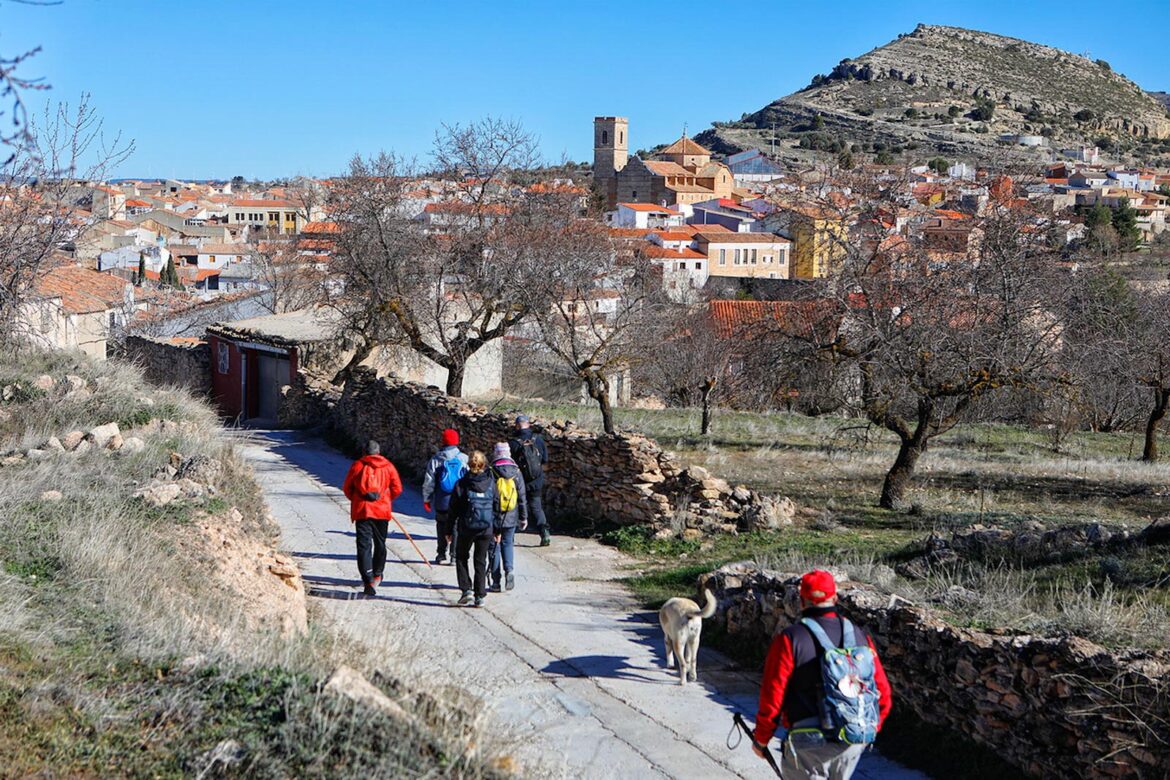
Perhaps one of the greatest attractions of the Camino de la Lana is precisely its people.
On the busiest routes, the pilgrim can almost become part of the landscape.
Here, in many small towns, his arrival is still noticeable.
And that generates a different relationship.
The greeting is important.
The conversation comes easily.
A little help can become a story to tell for years.
The Camino is then built not only with arrows and kilometers, but also with the people who appear on both sides of the path.
walk slowly
The Camino de la Lana invites you to another speed.
There is room to stop.
To look at the landscape.
To listen.
To rest in Alatoz, Alcalá del Júcar or any of the small towns that appear along the route.
And to remember something that we sometimes forget:
The Camino does not need large crowds to be great.
Sometimes, precisely the absence of noise allows us to better discover what is around us.
A slowly changing landscape
The route crosses a part of Spain where the landscape plays an enormous role.
Open fields.
Small roads.
Rural roads.
Plateaus.
Valleys.
Towns where stone and traditional architecture still tell stories.
There is no constant succession of great monuments nor an infrastructure designed exclusively for pilgrims.
And maybe that's part of his personality.
The Camino de la Lana forces us to look differently.
History of shepherds and pilgrims
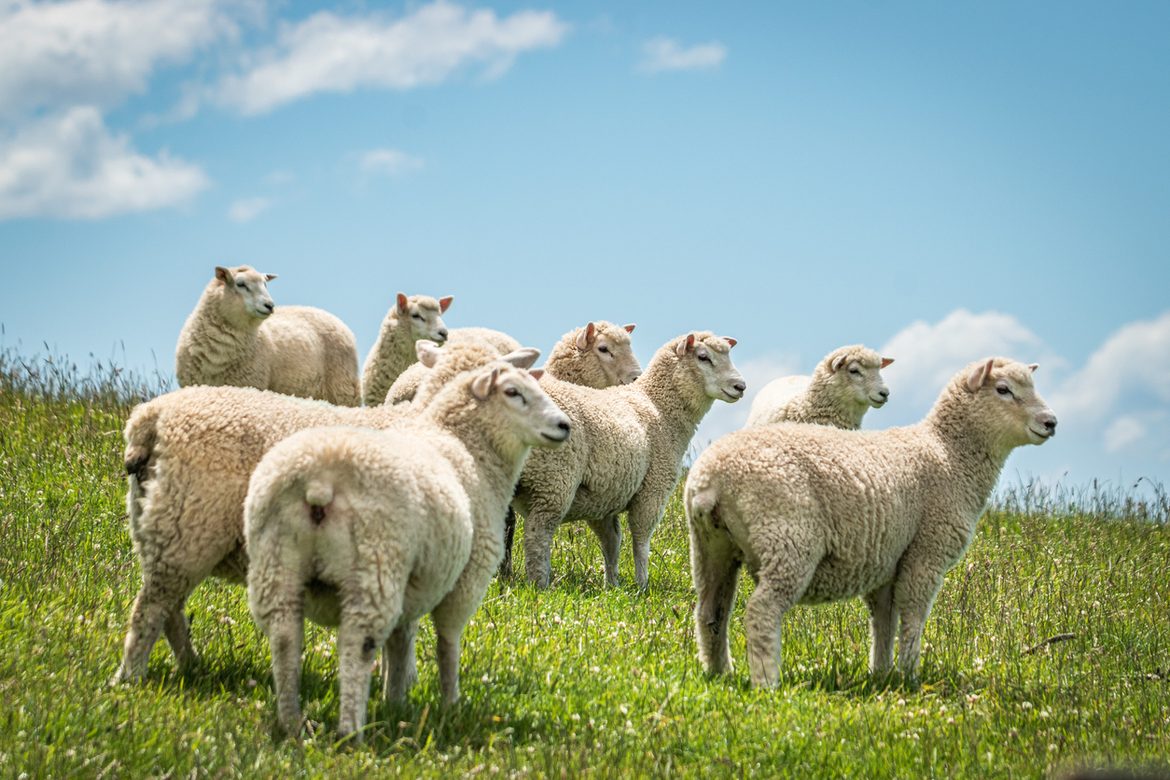
The name of the route itself connects us with a Spain of livestock movements, commerce and historical roads.
For centuries, these territories were crossed by flocks and people transporting wool to different parts of the peninsula.
Today, the landscape preserves part of that memory.
Today's pilgrim walks through territories that were used long before the Camino became an international phenomenon.
This overlapping of stories makes the route especially interesting for those looking for something more than adding kilometers.
A little secret from the Jacobean world
The Camino de la Lana remains, for many, unknown.
And that also has a positive side.
It preserves a sense of discovery that other routes have been losing with the growth of pilgrimage.
You don't have to constantly compete for a photograph.
Not everything is prepared for the visitor.
Not all stages are full of walkers.
There are places where it still feels like one is discovering the Camino for the first time.
Small towns, big memories
The greatness of a route is not always measured by the number of pilgrims it receives.
Sometimes it is found precisely in that which seems small.
A square.
A fountain.
A conversation at the end of the afternoon.
A door that opens.
A person who offers help without expecting anything in return.
Towns like Alatoz remember that the Camino de Santiago has been built for centuries thanks to that network of small places and small hospitality.
Without them, no great route would exist.
A Path that deserves to be taken care of
The Camino de la Lana deserves to be known, but also protected.
Its growth should allow it to preserve what precisely makes it different.
The tranquility.
The landscape.
The relationship with the people.
The simplicity.
The hospitality.
Because each pilgrim who passes leaves a small footprint.
But you also take with you something from each place you visit.
A landscape.
A story.
A name.
A conversation.
And, above all, the memory of some person encountered along the way.
Perhaps the Camino de la Lana is still one of those little secrets of the Jacobean universe.
A Way where towns like Alatoz remind us that many times The true greatness of the Camino is found precisely in its smallest corners.
Good Way.

















