



An unprecedented number of pilgrims has attempted this year to complete the Camino de Santiago, turning this pilgrimage, once contemplative or secular, into a popular tourist attraction. The increase in the number of walkers is now forcing travelers to reserve hotel rooms or beds in traditional pilgrim hostels well in advance to avoid a surprise extension of the day, which can take away the spontaneity of the experience. Meanwhile, Santiago de Compostela, the final destination of the famous Camino, and its inhabitants have witnessed the negative effects of excessive tourism.
The Camino de Santiago is more than just the popular French Way that extends from the town of St. Jean-Pied-de-Port, in the French Pyrenees, to Santiago de Compostela. The network of 281 routes, spanning more than 82,881 kilometers, meanders through 29 different countries. And the truth is that there are other less traveled alternatives to the French Way, but above all one that is more unknown and that should be taken into account.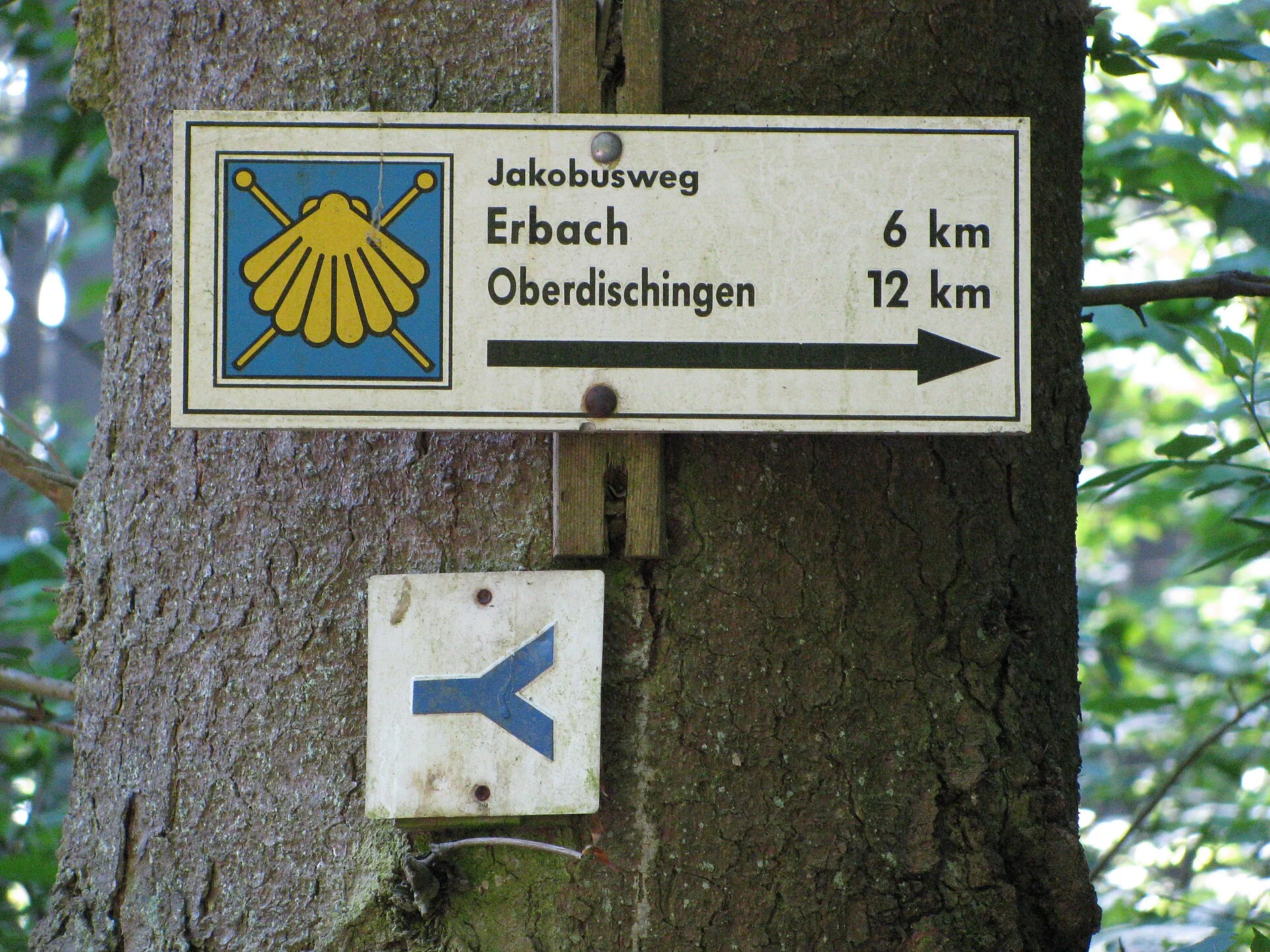
The German Way (part of the intricate Camino de Santiago) offers walkers along it historical landmarks, landscapes and a hiking experience similar to that of the French Way, but without the crowds. It is not uncommon for travelers traveling through the Jakobsweg (Camino de Santiago, in German) have the path to themselves. What they lack in infrastructure, they make up for with an oasis of serenity.
'Jakobsweg': walk the paths less traveled
The history of the Camino de Santiago is part of its appeal for many hikers, who follow in the footsteps of generations of pilgrims who preceded them. In the 1st century AD, the Apostle James spent time spreading the gospel or Christian teachings in Hispania, the Roman provinces now occupied by Spain and Portugal. After his martyrdom in Jerusalem, Santiago's body returned to the Peninsula and was buried in a tomb in the region of Galicia. It is believed that this tomb was rediscovered in the 9th century AD, and in its place a church (years later, a large cathedral) was built in Santiago de Compostela.
Christians soon began visiting the tomb of James, believing that their pilgrimage to his remains would save their souls time in purgatory. Christianity and Catholicism were the same religion for almost 1,000 years, until the Great Schism of 1054, and since then the Camino de Santiago has been known as a Catholic pilgrimage.
FOUNTAIN: NATIONALGEOGRAPHIC

















