



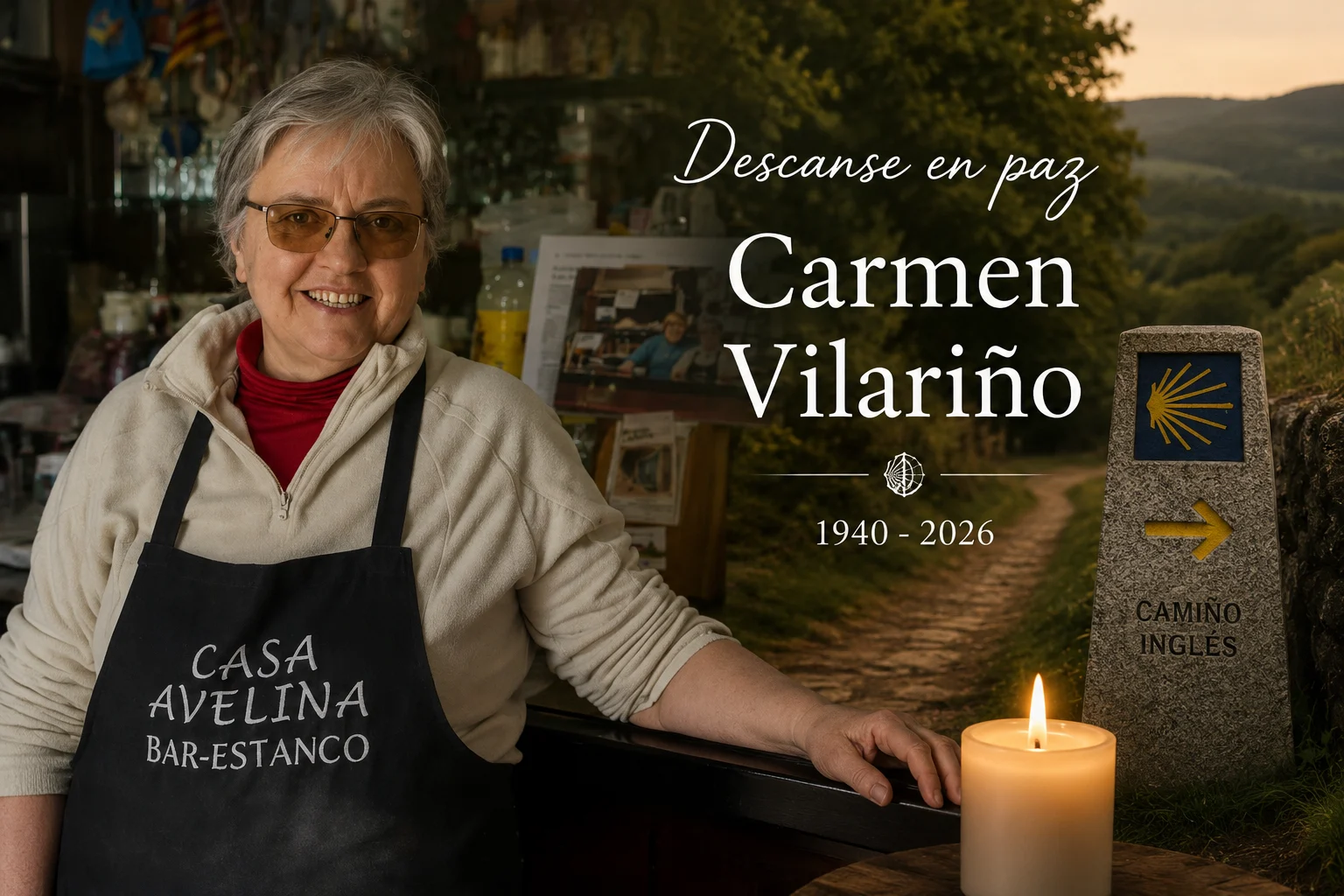
Carmen Vilariño, matriarch of Casa Avelina, a place where generations of pilgrims on the Camino Inglés found much more than a bar: they found a home, dies at 85
There are people who never need to walk hundreds of kilometers to be part of the Camino de Santiago.
Because they are the ones who wait for the pilgrim.
The ones who open a door when you arrive tired. The ones that serve something hot. Those who ask where it comes from and, above all, how it is. The ones that make a stranger who has been walking for days feel for a few minutes as if they had returned home.
Carmen Vilariño Muíño was one of those people.
As Travesas, in Carral, mourns the death of the 85 years of the matriarch of Avelina House, one of those establishments that over the years have ended up forming part of the sentimental memory of the English Way.
Casa Avelina was not just a stop
To understand what this loss represents, we must first understand what certain places mean to a pilgrim.
After hours walking, with tired legs and the backpack weighing a little more than in the morning, finding a door where you are greeted with love can completely change a day.
That is precisely what many pilgrims found over the years at Casa Avelina.
The establishment is a historic tobacconist's bar opened in 1917 by Carmen's in-laws. It is currently run by his daughters, Avelina and Carmen, but until very recently his mother continued to be seen there, keeping an eye on what was happening.
He was 85 years old.
And he was still part of that house.
Because places like this cannot be explained by a bar, some tables or a sign on the door.
They are explained by people.
"Like at home"
There is an expression that probably sums up an entire life dedicated to receiving people.
The pilgrims said they felt there "like at home".
Few words can better represent the original spirit of the Camino.
Because hospitality does not just mean providing accommodation or food.
Hospitality is looking into the eyes.
Ask.
Hear.
Remembering a face when it returns years later.
Serve a stranger as if they were not one.
And make someone who is hundreds or thousands of kilometers from their home feel, for a few minutes, that they belong there.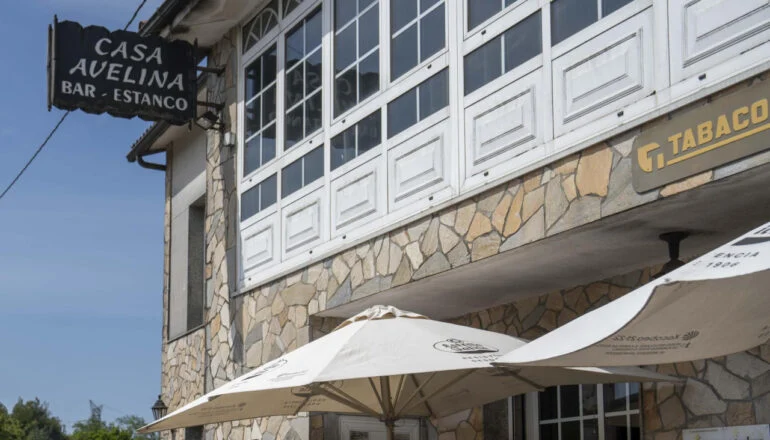
The people who built the Camino without painting a single arrow
When we talk about the history of the Camino de Santiago we usually remember great names, monuments, monasteries and cathedrals.
But there is another much smaller and quieter Camino.
The one built over decades by thousands of anonymous people.
The lady who filled a water bottle.
The man who indicated where the shelter was.
The priest who opened a door.
The hospital worker who found a mattress when it seemed impossible.
The family that served a plate of food even if it was late.
They also built the Camino.
And Carmen belonged to that generation.
Today there will be a chair that feels a little emptier
Pilgrims will continue passing through As Travesas.
They will continue to enter Casa Avelina.
The backpacks will continue to be placed next to the tables and languages from half the world will surely be heard again.
The Camino will continue.
It always continues.
But there will be memories that will remain inevitably linked to that woman who for so many years was there observing the coming and going of walkers.
According to information published by The Galician Ideal, Carmen Vilariño was the widow of Fernando Vicente Veiras and her farewell will take place this Saturday, August 8, with a funeral and subsequent burial in Santa Mariña de Beira.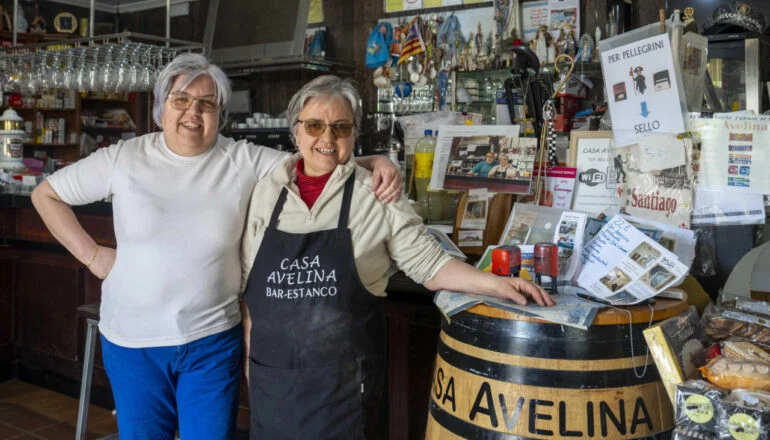
Because the Camino is also made of goodbyes
Thousands of people cross Galicia every year looking for Santiago.
Many believe that they will mainly remember the landscapes.
But as the years go by, something curious happens.
Some kilometers are forgotten.
Some towns are confused.
Even the name of some hostel disappears from memory.
But you hardly forget who was kind to you when you were exhausted.
That remains.
That is why today the Camino Inglés loses more than just one of its most beloved neighbors.
He loses one of those people who for decades helped give him his soul.
And surely, somewhere in the world, there will be former pilgrims who today remember Casa Avelina without even knowing that Carmen has left.
Perhaps that is the most beautiful mark a person can leave.
Having made those who were far from her feel at home.
Good way, Carmen.
And thank you for having been on the other side of the door for so many years.

















