



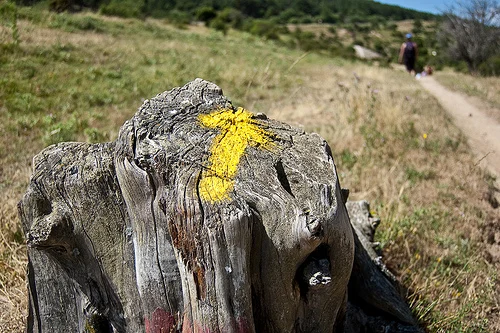
A new project seeks to reinforce the signaling of the Camino de Santiago
The province of Salamanca has launched an important initiative to improve the orientation and safety of pilgrims who travel the historic Vía de la Plata, one of the most authentic routes with the greatest personality on the Camino de Santiago.
The project, called “Mark, Mark, Walk”, aims to update and reinforce all the signage of the Camino as it passes through Salamanca after years in which many marks, arrows and information elements had suffered deterioration or lack of maintenance.
The action is developed thanks to the collaboration between Jacobean associations, experts in historical itineraries and entities linked to the Camino de Santiago, with the support of the Junta de Castilla y León.
The main objective is clear: to ensure that pilgrims can walk with greater security, orientation and confidence along one of the oldest Jacobean routes in Europe.
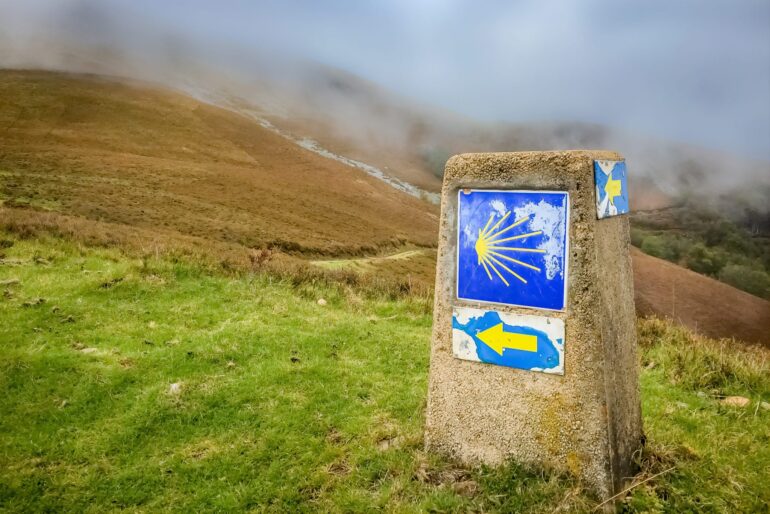
More than 170 kilometers traveled on foot to analyze the Camino
One of the most striking particularities of the project is that the analysis has been carried out by physically covering the entire itinerary between Puerto de Béjar and the border with Zamora.
For weeks, members of Jacobean associations, technicians and volunteers walked more than 170 kilometers on the spot checking crossings, variants, urban accesses and conflict points for pilgrims.
The study also included bicycle tours to detect problems related to road safety and orientation of both walkers and cyclists.
As a result of this first phase, more than 500 points considered sensitive or improvable within the Salamanca Jacobean route have been identified and georeferenced.
All of them have been photographically documented and analyzed from the real perspective of the pilgrim.
Signage continues to be essential on the Camino
Although the Camino de Santiago is experiencing a historic moment of international growth, orientation continues to be one of the aspects most valued by those who carry out long stages for days or weeks.
Getting lost can completely transform the pilgrim's experience.
Especially on routes such as the Vía de la Plata, where there are rural sections, long distances and less traveled areas than other more popular routes such as the Camino Francés.
The Jacobean associations involved consider that clear, visible and coherent signage is essential to guarantee safety, improve the tourist experience and reinforce the confidence of those who travel the route.
Many international pilgrims discover precisely on the Vía de la Plata a quieter and more authentic alternative within the Camino de Santiago.
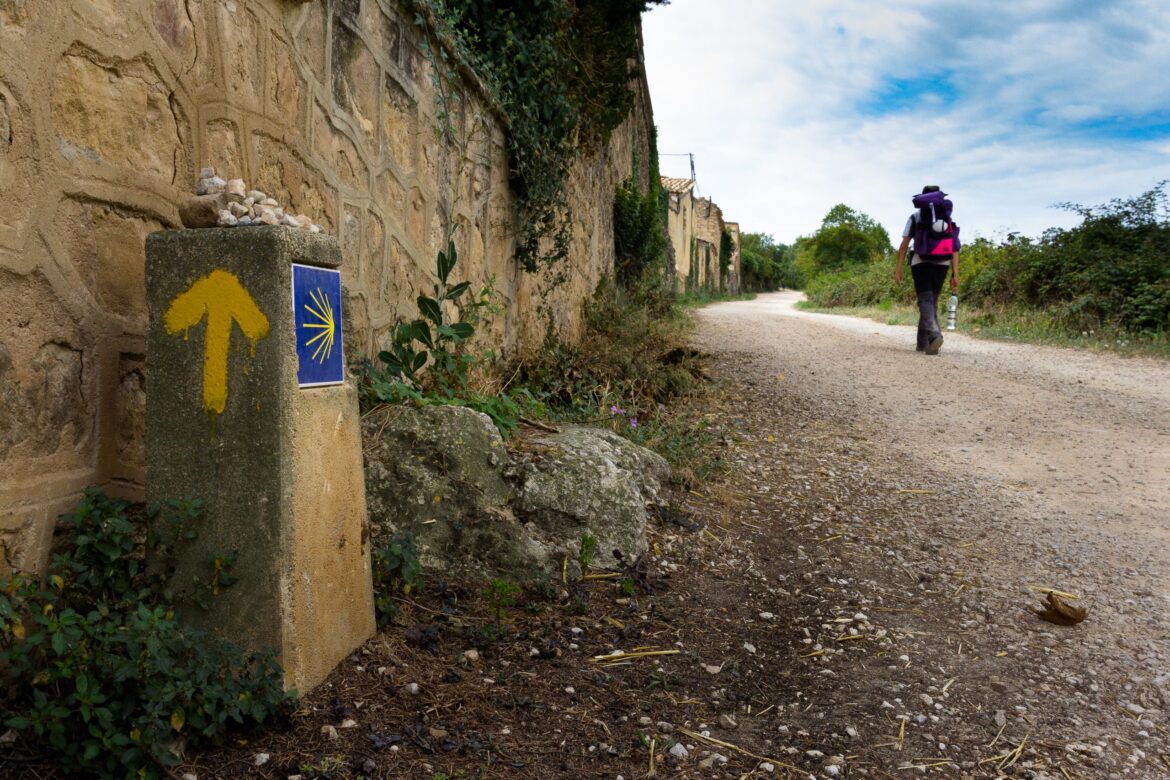
Salamanca reinforces its role within the Camino de Santiago
The Vía de la Plata crosses some of the most representative landscapes of Salamanca.
From the pastures of the southern province to the entrance to the capital of Salamanca and the open roads of the north, the route offers a highly valued combination of nature, historical heritage and rural tourism.
The city of Salamanca has also become one of the great cultural and tourist references of the Camino thanks to its historic university, its monumental architecture and its growing international appeal.
However, the technical study carried out also detected urban areas where there is still room for improvement to facilitate the orientation of pilgrims within the capital.
In particular, complex intersections, urban accesses and points related to road safety were analyzed.
The Camino de Santiago continues to grow in 2026
The rise of active tourism, hiking and travel experiences related to nature and well-being continues to drive the growth of the Camino de Santiago throughout Spain.
More and more people are looking for:
- sustainable tourism,
- digital disconnection,
- adventure,
- historical heritage,
- gastronomy,
- and authentic experiences.
The Vía de la Plata fits perfectly within that trend.
Many pilgrims highlight precisely the tranquility of the route, the human contact with small towns and the feeling of authenticity that this historic route still preserves.
In addition, the Vía de la Plata has enormous heritage wealth as it largely coincides with ancient Roman roads used for more than two thousand years.
Jacobean associations demand more support for the Camino
The entities involved in the project consider that the recovery and consolidation of the Vía de la Plata involves two fundamental elements:
- a good traditional reception network,
- and modern and effective signage.
The work developed during this phase will serve as a basis for future actions on the ground that will improve arrows, information panels and orientation elements along the Salamanca route.
The associations also highlight the importance of listening to the real experience of pilgrims and those who walk the Camino daily.
On many occasions, small details can make big differences in safety and comfort.
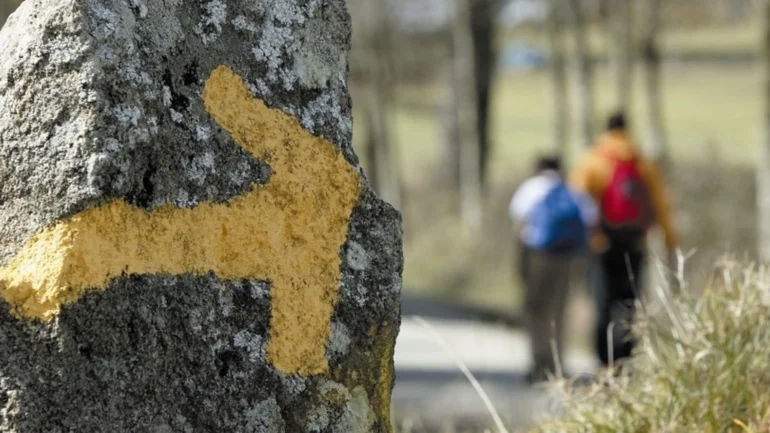
The Vía de la Plata seeks to regain international prominence
Although it remains less known than other Jacobean routes, the Vía de la Plata gains more relevance each year within international tourism linked to the Camino de Santiago.
Pilgrims from Germany, the United States, South Korea, Italy and France are increasingly seeking less crowded paths more connected to nature and history.
Salamanca appears as one of the great strategic territories within this commitment to the future.
With projects such as “Mark, Sign, Walk”, the province wants to reinforce its image as a safe, cultural and welcoming destination for those who decide to travel one of the most historic paths in Europe.
Because on the Camino de Santiago, many times, a simple yellow arrow can completely change the experience of the trip.

















