



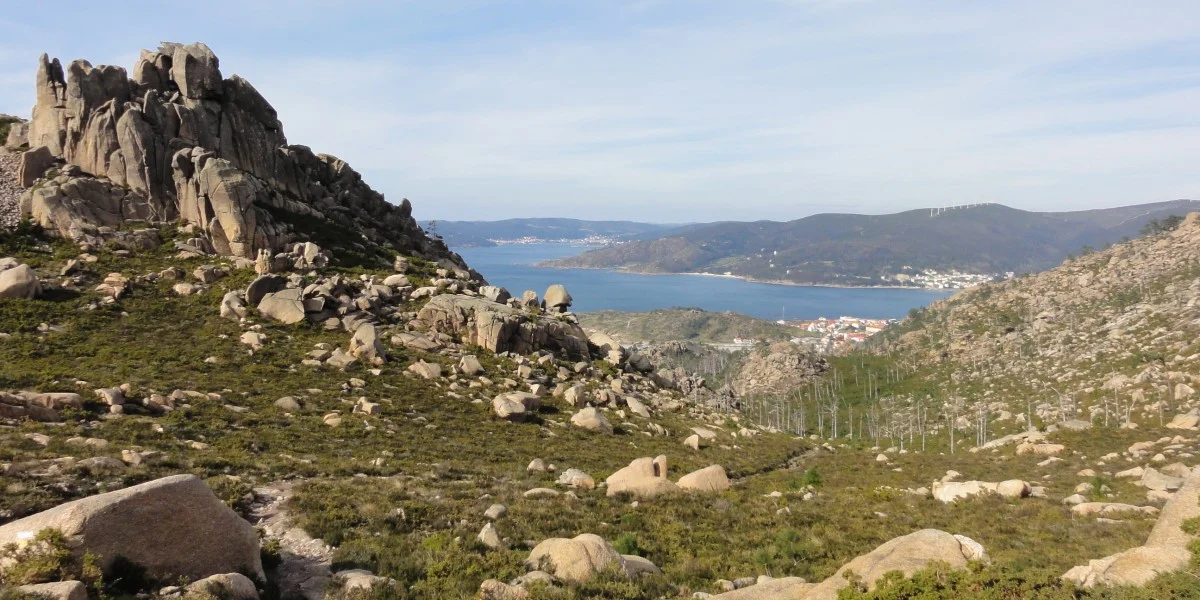
The writer Jorge González Paredes had to be rescued after taking the wrong route in Carnota
What began as a day of hiking and Jacobean exploration ended up becoming a situation of maximum tension in the heart of Galician nature. The writer Jorge González Paredes, well-known expert on the Camino de Santiago and author of the book The Secret Guide to the Camino de Santiago, had to be rescued after getting lost with a group of pilgrims in a mountainous area of Carnota, in the province of A Coruña.
The incident occurred this Sunday during a route organized by González Paredes himself, who for years has led alternative pilgrimages along lesser-known routes and historical paths away from the most crowded official routes.
The experience, which sought to discover hidden paths and landscapes different from the Camino de Santiago, ended up generating moments of genuine concern after a mistake during the route.
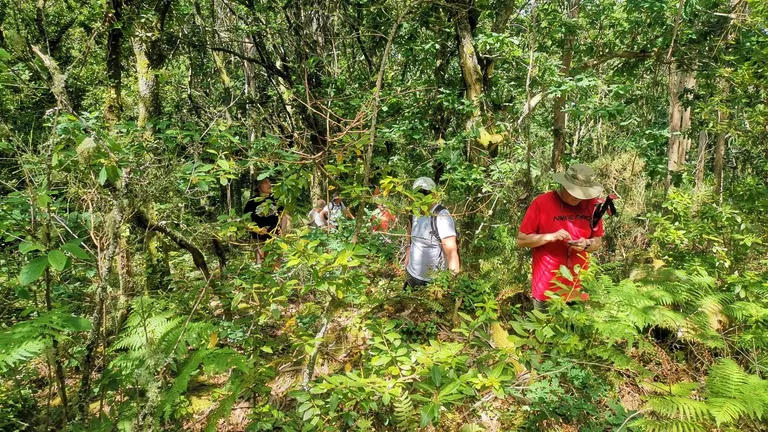
An orientation error in an area that is difficult to access
According to the first information, the group of seven people led by Jorge González Paredes left from Carnota with the objective of ascending Mount Lariño and later descending through the San Martiño area.
However, during the journey they took a wrong path, getting lost in a particularly complex mountain area with orientation difficulties.
The situation began to get complicated quickly due to physical fatigue, the difficulty of the terrain and the hours accumulated walking.
Finally, it was necessary to activate a search and rescue operation to locate the group in one of the wildest and most spectacular natural areas of the Galician coast.
Emergency teams managed to find the hikers after several hours of uncertainty, thus avoiding much more serious consequences.
Jorge González Paredes is a well-known figure of the Camino
The protagonist of the incident is not just any pilgrim.
Jorge González Paredes is considered one of the great experts on alternative Jacobean routes and little-traveled historical paths.
your book The Secret Guide to the Camino de Santiago It has become a reference for many pilgrims interested in discovering unknown variants, historical trails and different experiences related to the Camino.
For years it has been organizing group routes and pilgrimages where walkers from all over Spain participate, many of them attracted precisely by the idea of living a more authentic, more natural and less touristy Camino.
Precisely this constant search for different paths was what led the group to explore lesser-known areas around Carnota.
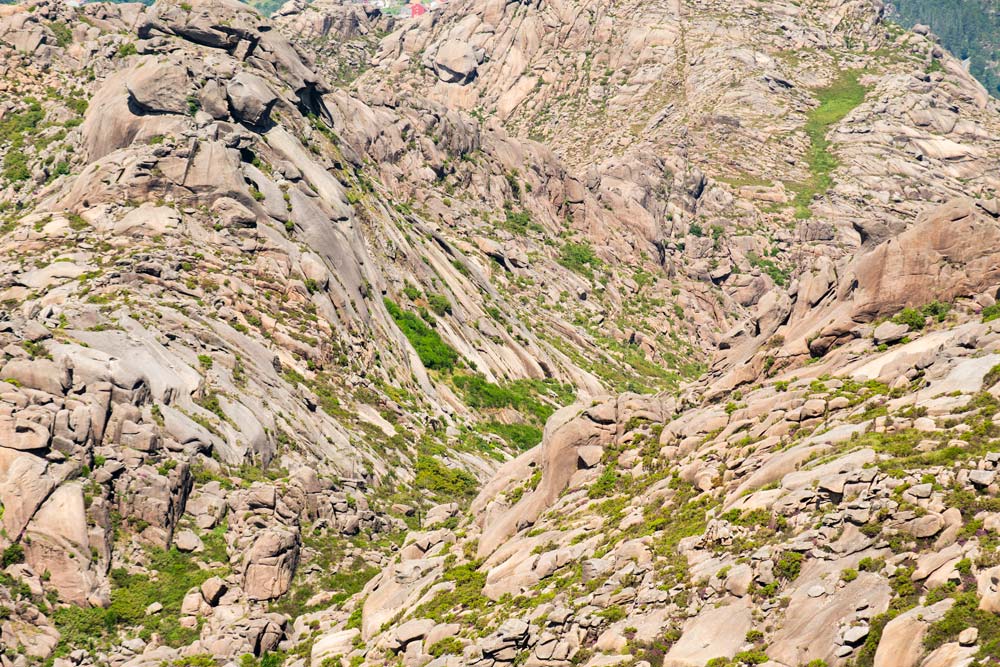
Wild Galicia: spectacular beauty but also dangerous
The area where the incident occurred is one of the most impressive in Galicia from a landscape point of view.
Carnota and the surrounding area of O Pindo attract thousands of hikers, pilgrims and nature tourism lovers every year thanks to its virgin beaches, mountains, forest routes and Atlantic landscapes.
However, these are also areas where targeting can become extremely complicated.
Rapid weather changes, fog, closed vegetation and the existence of poorly marked paths make some routes real challenges even for experienced hikers.
And precisely there appears one of the great paradoxes of the rise of active tourism and hiking:
More and more people are looking for authentic experiences and off-the-beaten-path routes… but that also entails greater risks.
The alternative path gains more and more followers
In recent years, interest in lesser-known variants of the Camino de Santiago has grown enormously.
Many pilgrims today seek:
- digital disconnection,
- nature,
- tranquillity,
- secret routes,
- authentic experiences,
- and roads away from large crowds.
This phenomenon has driven the growth of guides, routes and experiences organized around lesser-known historical routes.
Experts like Jorge González Paredes have become references precisely for showing “the other Way”, the one that still preserves silence, wild landscapes and a sense of adventure.
But this type of tour also requires physical preparation, mountain experience and a lot of caution.
The rise of hiking triggers rescues in Spain
The authorities have been warning for some time about the increase in rescues related to hiking and nature tourism.
Many walkers underestimate factors such as:
- the tiredness,
- dehydration,
- the orientation,
- the unevenness,
- or the actual duration of the routes.
In addition, social networks and the rise of outdoor tourism are leading more and more people to lesser-known natural routes.
Galicia has precisely become one of the great destinations for active tourism and hiking in Europe thanks to its mix of the Camino de Santiago, the Atlantic coast, gastronomy and spectacular landscapes.

The Camino also demands respect for nature
Although the Camino de Santiago is usually associated with spirituality and quiet tourism, many of its variants cross demanding natural environments.
Especially in Galicia, where there are mountainous areas, forest roads and little traveled trails that require adequate preparation.
Jacobean experts and associations always remember the importance of:
- plan routes,
- carry enough water,
- check the weather,
- report the route,
- and avoid improvisations in unknown areas.
Because even great experts on the Camino can make mistakes.
The scare ended without serious consequences
Fortunately, the incident ended without serious harm to any of the participants.
The rescue was successful and the group was finally able to leave the area after hours of uncertainty and worry.
But the episode once again demonstrates something that many pilgrims discover too late:
Nature can be as spectacular as it is unpredictable.
And in Galicia, getting lost among mountains, forests and hidden paths continues to be part of that mix of adventure, beauty and respect that makes the Camino de Santiago unique.

















