

From silence to the multitude: The arrival of pilgrims to Santiago has multiplied by seven in a century
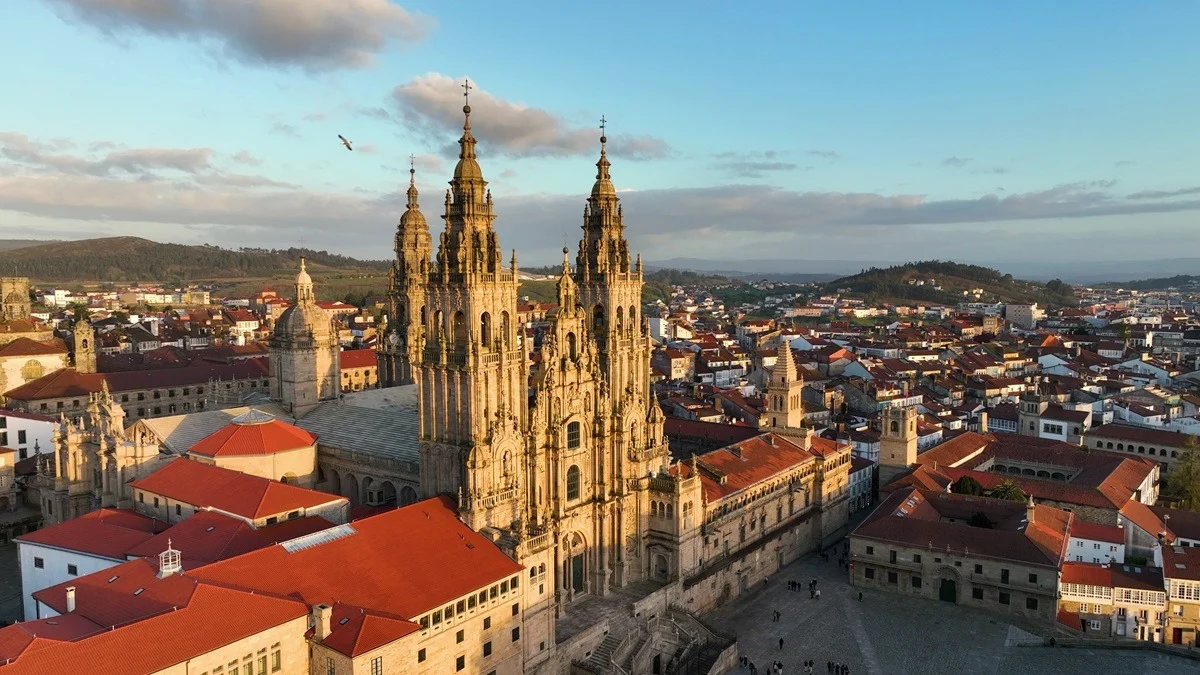
If we could travel back in time one hundred years and stood in the Plaza del Obradoiro on any given day in 1926, the image would be unrecognizable. Not only because of the lack of digital cameras or Gore-Tex backpacks, but because of the silence. According to the data analyzed The Voice of Galicia, the influx of pilgrims to the city of the Apostle has multiplied by seven in the last century.
What was once a constant but discreet trickle of devotees and seekers is today a global phenomenon that defies all predictions. But what does this “x7” really mean for the spirit of the route?
1. The end of the “pilgrimage of a few”
At the beginning of the 20th century, walking the Camino was a rarity, an almost heroic adventure reserved for a few brave people or people from nearby regions. Today, Santiago welcomes people of more than 180 nationalities. The Camino has become democratized, it has become globalized and, above all, it has diversified.
We no longer just walk by faith; We walk for sport, for mental health, to disconnect from digital noise or simply for the pleasure of meeting new people.
2. Why this explosive growth?
There are several factors that explain why today we are seven times more than a hundred years ago:
- Improving infrastructure: In 1926, sleeping "on the Camino" meant asking permission in a hayloft or in a private house. Today, the network of public and private lodges is the envy of any global hiking trail.
- The institutional impulse: Since Xacobeo 93, the Camino became a brand of international prestige.
- The search for the authentic: In an increasingly technological world, the simplicity of walking stage after stage is the "luxury" that we all seek.
3. The challenge of dying of success
Not everything is celebrations. This growth multiplied by seven puts on the table the great debate of this 2026: the sustainability. Santiago is a small city and its historic center has a limit. The challenge of this century is no longer to attract more people, but to manage those who come so that the experience does not lose its soul and the city does not become a theme park.
The Camino is still alive
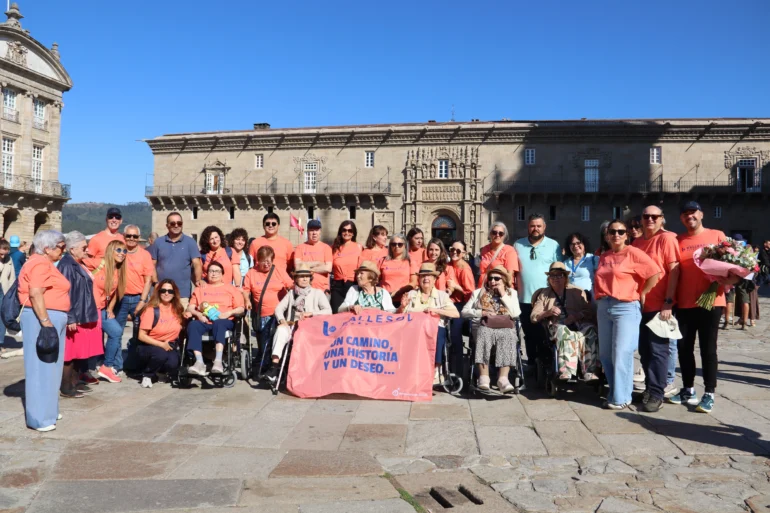
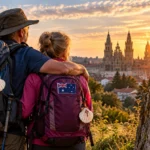
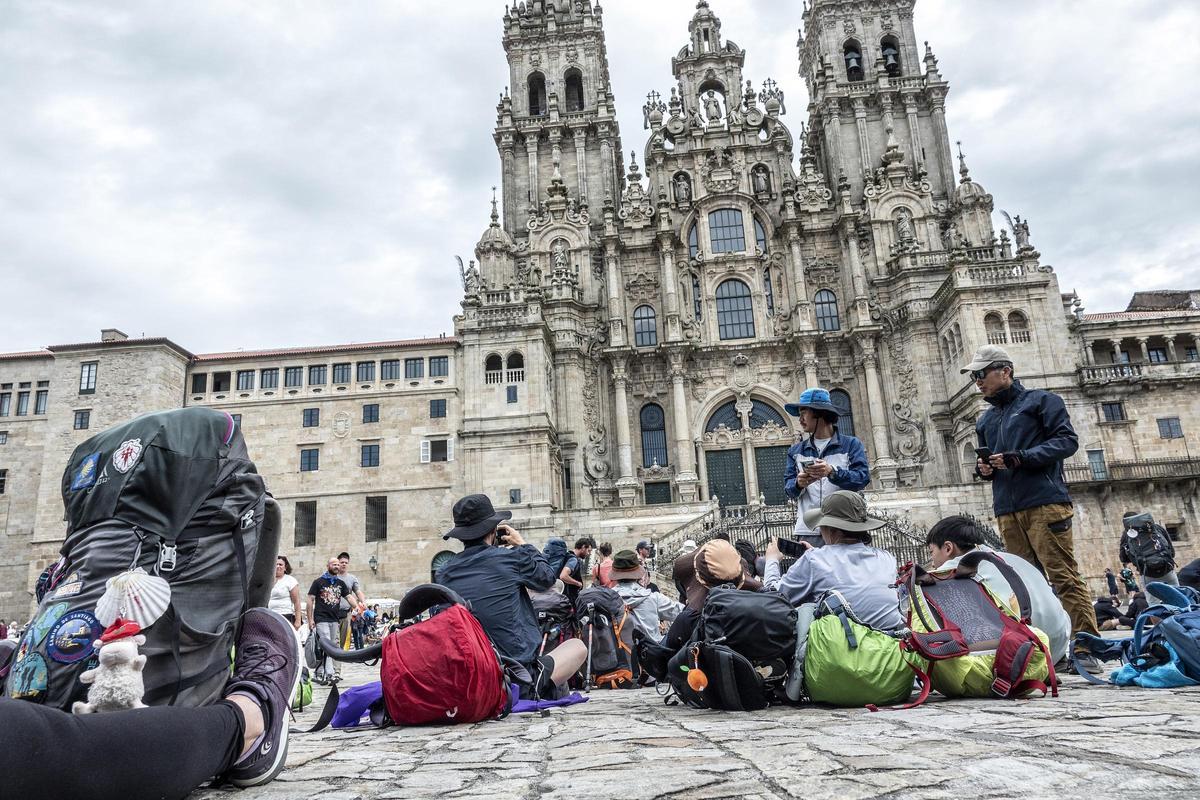
Despite the dizzying figures, the truth is that the feeling when entering the square remains the same. It doesn't matter if you are one of the ten pilgrims who arrived a century ago or one of the thousands who enter today: the emotion of dropping your backpack in front of the Cathedral is something that statistics cannot multiply, because it is unique for each one.
The Camino has changed its skin, it has become bigger and louder, but its heart continues to beat with the same force as it did a hundred years ago.