



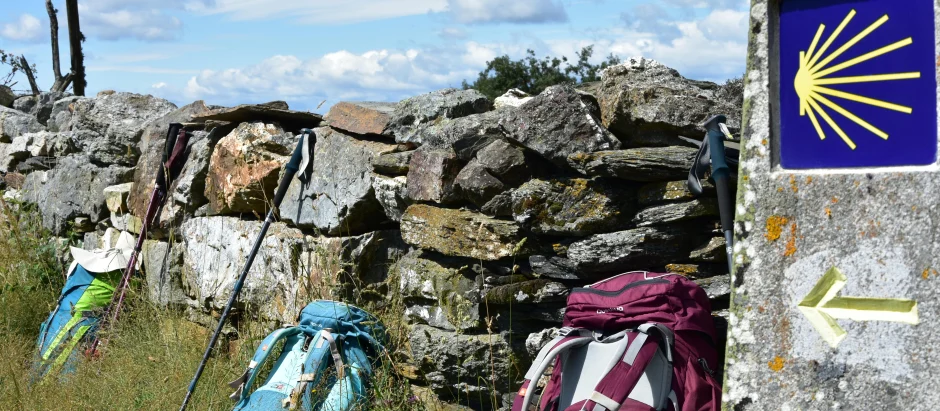
Keys that explain why the Camino is World Heritage
The Camino de Santiago is not just a pilgrimage route, it is one of the most important cultural itineraries in the world. Recognized as a World Heritage Site by UNESCO since 1993, this set of historic paths meets a series of unique requirements that make it a cultural, historical and social phenomenon without comparison.
But what does UNESCO really require to consider the Camino de Santiago as a universal good? The answer goes far beyond walking to Santiago de Compostela. It involves history, conservation, authenticity and a living network that continues to function centuries later.
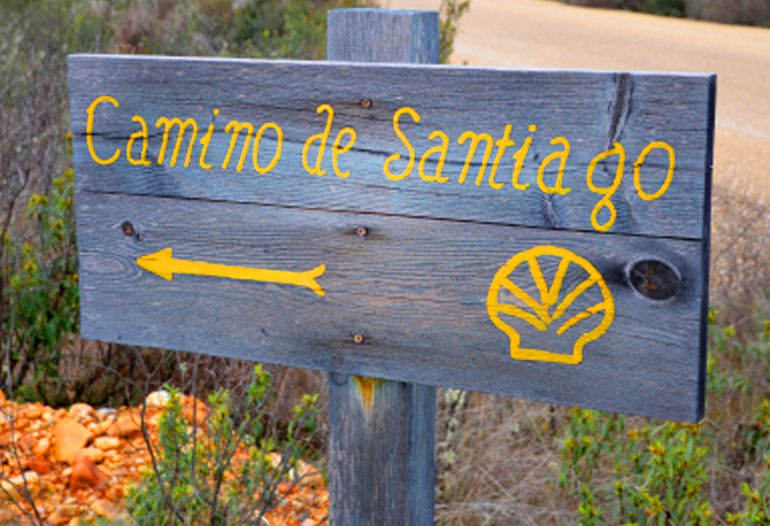
A historical recognition that makes a difference
The Camino de Santiago was declared a World Heritage Site by UNESCO for its exceptional value as a medieval pilgrimage route that has connected Europe for centuries.
This recognition is not limited to a single path, but to a set of historical routes that cross Spain and Europe, forming a cultural network that has influenced the development of cities, monasteries and traditions.
In addition, it was also the first European Cultural Itinerary recognized by the Council of Europe, which reinforces its importance as an axis of connection between cultures.
The key requirements demanded by UNESCO
For the Camino de Santiago to maintain its status as World Heritage, it must meet a series of fundamental conditions that guarantee its universal value.
Among the most important requirements are:
- Conservation of the original historical layout
- Protection of the architectural heritage linked to the Camino
- Maintaining cultural authenticity
- Continuity of use as a pilgrimage route
- Integration of the natural environment
These elements ensure that the Camino does not become a simple tourist attraction, but rather preserves its historical and spiritual essence.
The importance of the historical layout
One of the most important aspects for UNESCO is that the Camino maintains its original route. This means that the routes must respect the historical paths used by pilgrims during the Middle Ages.
The route cannot be modified arbitrarily, since it is part of the heritage value of the Camino. Each section, each stage and each detour has a historical significance that must be preserved.
This is one of the reasons why some alternative routes seek official recognition: they need to demonstrate their historical basis.
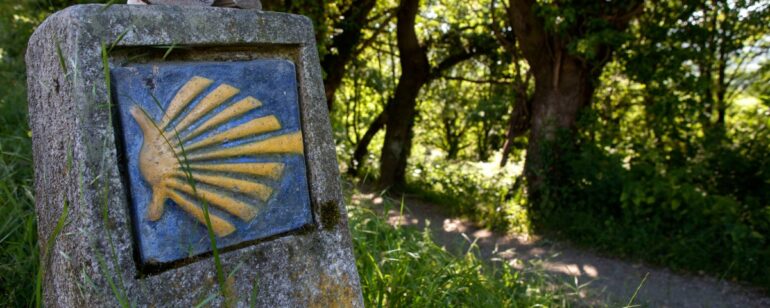
The heritage that surrounds the Camino
The Camino de Santiago is not just a path, but a set of heritage elements that accompany it. Churches, monasteries, pilgrim hospitals, bridges and cities are part of this cultural ecosystem.
Examples such as medieval monasteries, cathedrals or ancient hospitals are essential to maintain the value of the Camino. These elements reflect centuries of history and show how the route has influenced the development of Europe.
In fact, much of this heritage is still in use or has been restored to retain its original function.
A living route, not a museum
One of the most important points that UNESCO values is that the Camino remains a living route. It is not a static space, but rather an itinerary that continues to be traveled by thousands of people every year.
This continuity is key. The Camino is not only preserved, but lived. Pilgrims from all over the world travel it with different objectives: spiritual, cultural, sporting or personal.
This continuous use reinforces its value as intangible heritage.
The international dimension of the Camino
The Camino de Santiago does not belong to a single country. It is a network that crosses several European territories, connecting different cultures and traditions.
There are routes that leave from France, Portugal and other points in Europe, which demonstrates its international character.
This dimension is one of the key factors that justify its recognition as a World Heritage Site.
Conservation of the natural environment
Another fundamental requirement is the protection of the natural environment through which the Camino passes. UNESCO requires that landscapes, mountains, forests and rural areas maintain their integrity.
The Camino crosses very diverse regions, from vineyards to mountainous areas or coasts, making it a unique experience.
Preserving these environments is essential to maintain the authenticity of the tour.
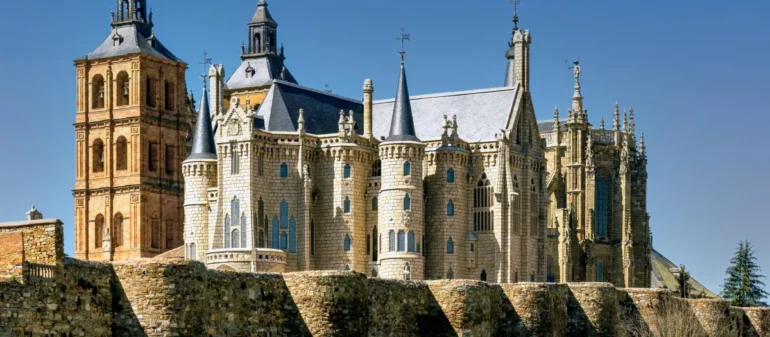
The current challenge: balance between tourism and conservation
The growth in the number of pilgrims in recent years has generated new challenges. Increased tourism may put at risk some of the values that UNESCO seeks to protect.
Therefore, one of the great current challenges is to find a balance between the promotion of the Camino and the conservation of its essence.
This involves controlling overcrowding in some sections, protecting heritage and guaranteeing an authentic experience for pilgrims.
The Camino de Santiago today: more relevant than ever
Despite the changes, the Camino de Santiago continues to be one of the great references of cultural and spiritual tourism in the world.
Every year, hundreds of thousands of people travel its routes, confirming that it continues to be a relevant and current experience.
UNESCO recognition not only protects the Camino's past, but also guarantees its future.
Conclusion: much more than walking
The Camino de Santiago is much more than a route. It is a living heritage that combines history, culture, nature and personal experience.
UNESCO requirements ensure that this balance is maintained, protecting one of Europe's great symbols.
Walking the Camino is not just traveling kilometers, it is being part of a history that has been alive for more than a thousand years.

















