The Government of Córdoba is advancing two key actions to consolidate the Camino de Brochero as a great religious and cultural pilgrimage route: the recovery of the historic Hotel El Cóndor, in the Pampa de Achala, and the construction of a new Pilgrim Reception Center in Villa Cura Brochero. Both spaces are scheduled to open in December 2026.
The Camino de Brochero continues to grow and Córdoba wants to prepare to better receive those who visit the places linked to the life of Saint Joseph Gabriel of the Rosary Brochero, the first saint born, lived and died in Argentina.
The Province has launched two projects that seek to significantly improve the infrastructure for pilgrims and, at the same time, reinforce the religious, cultural and tourist dimension of a route that aspires to have increasingly greater international projection.
The two performances are very different, but complementary. One will offer refuge and rest in the mountains. The other will receive the pilgrim when he reaches the final destination.
The historic Hotel El Cóndor will come back to life
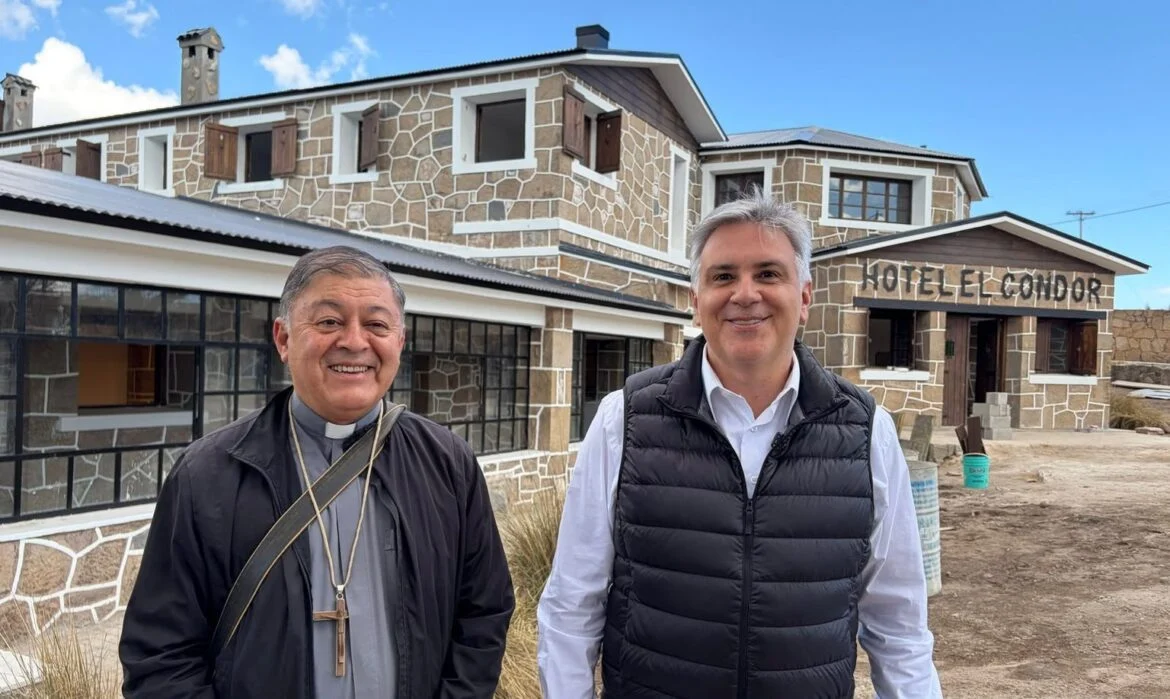
The first action will be the recovery of the Hotel El Condor, located in the Pampa de Achala, on Provincial Route 34 and in the heart of the Alta Cumbres landscape.
The building, currently unused, is part of the historical memory of this area of Córdoba and for decades served as a resting place for travelers, scientists and visitors who crossed the mountains.
Now it will have a new function: to become a great post for pilgrims.
The planned investment exceeds 1,500 million Argentine pesos and will allow the property to be rehabilitated while maintaining its architectural identity and its integration with the landscape.
The future hostel will have bedrooms, a dining room, kitchens, toilets, laundry rooms, common spaces and an oratory.
Renewable energies and universal accessibility measures will also be incorporated.
In a territory where the climate can change quickly and where the journey through the High Summits requires preparation, having a space for shelter and rest can become a fundamental piece for the development of the Camino.
A Welcome Center upon arrival at Villa Cura Brochero
The second major action will take place precisely in Villa Cura Brochero, final destination of the pilgrimage and inseparable place from the memory of the Gaucho Priest.
There will be built a new Pilgrim Reception Center, conceived as a space to receive and guide those who complete the route.
It will not just be an information point.
The project includes a large reception, spaces for tourist and spiritual care, bedrooms for temporary stays, reading and meditation rooms, a multipurpose room and a museum space dedicated to the life and work of Saint Joseph Gabriel Brochero.
It will also have a meeting patio presided over by an image of the saint.
The intention is that the pilgrim does not simply finish his journey and leave, but rather has a place to rest, better understand the figure of Brochero and share the experience he has had.
A path of about 240 kilometers
These actions are part of a much broader project.
He Brochero Road is around 240 kilometers and connects three essential places to understand the life of the Argentine saint.
The tour starts from Villa Santa Rosa de Río Primero, his hometown; passes through the city of Cordova, where he studied and received his religious training; and finally reaches Villa Cura Brochero, territory in which he developed a good part of his pastoral and social work.
Along this route, Córdoba aims to create a network of posts that allows organizing stages, offering services and discovering the numerous places linked to the history of the saint.
Chapels.
Historical buildings.
Landscapes.
Towns.
Places of prayer.
All of them can be part of a pilgrimage experience that goes far beyond walking.
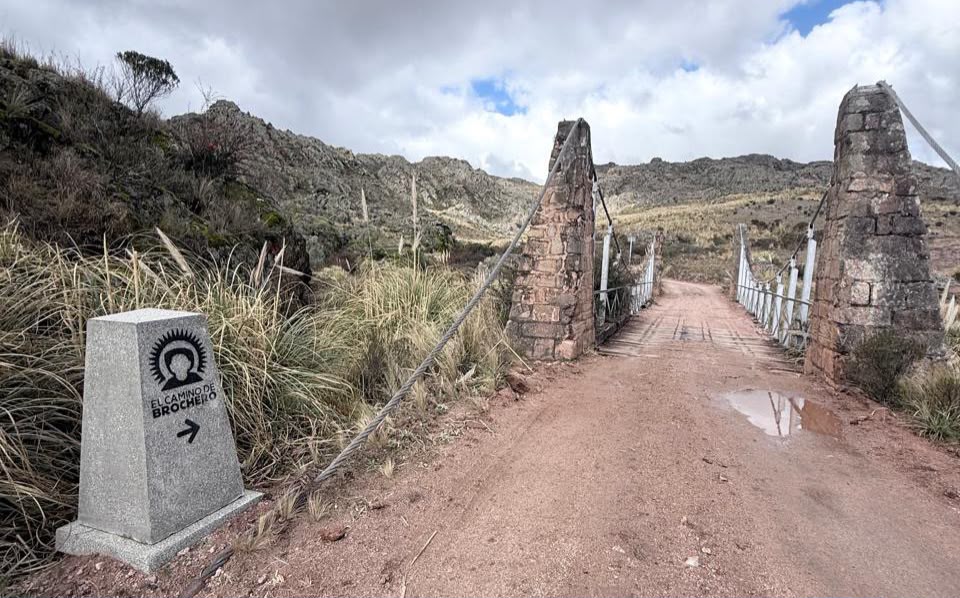
45 lighthouses already mark the route
The consolidation of the Camino does not begin with these two works.
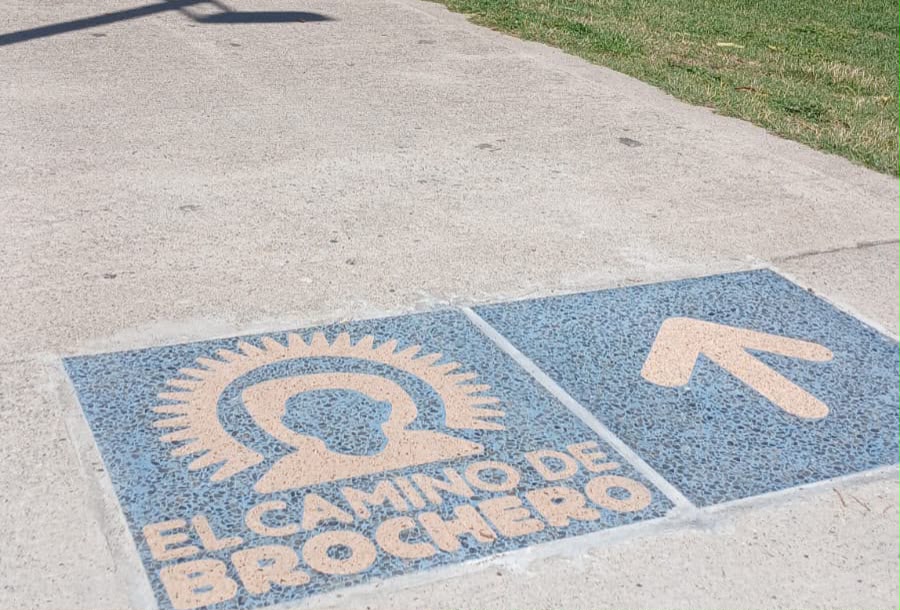
The Córdoba Tourism Agency has already installed 45 signal lights at different emblematic points of the itinerary.
These elements allow us to identify the places related to the life of Brochero and help to visually build a recognizable route for the pilgrim.
At the same time, work is being done with the municipalities and communes crossed by the Camino to locate new spaces of religious, cultural and tourist interest and improve the available services.
The goal is to ensure that the pilgrim can travel the Camino with an increasingly clear and organized infrastructure.
Also looking at the Camino de Santiago
The Argentine project observes with interest the experience of Camino de Santiago, where for decades the creation of shelters, reception centers, signage and services made it possible to transform an ancient European pilgrimage into one of the great cultural and spiritual routes in the world.
The differences between both Caminos are evident and each has its own history and identity, but they share a fundamental issue: a pilgrimage needs paths, but it also needs hospitality.
You need places to stop.
Where to sleep
Where to get information.
Where to feel welcomed.
And where to understand why you are walking.
Brochero, a saint who also built roads
There is also something especially symbolic in the fact that this route is committed precisely to improving infrastructure.
José Gabriel Brochero was not only a priest.
He traveled through the mountains for years, often on horseback, to reach isolated communities and actively worked to achieve roads, schools, water canals, communications and other improvements for the population.
His religious activity was always closely linked to the material improvement of people's lives.
That is why converting the paths he traveled into a pilgrimage route also means recovering part of that history.
December 2026, an important date
If the planned deadlines are met, both the new Parador El Cóndor and the Villa Cura Brochero Reception Center will be enabled in December 2026.
From then on, the Camino will have two very different but strategic infrastructures.
One will protect the pilgrim during the journey through the High Summits.
The other will receive it when it reaches the heart of Brochorian devotion.
Between both there is the same idea:
make walking in Brochero's footsteps a better organized, safer and also more human experience.
The Camino de Brochero continues to grow.
And Córdoba begins to prepare so that those who arrive from Argentina and other countries will find something that pilgrims know very well:
a path, a story and an open door at the end of the stage.