The Argentine province of Córdoba presents new actions at FIT 2026 to promote the Camino de Brochero, reinforces its relationship with the Camino de Santiago and is also committed to a gastronomic route that brings together 37 municipalities and 60 producers.
The Camino de Santiago continues to extend its international links, this time to the other side of the Atlantic Ocean. The Argentine province of Córdoba has taken advantage of the Latin American International Tourism Fair (FIT 2026), held in Buenos Aires from September 26 to 29, to present new projects linked to the Camino de Brochero and the promotion of its cultural, religious and gastronomic heritage.
The meeting has served to publicize investments aimed at improving the experience of pilgrims, promoting reception services and strengthening a relationship that is especially interesting for the Jacobean world: the connection between the Camino de Brochero, in Argentina, and the Camino de Santiago de Compostela.
In addition, the Córdoba authorities have presented the Cheese Trails, an initiative that aims to turn the provincial cheese tradition into a new tourist attraction.
The Camino de Brochero prepares new services for pilgrims
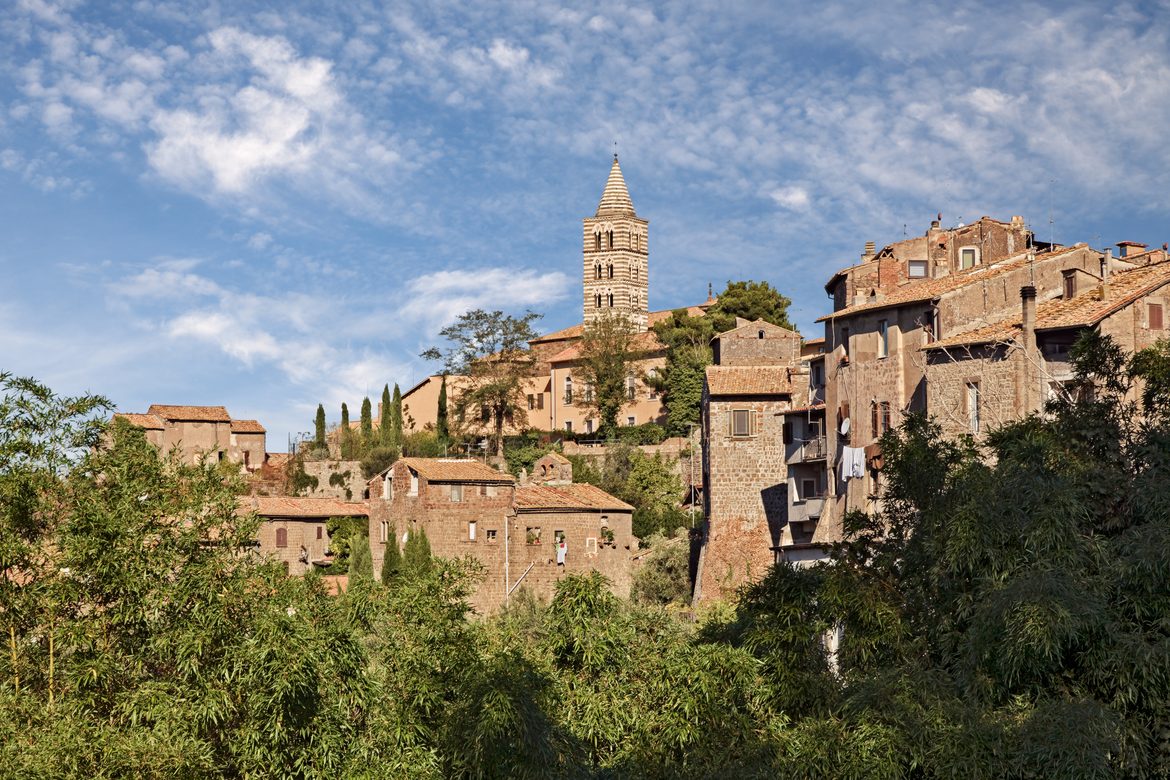
The Camino de Brochero is a pilgrimage itinerary that connects Villa Santa Rosa with Villa Cura Brochero, following the places linked to the life and work of Saint Cura Brochero, one of the most representative religious figures in Argentina.
Its route crosses mountain landscapes, rural towns and spaces related to the history of José Gabriel del Rosario Brochero, popularly known as the Gaucho Priest.
During the presentation in Buenos Aires, different actions were announced aimed at improving the organization and services of the itinerary.
Among the main novelties are new signage, the installation of identification markers and the development of an application that will offer real-time information to pilgrims.
Work is also being done on improving security services and on the recovery of the historic Hotel El Cóndor, located in the Altas Cumbres, which will be used to welcome those who travel this path.
Added to these initiatives is the construction of a Pilgrim Reception Center in Villa Cura Brochero, currently underway.
The actions seek to consolidate a route that combines spirituality, nature and history, making it easier for visitors to travel it with better services and more information.
The link with the Camino de Santiago gains prominence
One of the highlights of the presentation was the rapprochement between the Camino de Brochero and the Camino de Santiago.
Darío Capitani, president of the Córdoba Tourism Agency, valued the union between both pilgrim traditions and announced the delivery of the first two medals to people who had completed both the Compostela route and the Argentine itinerary.
The recognition has a special meaning, since it connects two religious destinations with different histories, but with numerous common elements.
The Camino de Santiago has an ancient tradition linked to the apostle Santiago, while the Camino de Brochero follows in the footsteps of an Argentine priest whose religious and social work left a deep mark on the communities in the interior of Córdoba.
Both itineraries allow you to discover landscapes, towns and cultural heritage, but they also represent personal experiences that can go far beyond conventional tourism.
For Córdoba, this relationship represents an opportunity to establish new international connections and bring the legacy of Cura Brochero closer to pilgrims who already know the European Jacobean routes.
An opportunity for small towns
The development of the Camino de Brochero also has an important territorial component.
The existence of a pilgrimage route can generate economic activity in localities that would otherwise have greater difficulty attracting visitors.
Pilgrims need accommodation, restaurants, shops, transportation and information services. Its presence can also favor the conservation of heritage and the recovery of historic buildings.
The Córdoba Tourism Agency considers that the Camino de Brochero can contribute to progress and connection between different towns in the province.
The challenge, as happens on many Jacobean routes, is to ensure that tourism growth truly benefits local communities without losing the cultural and spiritual identity of the itinerary.
Therefore, investments in signage, security and reception are especially relevant for its future.
Córdoba also presents the Cheese Trails
The second major proposal presented by Córdoba at FIT 2026 is linked to gastronomy.
Under the name of Caminos del Queso Córdoba, the province has designed a tourist experience that, in its first stage, brings together 37 municipalities and 60 producers.
The initiative aims to bring visitors closer to the world of cheese production through tours of establishments, meetings with producers and activities related to the production processes.
During the fair, tastings, presentations and talks with specialists have been organized, who have explained the characteristics of the different varieties of Cordoban cheeses.
The proposal will allow you to learn how producers work, discover the gastronomic traditions of different locations and acquire regional products.
Although the Cheese Trail has a different purpose than religious pilgrimage, both initiatives share a territorial philosophy: taking advantage of cultural and productive resources to promote tourism in the interior of Córdoba.
Religious tourism and gastronomy, two complementary paths
The joint presentation of the Camino de Brochero and the Caminos del Queso reflects a tourism strategy that combines different travel motivations.
On the one hand, visitors interested in religious heritage can visit places linked to the life of the Holy Priest Brochero.
On the other hand, those looking for gastronomic experiences have the possibility of meeting the producers directly and discovering the flavors of the province.
Both models can contribute to expanding opportunities for municipalities, especially in rural areas where tourism represents a complementary source of income.
This combination also recalls the historical relationship between pilgrimage and gastronomy that we find on the Camino de Santiago, where local products, traditional recipes and hospitality are part of the walkers' experience.
The expectation of a possible visit by Pope Leo XIV
During his speech at the International Tourism Fair, Darío Capitani also referred to the possibility of Pope Leo XIV visiting Córdoba.
The tourism manager expressed his expectation of the impact that a papal visit could have to publicize the Camino de Brochero and its religious heritage.
However, this is a possibility mentioned by the Córdoba authorities and not a confirmed visit.
Meanwhile, the province continues to develop its tourism promotion projects and improve services linked to pilgrimage.
Two paths separated by the ocean, united by pilgrimage
The Camino de Brochero and the Camino de Santiago have their own stories and belong to different traditions. However, both share values that pilgrims easily recognize: the effort of walking, meeting other people, hospitality and the importance of heritage.
The recognition of those who have completed both routes constitutes a symbol of that growing connection between Argentina and Spain.
For the international Jacobean community, initiatives like this show that the culture of pilgrimage continues to generate relationships between very distant territories.
Córdoba wants to make its Camino de Brochero known, strengthen its services and turn it into an experience capable of attracting both Argentine and international visitors.
And the approach to the Camino de Santiago represents an opportunity to share knowledge, promote exchanges and establish new relationships between both pilgrim communities.
Because the paths may have different destinations, but hospitality and the spirit of pilgrimage know no borders.