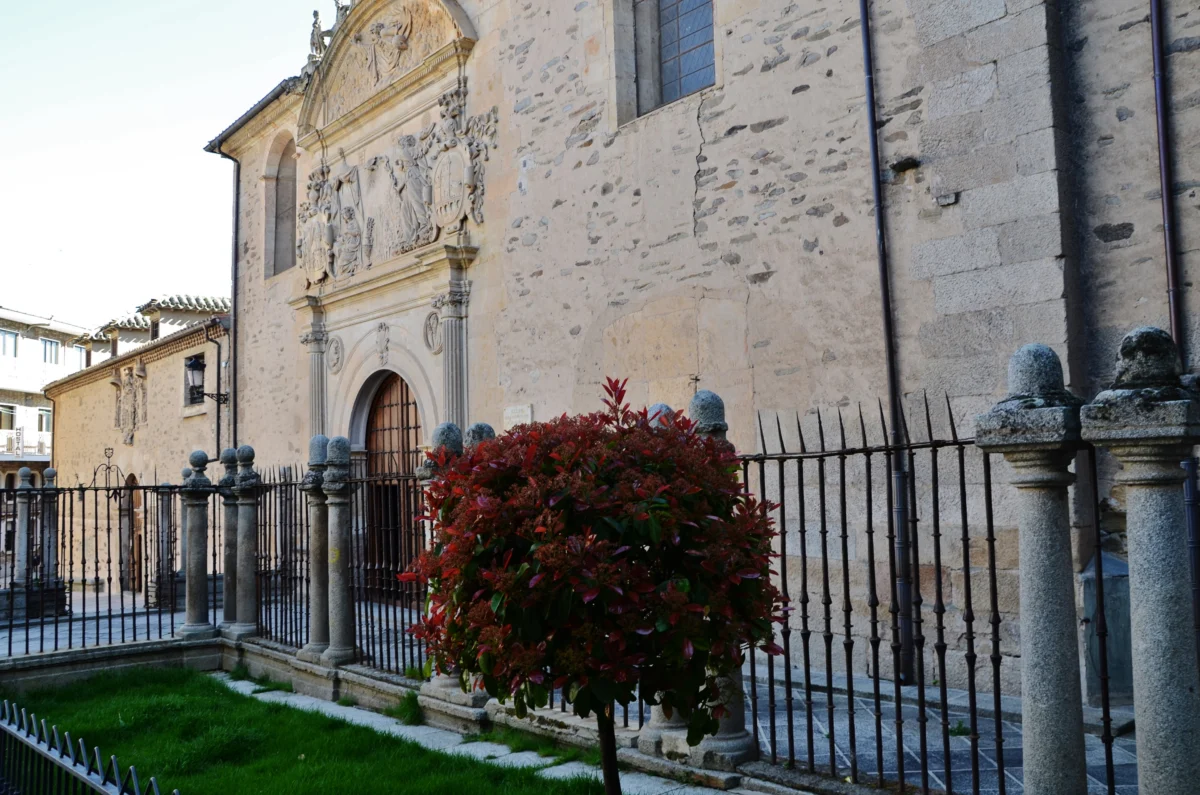
What if a pilgrim's next trip led him to discover the footprints of Saint Teresa of Jesus? The Provincial Council of Salamanca presented Caminos de Luz on November 13 at INTUR, in Valladolid, Salamanca, an initiative that wants to bring visitors closer to the spiritual itineraries and religious heritage of the province.
The provincial president, David Mingo, and the Tourism Deputy, Juan Carlos Zaballos, announced the proposal at the fair. For readers of RTV Camino de Santiago, the news offers an opportunity to look beyond the routes that end in Compostela and discover other pilgrimage traditions of our country.
The initiative does not represent the inauguration of a single new path. This is a brand that will bring together existing resources and promote future experiences. Its interest is precisely in connecting places that today can be visited separately.
Alba de Tormes, in the footsteps of Saint Teresa
Alba de Tormes is one of the essential stops to understand Carmelite spirituality. Saint Teresa died there in 1582 and her tomb is preserved in the church of the convent of the Annunciation. For those who come attracted by her figure, the visit allows them to get closer to a woman whose written work continues to be read centuries later.
The trip can begin with a visit to the convent and continue through the streets of the town. It is not necessary to undertake a long walk to discover the value of these spaces, although the Teresian itineraries allow the route to be given a more leisurely dimension.
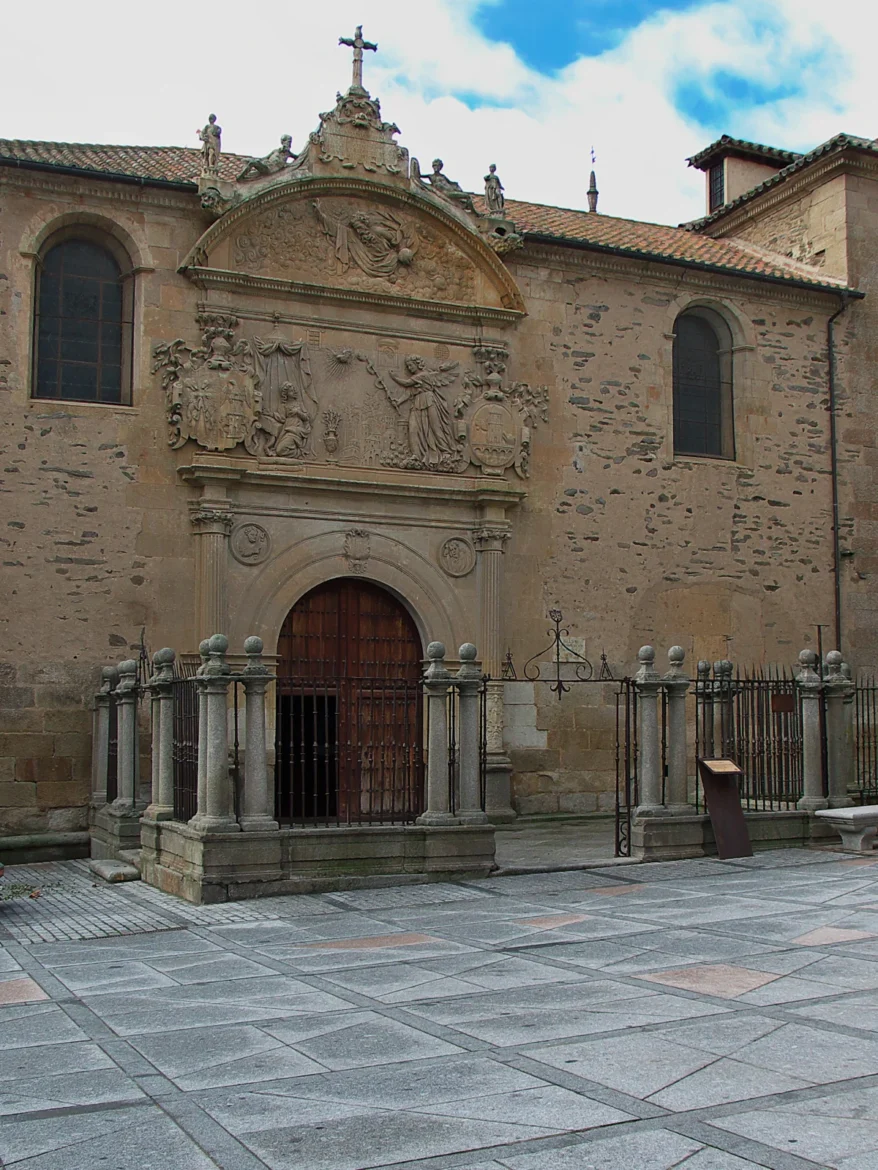
The presentation also recalled the connection of San Juan de la Cruz with Mancera de Abajo and Alba de Tormes. His trajectory helps to understand the reform of Carmel and offers another reason to visit these towns with a historical perspective.
From the pastures to the Peña de Francia sanctuary
The new brand incorporates as references the Camino de San Francisco de Asís, which crosses the landscapes of Campo Charro, and the Peña de Francia, a destination of Marian devotion. They are different experiences: one invites you to explore the territory and the other has a mountain sanctuary as its center.
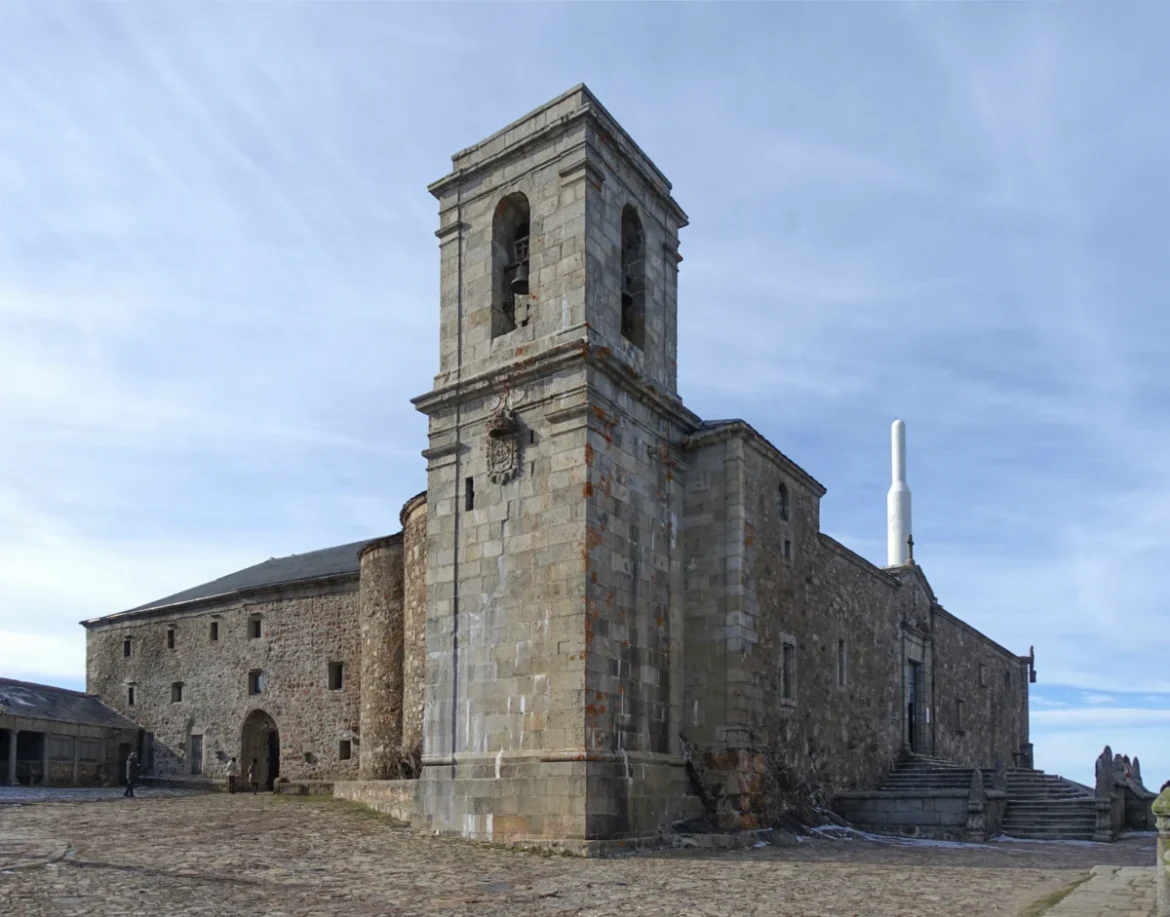
At the Peña de Francia, the landscape is part of the experience. The visitor finds an environment that invites silence and contemplation of the Sierra de Francia. Whoever decides to approach on foot should find out about the access, the slope and the weather conditions, especially in winter.
The Mudejar Route will also take place. Its churches allow us to appreciate how religious architecture preserves the memory of the trades, materials and communities that built these buildings.
A project that has yet to take shape
The Provincial Council has planned three steps to develop Caminos de Luz: first, make the brand known through digital resources; then, incorporate places into a territorial network; and finally, design new experiences for travelers.
The announcement contemplates collaboration with dioceses, congregations, municipalities and associations. This coordination will be important so that the promotion translates into well-organized visits and benefits for rural populations.
For the pilgrim, practical information will be decisive. Knowing when a church opens, how to get to a sanctuary, or where to sleep can determine whether an itinerary is viable. For now, the presentation does not establish a complete opening schedule for new routes or a definitive catalog of services.
A look from the Camino de Santiago
Salamanca is also Jacobean territory thanks to the Vía de la Plata. Those who follow this itinerary can find reasons in the province to extend their stay and discover other places of spirituality. It is important to distinguish, however, the Teresian and Franciscan paths from the routes that lead to Santiago: each tradition has its own history and destiny.
From RTV we will follow the evolution of this initiative, especially when the routes and resources for those who wish to travel on foot are finalized. Meanwhile, visitors can consult the tourist information of the municipalities and confirm the hours of the monuments before organizing their trip.
The pilgrimage does not end in a single goal: Salamanca offers new reasons to discover the spiritual heritage of our paths.
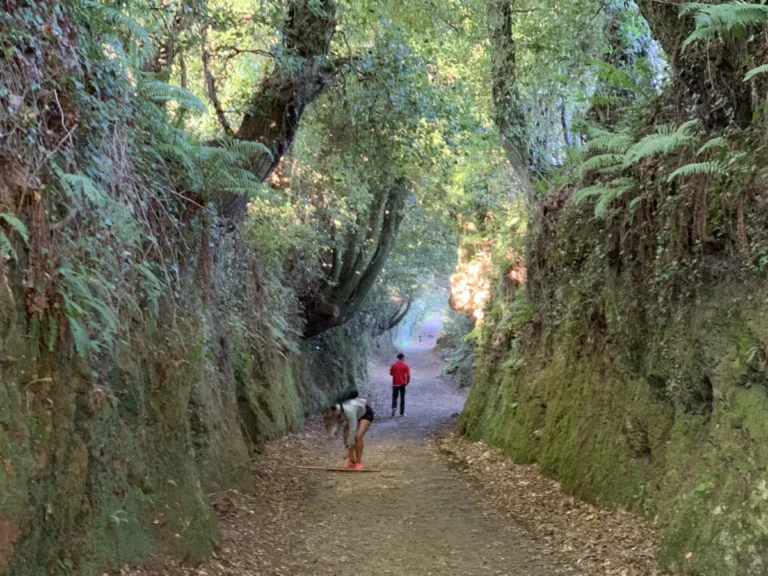
Featured image: María Rosa Ferré · CC BY-SA 2.0 · Wikimedia Commons. Resized stock photos.
Sources: Provincial Council of Salamanca, November 13; Salamanca24 hours.
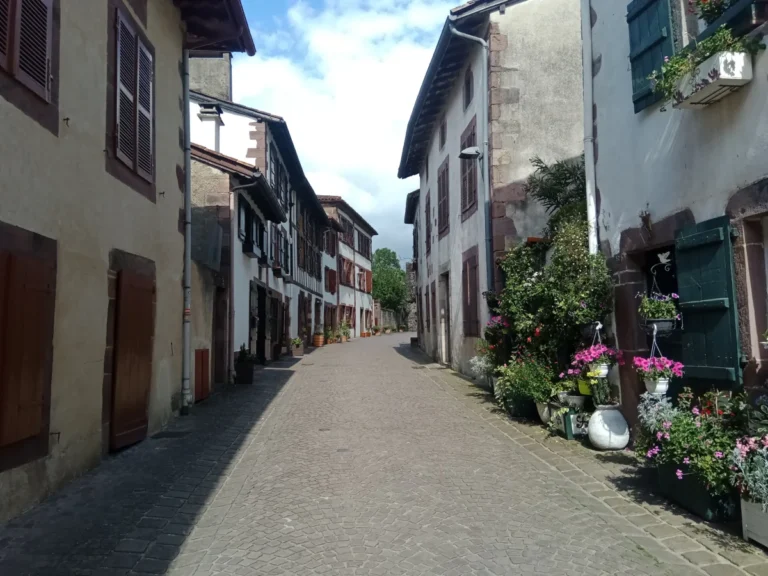
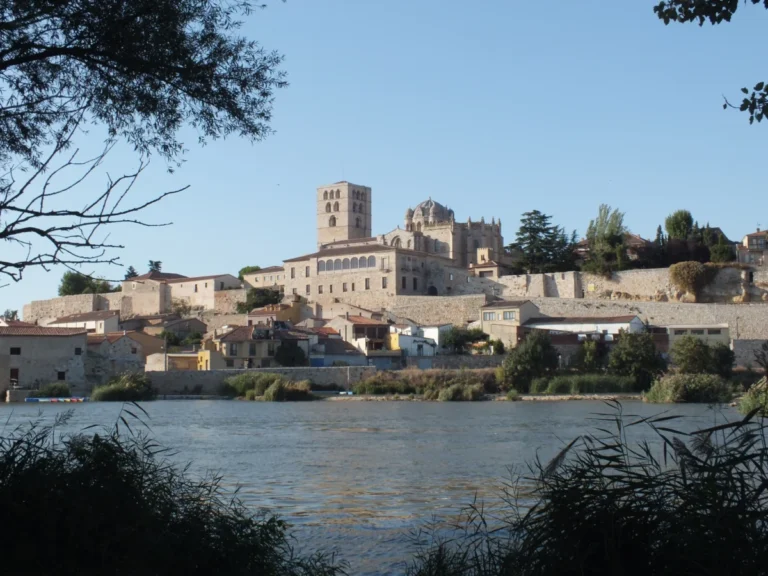
Images: Photo: José Luis Filpo Cabana · CC BY 3.0 · Wikimedia Commons | Photo: Rodelar · CC BY-SA 4.0 · Wikimedia Commons.