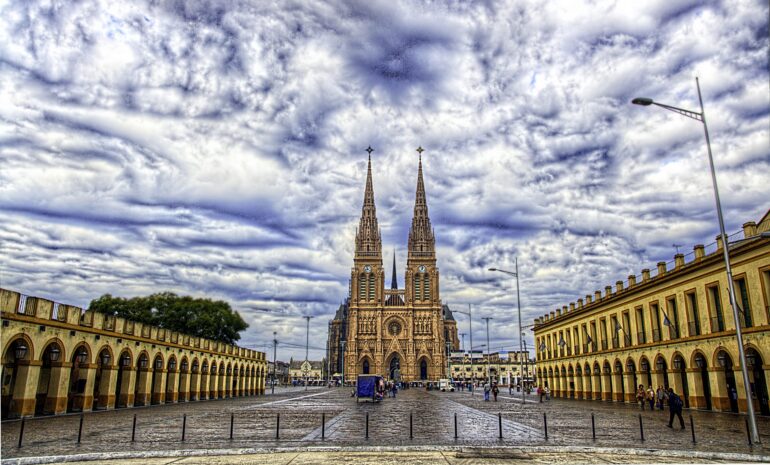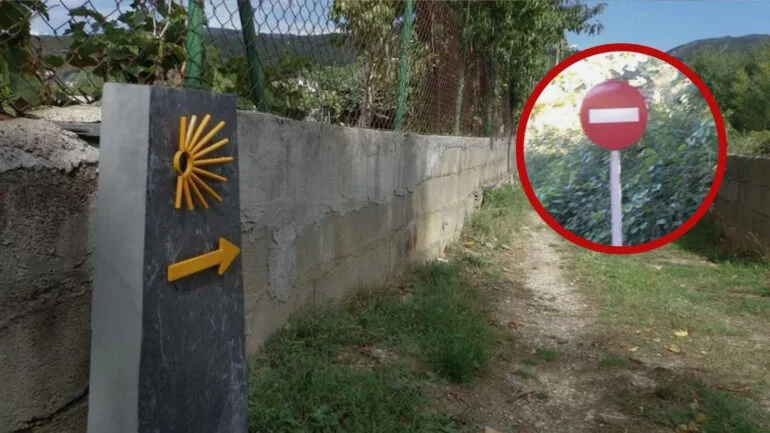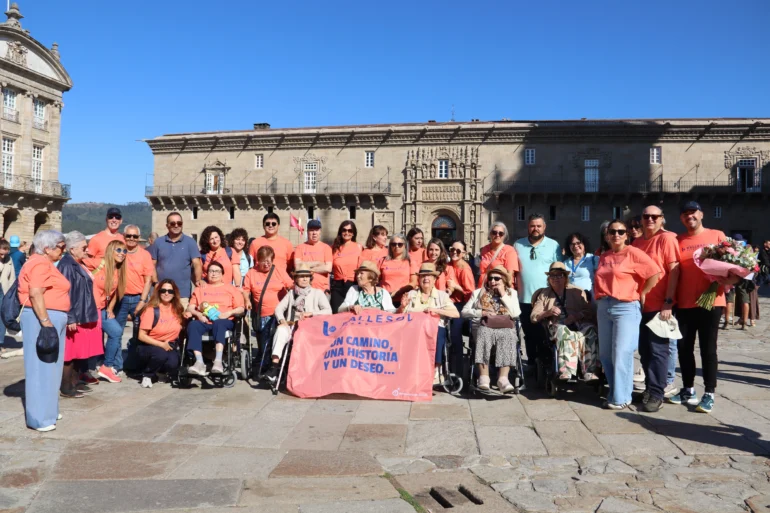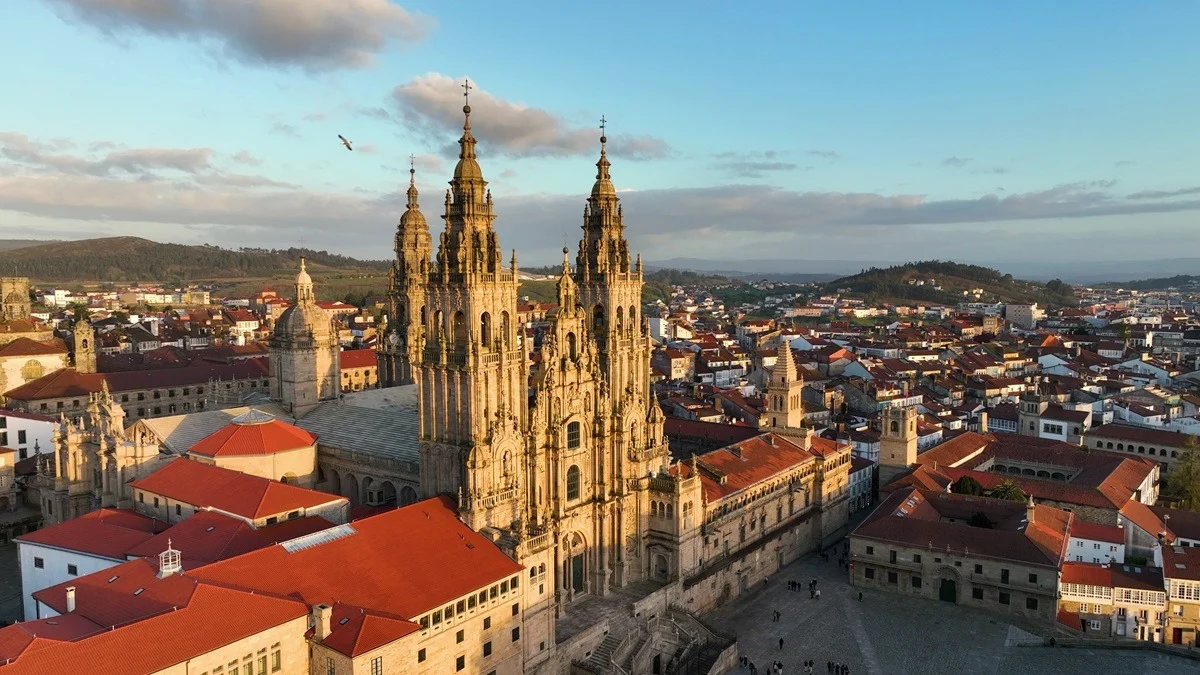
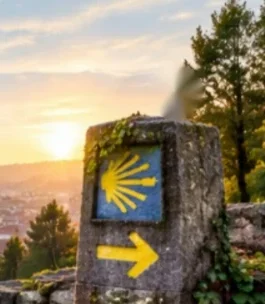


In recent decades, the Camí de Sant Jaume has experimentat a steady rise in popularity. Durant el 1993 i el 2023, el número de persones guanyen el route increased de 99,000 a 446,000, fent un most most freqüents pilgrimage paths en el món. Aquest interès ha fet significant econòmics benefits per tots els establiments al llarg del route, ofereixen affected per depopulation, especialment al smaller villages. According to a study conducted by the Galician Regional Government in 2018, the majority of residents believe that the benefits of tourism outweigh the drawbacks. However, there is a downside. During peak seasons, the large influx of pilgrims causes significant disruptions for local communities: in Santiago de Compostel·la, al centre de les feines tenen 100,000 residents, incrementar el nombre de visitors és la creació de semblants similars a tots els populars europeus. Barcelona or Venice.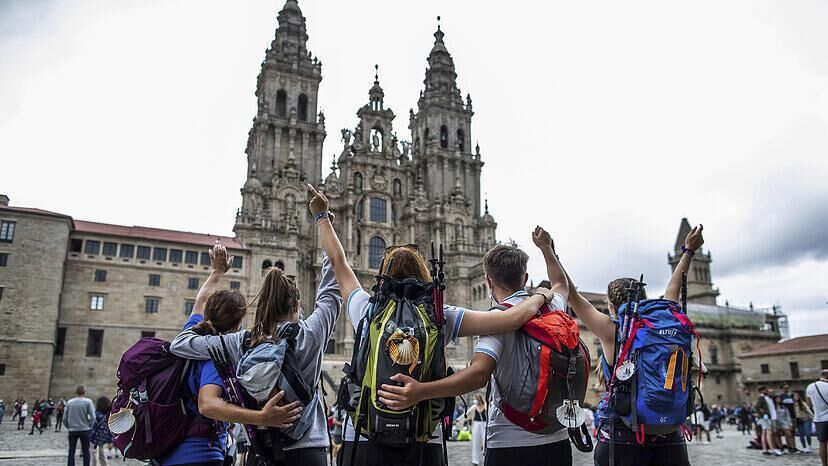
In Santiago's historic center, shops catering to local residents have largely been replaced by businesses aimed at tourists, such as souvenir stores. The real estate market ha as been affected: nombrosos apartments previously rented to students and locals ha be be converted into vacation rentals and Airbnb properties, contributing to rising housing prices. Highlighting thes changes, en Instagram account named @compostelaresiste documents impact de turisme en la ciutat mitjançant imatges i reflections. Meanwhile, the municipality has issued guidelines on how to be more responsible tourists towards the city and its residents. Sarria, a town town in northwestern Spain with around 14,000 inhabitants, has also been affected by this transformation. Situat al llarg de la frontenca del camí, el most popular apartat de les taxes de Santiago, Sarria va aconseguir 130.000 visitors el 2023. Acomiada els modessos i limitada històrica heritage, la ciutat és novella businesses catering to pilgrims, including trekking gear stores and souvenir shops.