

Why the Journey Doesn’t End at the Cathedral
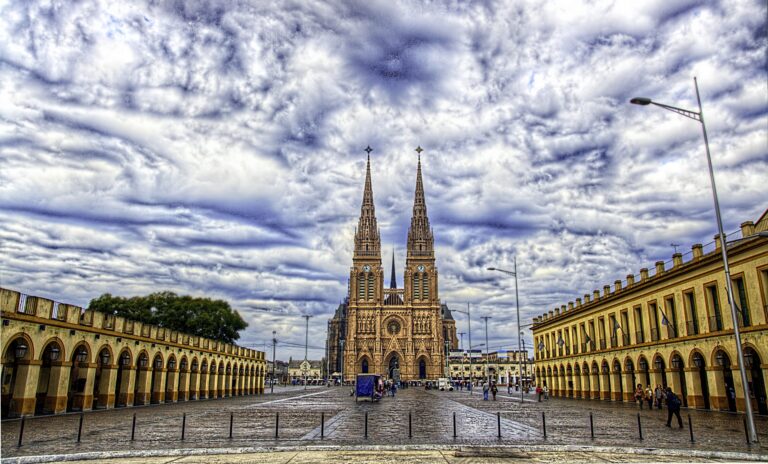
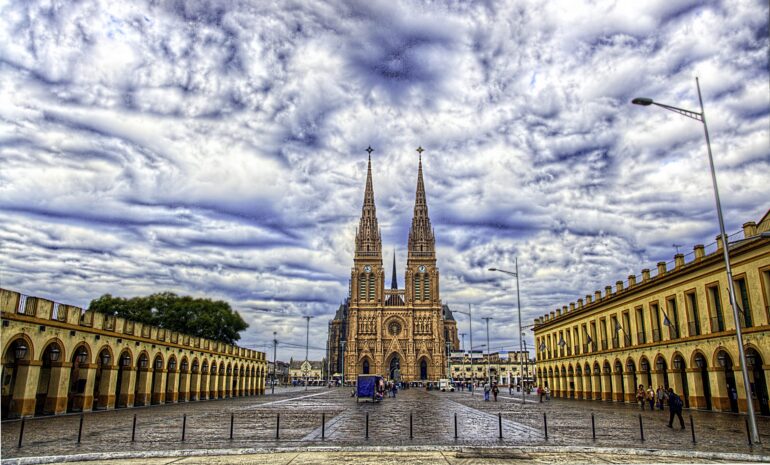
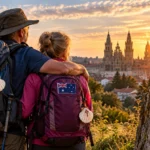
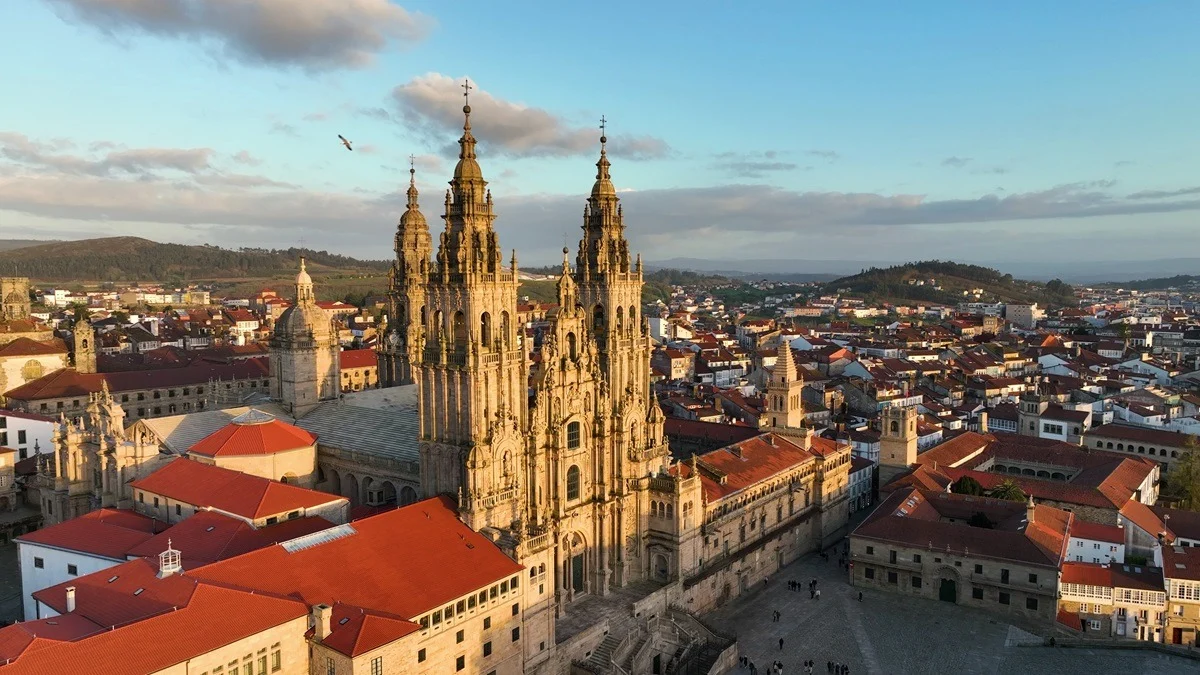
For thousands of pilgrims every year, arriving at Santiago de Compostela is supposed to be the happiest moment of the entire Camino de Santiago. After weeks of walking, countless conversations, shared meals, blisters, and unforgettable landscapes, the famous towers of the Cathedral finally appear on the horizon.
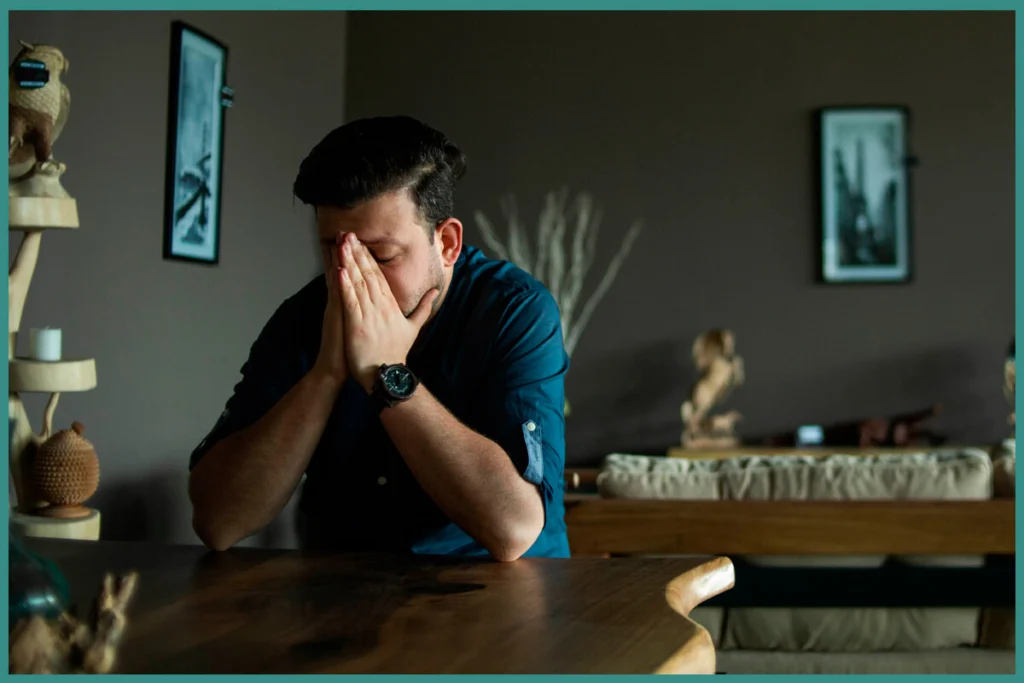
Yet for many pilgrims, something unexpected happens after the celebration ends.
They feel empty.
This phenomenon, often called Post-Camino Depression, is becoming increasingly recognized within the international Camino community. It affects pilgrims who discover that the hardest part of the journey is not reaching Santiago — it is returning home.
![Backpack, hat, and muddy hiking boots on a wooden table by a rainy window, with a map and seashell nearby.]?](https://caminodesantiagortv.com/wp-content/uploads/2026/06/33388fb8-b193-4f46-b876-31be691b4039-2026-06-04-33388fb8-b193-4f46-b876-31be691b4039-770x513.png.webp)
The Story of a Pilgrim Changed by the Camino
The Camino de Santiago is much more than a hiking route across Spain. For many people, it becomes a personal transformation.
Along the way, pilgrims leave behind daily stress, work obligations, social pressures, and digital distractions. Life becomes beautifully simple: wake up, walk, meet people, eat, rest, and repeat.
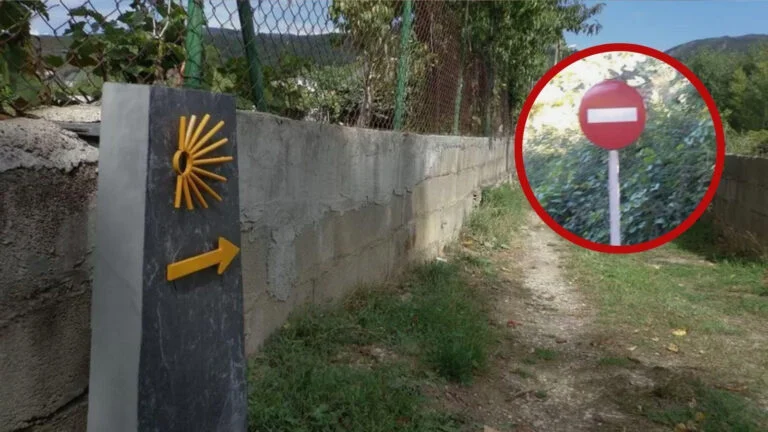
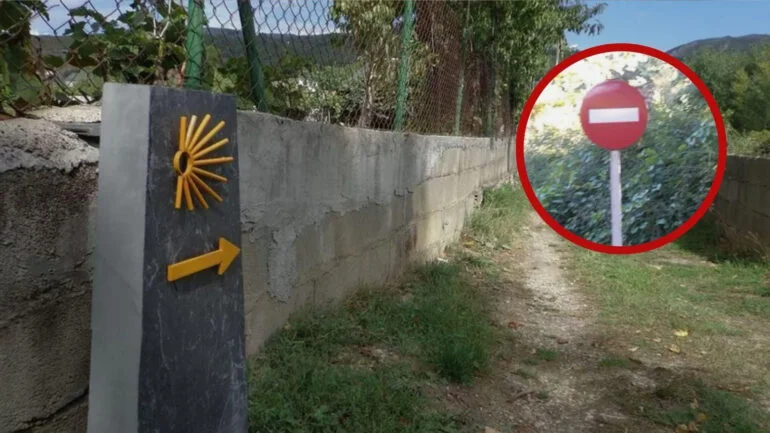
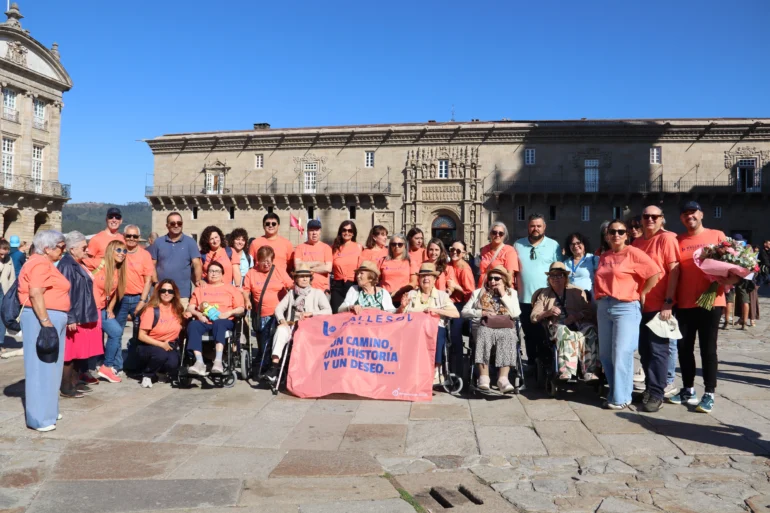
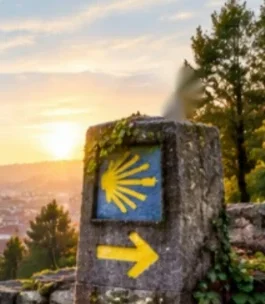
Day after day, strangers become friends. Small villages become temporary homes. Every yellow arrow offers a sense of direction and purpose.
Then, suddenly, it ends.
The pilgrim who spent weeks following a clear path often returns home to a world that feels completely different.
When the Goal Disappears
Many pilgrims describe a feeling of loss after completing the Camino.
For weeks, their lives revolved around a single objective: reaching Santiago de Compostela. Every step had meaning. Every day brought a new challenge and a new reward.
Once that goal is achieved, a difficult question appears:
«What comes next?»
Experts explain that this emotional reaction is common after accomplishing major life goals. The Camino creates powerful experiences and personal growth, making the return to ordinary routines feel surprisingly difficult.
The Real Meaning of the Camino
Veteran pilgrims often say that the Camino begins long before the first step and continues long after the last one.
The lessons learned on the trail do not disappear at the Cathedral. They travel home with the pilgrim.
Patience.
Resilience.
Gratitude.
Friendship.
The ability to slow down and appreciate simple moments.
These are the true souvenirs of the Camino de Santiago.
A New Journey Begins
Many former pilgrims eventually discover that Santiago is not the end of their story.
Some return to walk another route. Others volunteer in pilgrim hostels. Many stay connected with friends they met along the way or share their experiences through writing, photography, and social media.
The Camino may end physically in Santiago de Compostela, but emotionally it often becomes a lifelong journey.
Perhaps that is why so many pilgrims find themselves looking at old photos, remembering distant trails, and quietly asking the same question:
«When can I walk the Camino again?»
Because the greatest secret of the Camino de Santiago is that reaching Santiago is never really the finish line. It is simply the beginning of a new chapter.