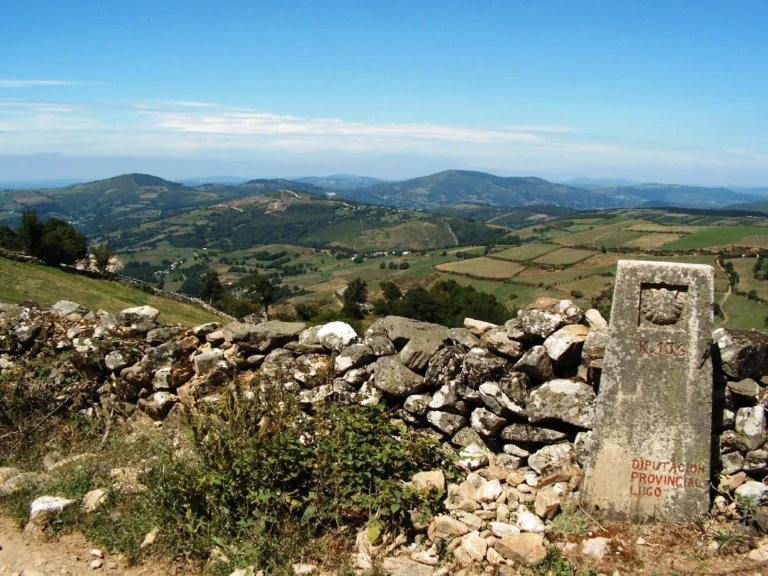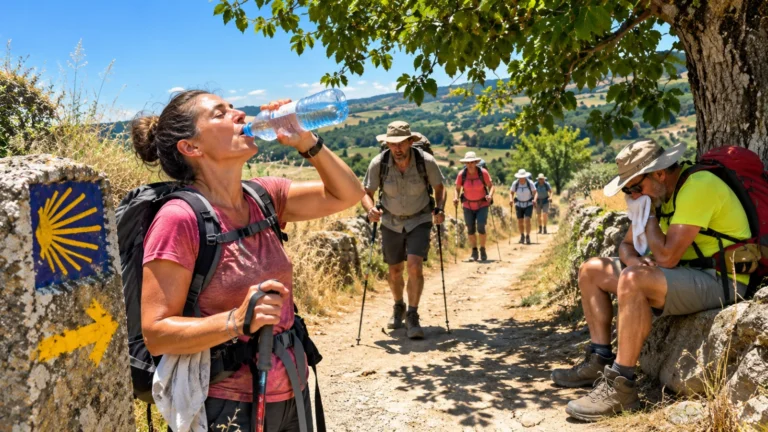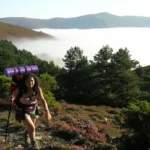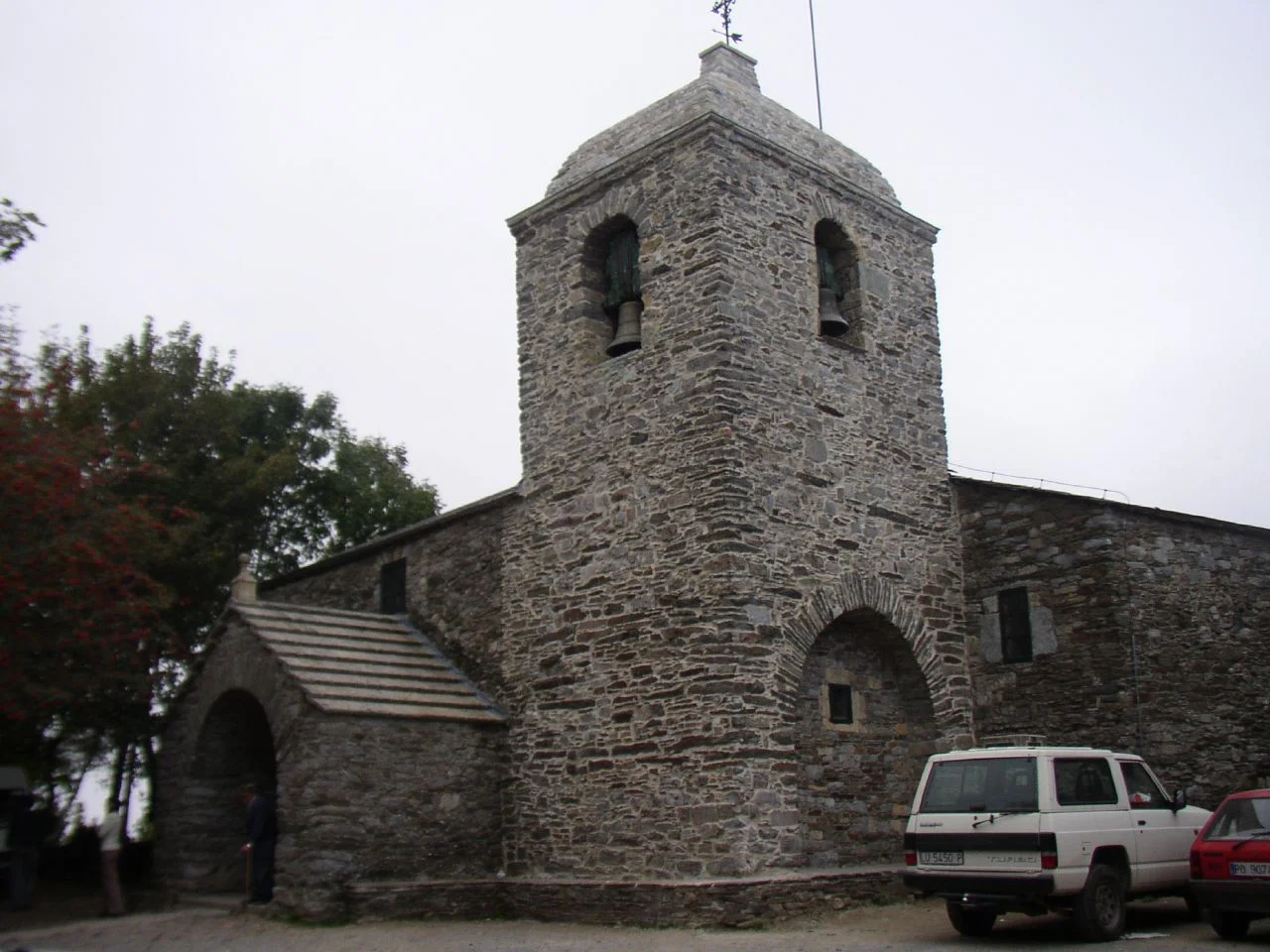
O Cebreiro welcomes the pilgrims of the French Way upon their arrival in Galicia. The small village, between mountains, preserves pallozas and a stone church whose history is related to one of the best-known religious traditions of the route: the so-called Eucharistic miracle of O Cebreiro. The narrative has been passed down from generation to generation, and its chalice came to be symbolically associated with the image of the Holy Grail.
The farmer who came despite the storm
According to the traditional story, a resident of the village of Barxamaior walked to the church of O Cebreiro to attend mass. One day the snow and wind storm made the trip especially difficult. Despite this, he went to the temple, where the priest, surprised by the effort, would have questioned whether it was worth traveling such a distance in such conditions. The versions narrated over the centuries differ in several details and in the dating of the episode.
The chalice and the miracle
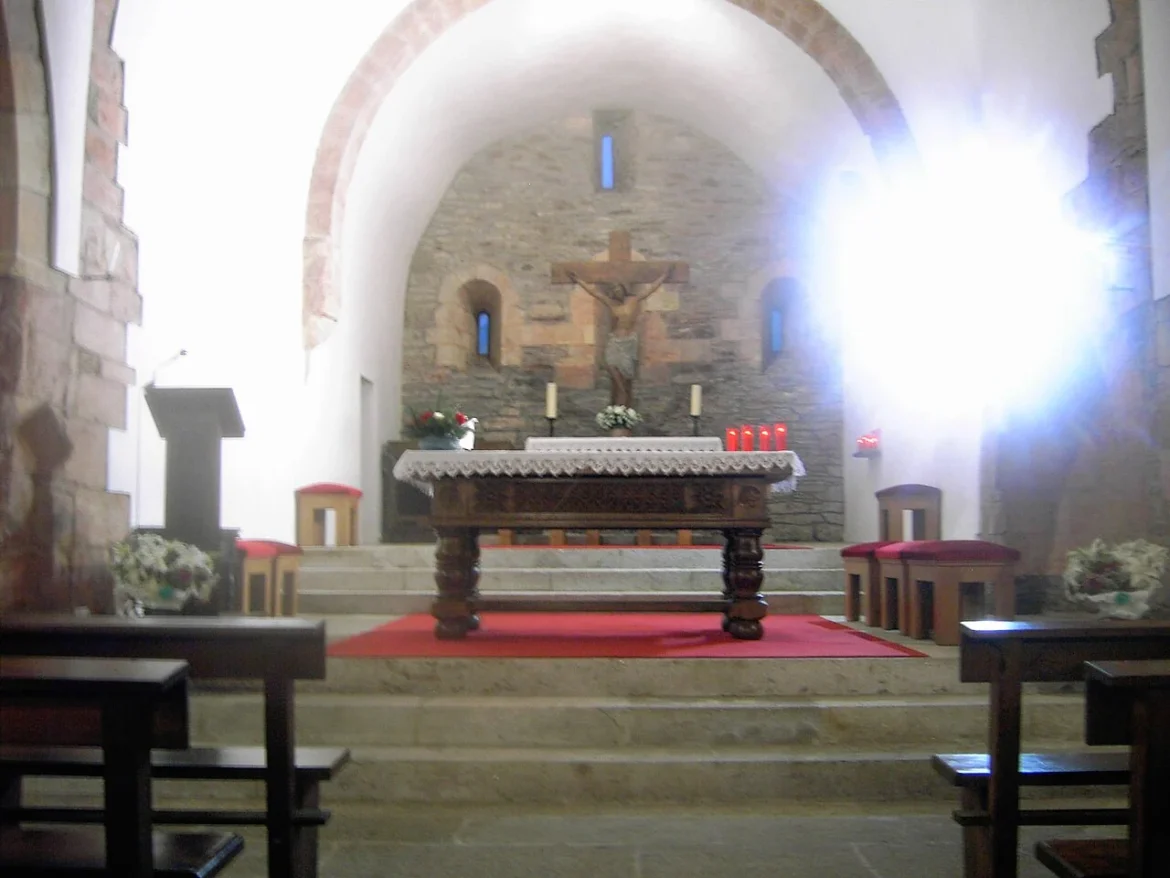
Tradition says that during the consecration the bread was transformed into meat and the wine into blood before the priest. The story is transmitted as a Eucharistic miracle, within the Catholic faith. It is important to distinguish the devotional story from what can be proven documentary. Yes, the church, the medieval chalice and paten preserved there are real, as well as the long history of veneration that has made them famous.
From Cebreiro to the symbol of Galicia
The Provincial Council of Lugo remembers the importance of the story of the so-called Holy Grail of Cebreiro for the Galician symbolic heritage. The representation of a chalice is also part of the coat of arms of Galicia, although its complex heraldic history should not be simplified by reducing it to a single legend. The temple of Santa María la Real occupies a special place in the memory of those who enter Galicia walking from Castilla y León.
The sanctuary that can be visited
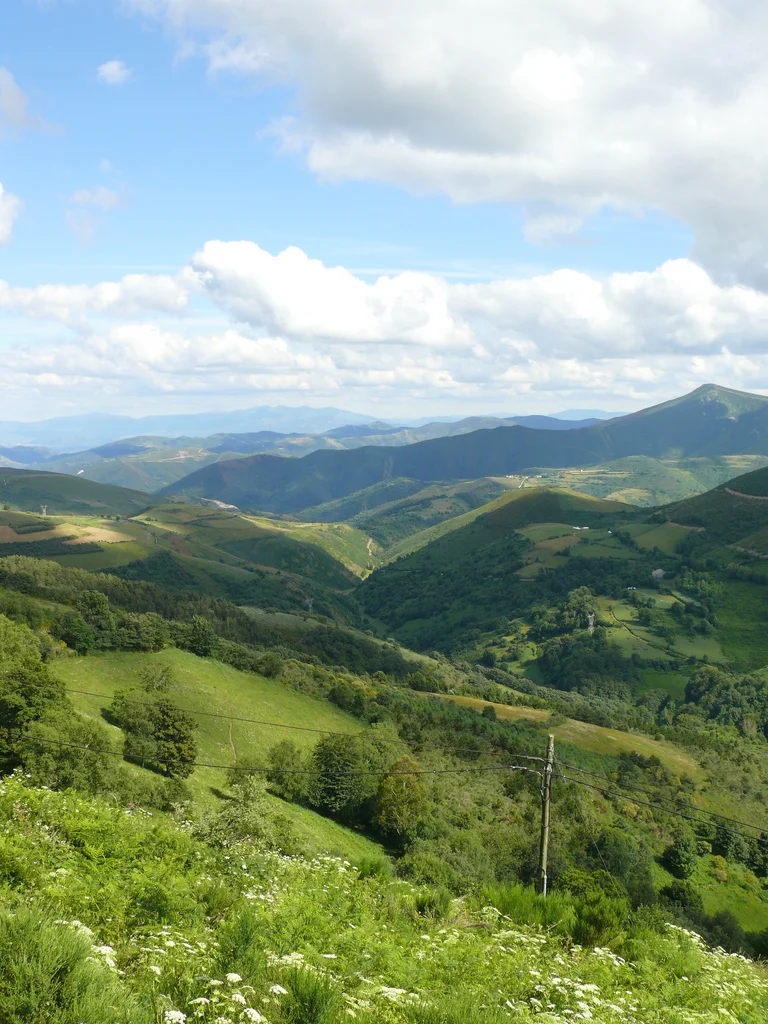
The church of Santa María la Real is a building of great interest for its architecture and its continuity as a place of worship. The pilgrim can approach the space related to tradition, walk the streets of the village and observe the landscape of Los Ancares. It is advisable to respect the celebrations and check the visiting hours. The architecture and preserved objects allow us to contextualize a narrative that for centuries has had a strong spiritual meaning for many walkers.
A story about perseverance
Aside from religious interpretations, the legend contrasts two attitudes: that of the peasant who does not abandon his purpose despite the storm and that of the priest who doubts his effort. This tension makes the story still understandable to those who walk today. The beauty of O Cebreiro also invites us to wonder about all the anonymous people who supported the pilgrimage throughout history, long before the arrival of contemporary visitors.
Sources: Lugo Provincial Council: The Holy Grail of Cebreiro; GaliciaAberta: The oldest temple on the Camino de Santiago; Federation of Associations: Miracles and Jacobean legends
Images: Photo and license: Wikimedia Commons.