Astorga, a unique destination where Rome, Gothic and modernism coexist
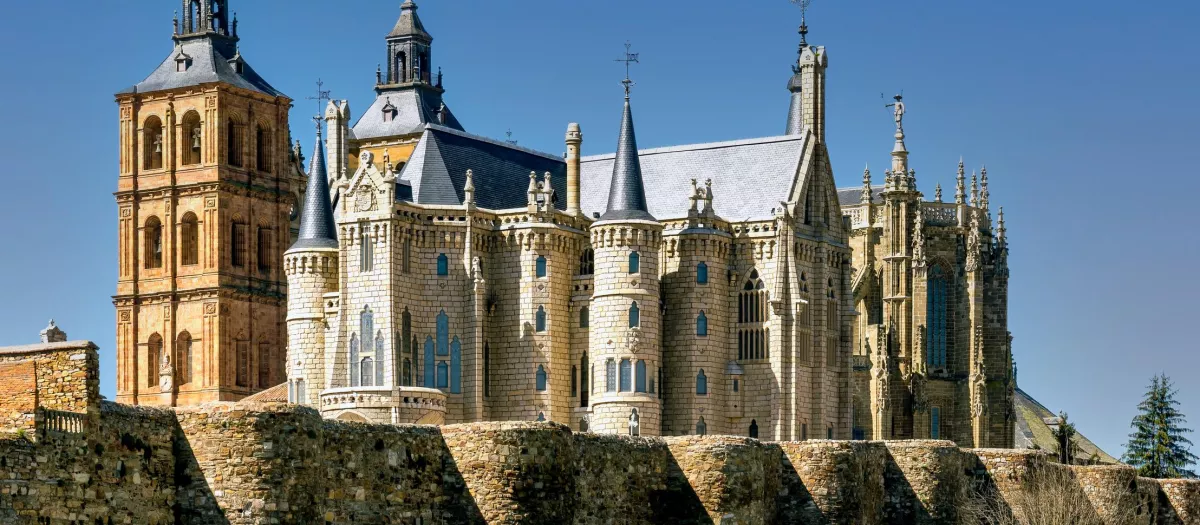
The city of Astorga has become one of the most surprising cultural destinations in Spain thanks to a unique enclave where more than 15 centuries of history are concentrated in a single point. From the Melgar Park, visitors can contemplate an exceptional panoramic view in which Roman vestiges, Gothic architecture and modernist works coexist.
This corner of Castilla y León stands out for offering a unique visual experience: without barely moving, the visitor can travel through centuries of artistic and architectural evolution, turning Astorga into a benchmark for cultural and heritage tourism in Spain.
A journey through time from Roman times to modernism
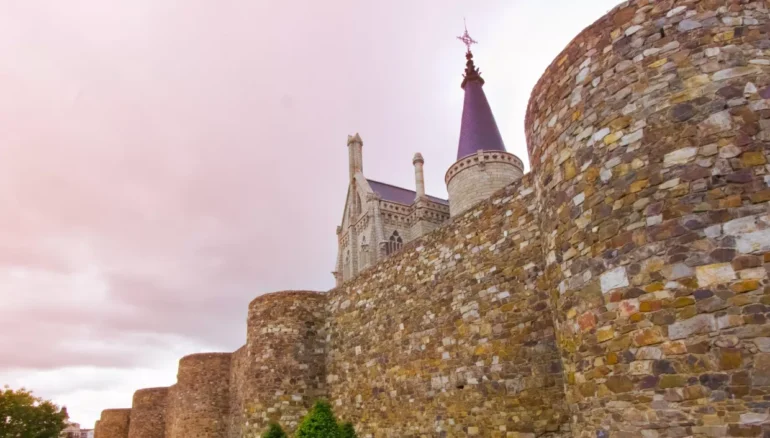
The origin of this historical wealth dates back to Roman times, when Astorga was known as Asturica Augusta, an important city of the Empire. Even today, the Roman wall retains much of its original structure, reflecting the solidity of the military engineering of the time.
Built between the 1st and 3rd centuries, this wall surrounds the historic center and has become one of the most emblematic elements of the city. Its extension and state of conservation allow us to understand the strategic importance that this enclave had in ancient times.
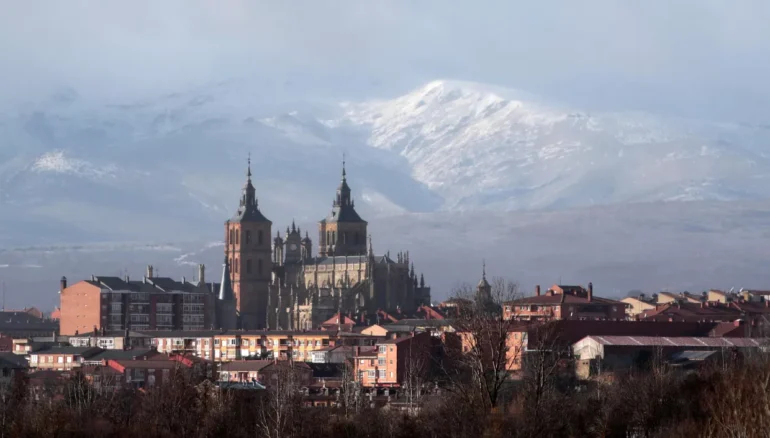
On this historical base rises the imposing Cathedral of Santa María, a jewel of Gothic art that began to be built in the 15th century on a previous temple. Its architecture, its towers and its interior make it one of the most outstanding cathedrals in northern Spain.
Gaudí's Episcopal Palace: the modernist touch in León
One of the most surprising elements of this panorama is the Episcopal Palace, the work of architect Antoni Gaudí. This modernist building breaks with the traditional aesthetics of the surroundings and provides a unique contrast that reinforces the artistic value of the complex.
The palace, built at the end of the 19th century, stands out for its innovative forms, its reinterpreted neo-Gothic style and its integration into the urban landscape. Its presence makes Astorga one of the few places where you can observe the evolution of art from Rome to modernism in a single glance.
A unique enclave in Spain for cultural tourism
What makes Astorga special is not only the richness of its monuments, but the possibility of contemplating them all from the same point. From the Melgar Park, the visitor can observe:
- The Roman wall
- The gothic cathedral
- Gaudí's modernist palace
This combination creates a unique image in Spain, where different historical eras are superimposed in a single panorama.
These types of experiences are increasingly valued by tourists, who are looking for destinations capable of offering history, culture and authenticity in the same place.
Astorga and the Camino de Santiago: a key point for pilgrims
In addition to its historical value, Astorga is a fundamental stop on the Camino de Santiago, which increases its tourist attraction. Every year, thousands of pilgrims pass through the city, discovering its heritage and history.
The passage of the Camino has contributed to keeping the city alive over the centuries, turning it into a meeting point between cultures and traditions. This constant flow of visitors reinforces its position as a strategic destination within tourism in Spain.
Tourism and economic impact on Castile and León
The rise of cultural tourism in places like Astorga has a direct impact on the local economy. The city attracts visitors interested in:
- History and heritage
- Architecture and art
- Religious tourism
- Cultural experiences
This type of tourism generates benefits in sectors such as hospitality, commerce and tourist services, promoting the economic development of the region.
The value of historical heritage in the digital age
The growing interest in destinations like Astorga is also reflected in the digital world. Searches related to keywords such as Astorga tourism, what to see in León, Roman wall Astorga o Gaudí palace in León are on the rise.
This turns this type of content into an opportunity to generate web traffic and monetize through platforms such as Google AdSense. Well-positioned articles on cultural tourism usually attract a constant and high-interest audience.
Conclusion: Astorga, a historical jewel in the heart of León
Astorga represents a unique combination of history, art and culture difficult to find elsewhere. The possibility of contemplating 15 centuries of architectural evolution in a single glance makes this city an essential destination.
Its Roman legacy, its Gothic richness and its modernist touch position it as one of the most complete enclaves in Castilla y León. In a context where cultural tourism is booming, Astorga is consolidated as one of the great jewels of Spanish heritage.