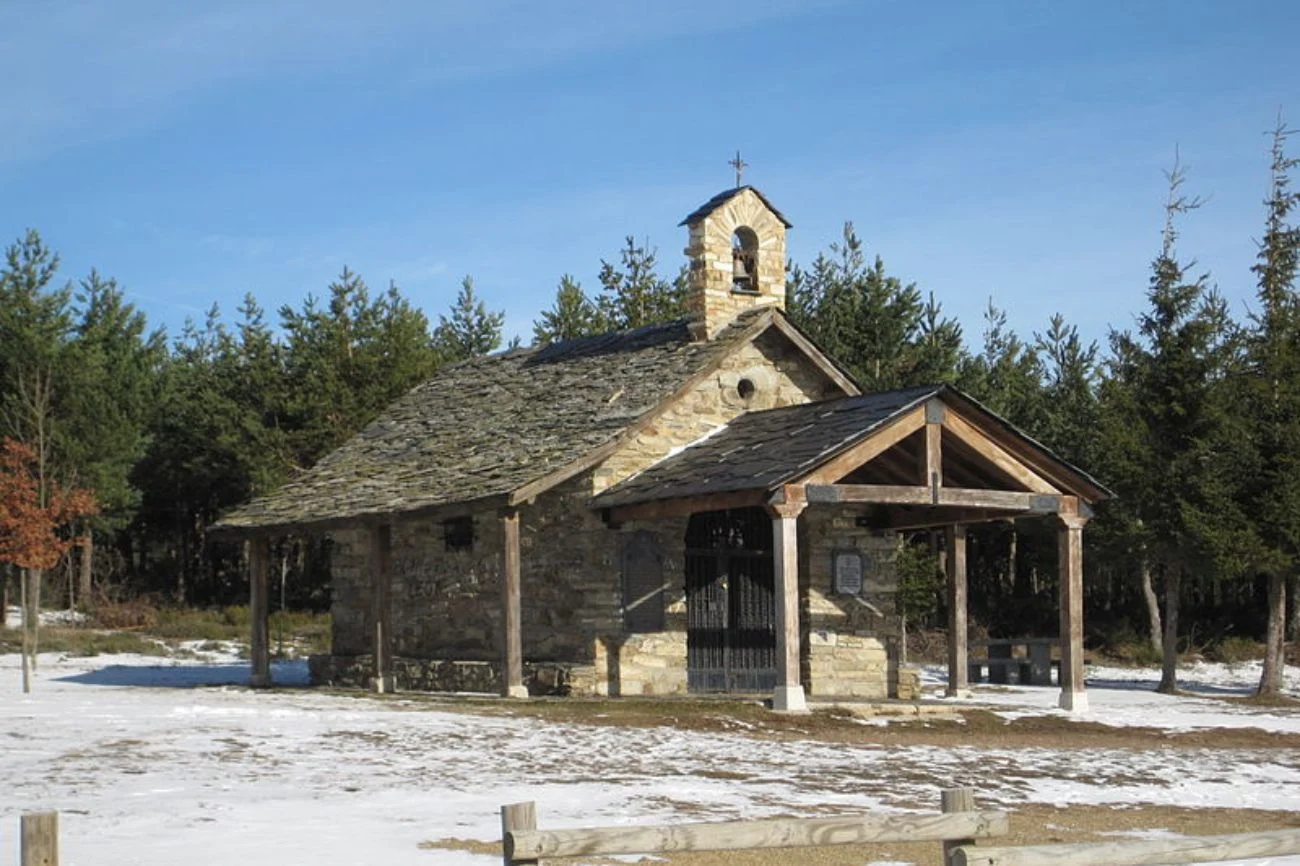
High-altitude hermitages feed a tradition linked to the Camino
The Camino de Santiago is full of stories that mix faith, landscape and popular tradition. In the Bierzo region, one of the most symbolic areas of the French Way before entering Galicia, there is one of those stories that have been passed down from generation to generation: the legend of the so-called “Seven Sisters”.
These are not people, but a set of hermitages located at high points in the Bercian territory, many of them linked to Marian devotions. Places that, beyond their religious value, are part of the collective imagination of the area.
An oral tradition with roots in the territory
The legend speaks of seven sisters—in some versions, virgins—who decided to separate and occupy different strategic points on top of mountains and hills to monitor the environment and protect both the inhabitants and the walkers.
Although there is no historical documentation that confirms this story as a real fact, there is a clear basis: the presence of several high-altitude hermitages that, due to their location, have generated this type of interpretation over time.
In Bierzo, oral tradition has been key to transmitting this type of stories, which combine religious elements with popular beliefs.
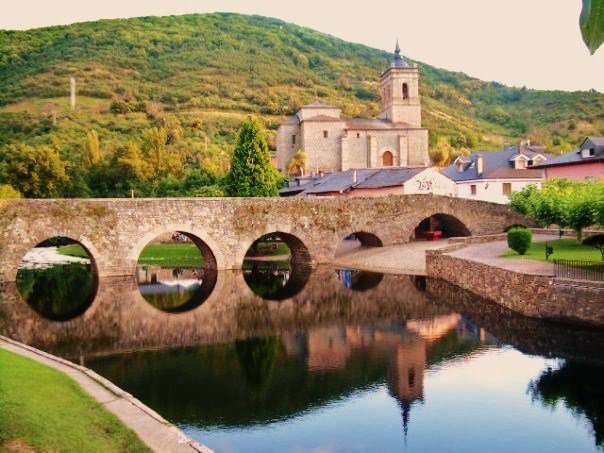
Hermitages that mark the Bercian landscape
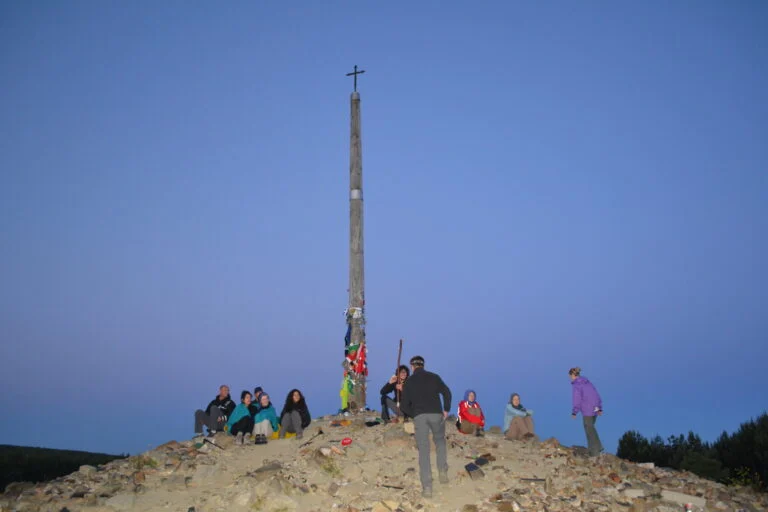
Some of the hermitages associated with this tradition are found in well-known enclaves of the region, such as the Virgen de la Peña in Congosto or mountain areas near Fombasallá, already on the border with Galicia.
These temples share common characteristics:
- They are located at high points
- They have visibility over large areas of the territory
- They are linked to local devotion
Its location is not coincidental. Historically, these places served as visual and spiritual reference points.
The Camino de Santiago and local beliefs
The passage of the Camino de Santiago through Bierzo has favored the appearance and consolidation of this type of stories.
For centuries, pilgrims have crossed these lands, bringing with them stories, beliefs and traditions that mixed with the local ones.
This has given rise to an intangible heritage that is part of the Camino experience, beyond the monuments or the marked routes.
Between history, faith and landscape
What makes this legend special is not its historical veracity, but its ability to connect different elements:
- The geography of Bierzo
- The religious tradition
- popular culture
- The passage of the Camino
The hermitages, visible from a distance, reinforce that sense of symbolic surveillance that tradition reflects.
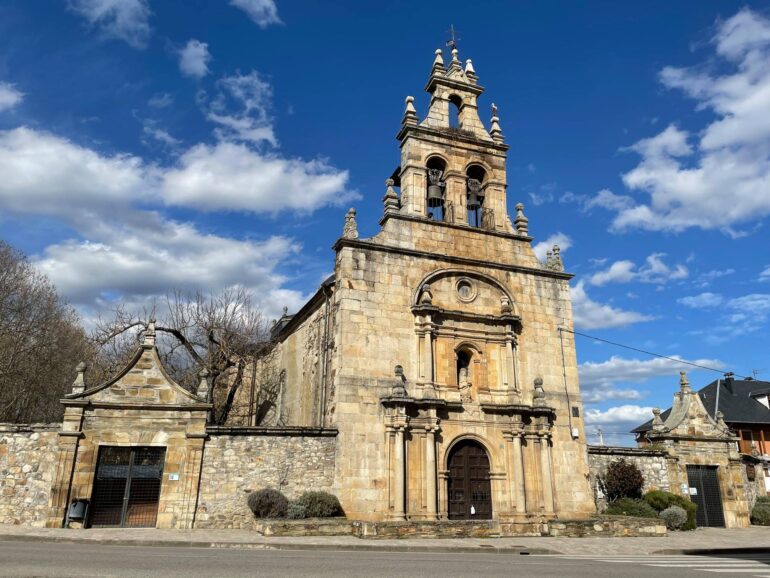
A Path full of invisible stories
The Camino de Santiago is not only traveled with your feet. It is also traveled with stories.
Each region has its own legends, many of them little known outside the local area, but which are part of the character of the Camino.
In the case of Bierzo, these “Seven Sisters” represent a way of understanding the territory: as a protected, observed and loaded with meaning space.
The value of tradition in the pilgrim experience
For many pilgrims, discovering these types of stories adds a different dimension to the trip.
It is not just about advancing stages, but about interpreting what you see: mountains, hermitages, towns... and the stories that surround them.
Although most walkers do not know this legend in depth, the presence of these high temples continues to generate curiosity.
Between myth and reality
As with many Camino traditions, the line between history and legend is blurred.
There is no evidence that the “Seven Sisters” existed as people, but there is an evident reality:
👉 the landscape
👉 the hermitages
👉 tradition
And that's enough to keep the story alive.
El Bierzo, a territory of transition and symbolism
El Bierzo is one of the last great stages before Galicia. A transition territory where the Camino changes, both in landscape and environment.
Perhaps that is why it is not strange that stories emerge here that talk about protection, surveillance and passage.
A story that continues to accompany the pilgrim
Today, the legend of the Seven Sisters remains part of the cultural heritage of Bierzo.
It does not appear in official guides or on Camino signs, but it lives in local memory.
And in the end, that is the Camino de Santiago:
a place where history, faith... and stories that cannot always be explained coexist.