The legacy of Rome and Santiago emerges in medieval iconography
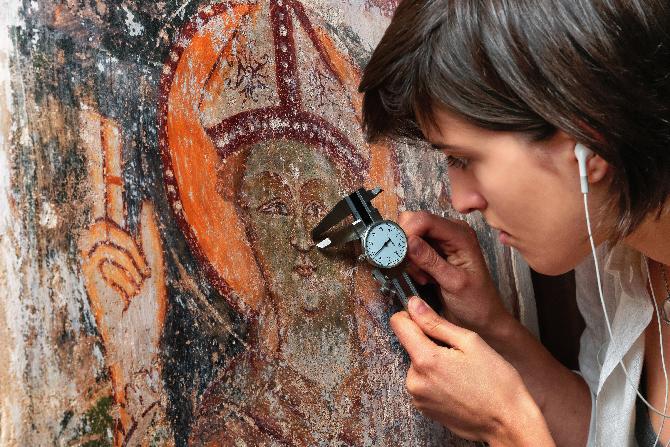
The Camino di Santiago continues to reveal new elements of its immense historical and artistic heritage. Negli ultimi mesi, diversi interventi di restauro su affreschi medievali dedicated to San Giacomo hanno reportato alla luz dettagli iconografici di gran interesse, confermando ancora a volta il forte cultural legame tra l'Italia e la tradition jacobéa.
It is not about a single isolated scope, but about continuous work to recover and valorize the heritage that extends over a long diverse range of the Camino. These restorations allow the oggi to be preserved with great artistic presentations that, in almost every case, were not rimaste nascoste or deteriorate dal tempo.
San Giacomo nell'arte: a European symbol
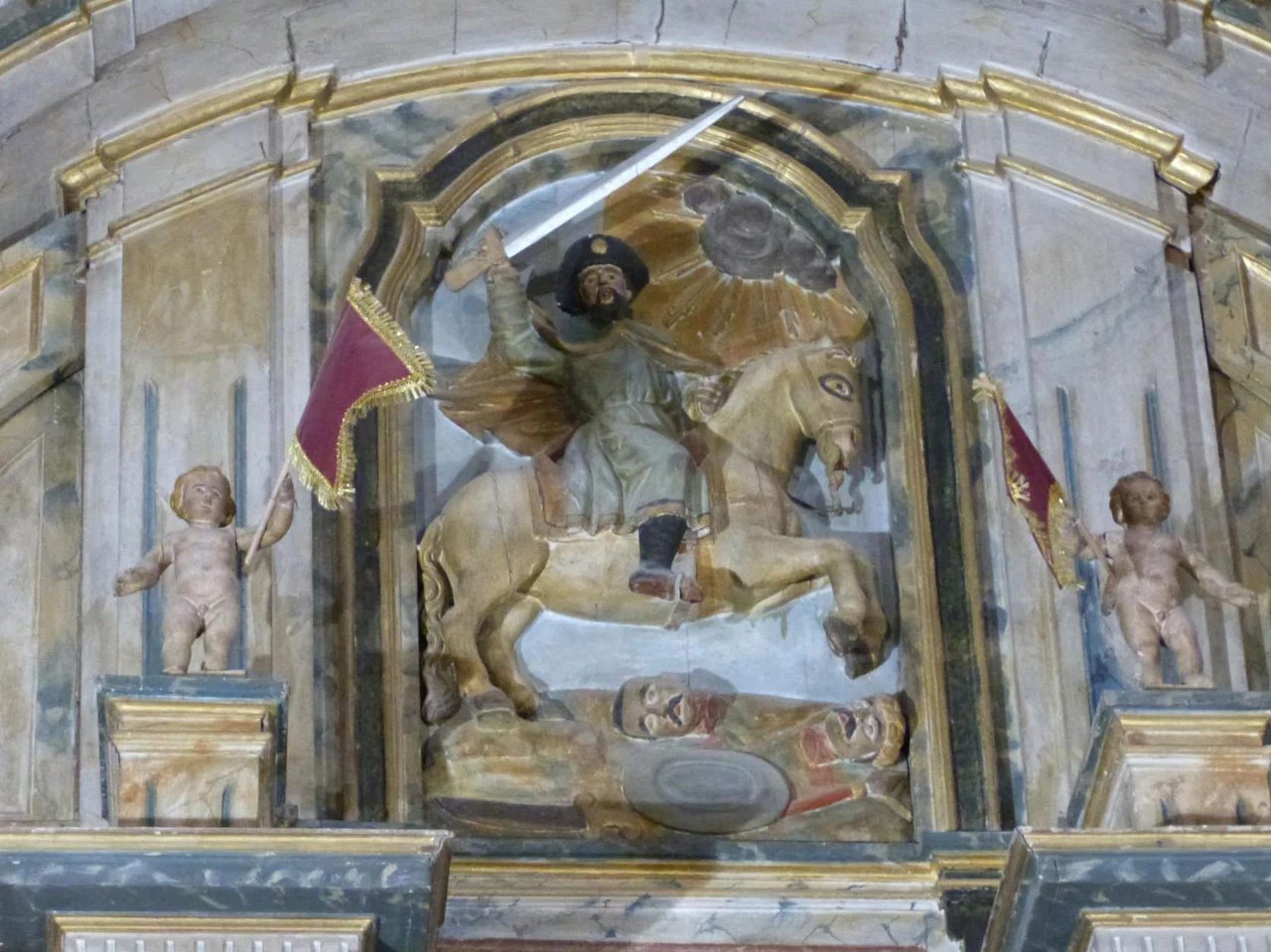
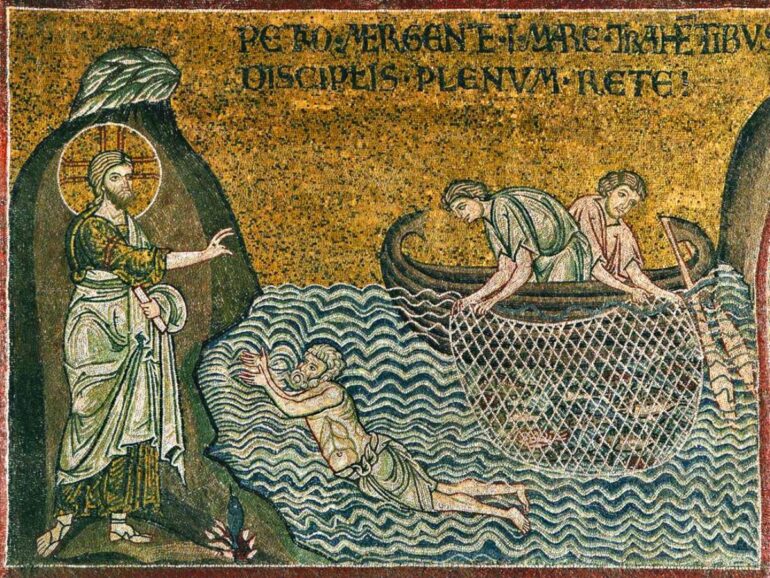
The figure of San Giacomo has become a central role in European medieval and Renaissance art. The sue rappresentazioni, diffuse long all the principali rotte jacobee, riflettono not only the religious devotion, but also the cultural scambi between regions and countries diversi.
In particular, some iconographic restorations show stylistic elements that reflect Italian influence. This is not surprising in the history of art, that the time is evident as the Camino di Santiago is also a way of artistic circulation and spirituality.
Artists, craftsmen and pellegrini have traveled long and hard, carrying with their ideas, techniques and styles.
Italian influence long on the road
The legacy between Rome and Santiago de Compostela is not only symbolic, but also historical. During the Middle Ages and the Renaissance, Italy was one of the main artistic centers of Europe.
Many Italian artists and influences from Italian culture have traced the loro's path along the way. This is where the rifle comes in detail:
- The composition of the figure
- The use of the prospect
- Decorative elements typical of rinascimental art
- Rappresentazioni più umanizzate dei santi
These elements are only visible thanks to the restoration work, which allows the legs to operate.
Il ruolo dei restores in the valorization of heritage
The recent intervention did not consist of reconstruction, but of polishing, consolidation and recovery operations. The objective is to preserve the original operation and render it legible without altering the authenticity.
This type of work is fundamentally in a context like the Camino di Santiago, where the heritage is diffused and especially intended for agents of the atmosphere and continuous passage of people.
I restored allows you not only to preserve, but also to value what is good, giving access to pellegrini and visitors.
The Way as via cultural change
One of the most interesting aspects of the Cammino di Santiago is its road with space to discover diverse cultures. End of the Middle Ages, this rete of percorsi has come into contact with people from all of Europe.
The result is visible at the bottom:
- Architecture with French, Italian and German influence
- Opera d'arte che mescolano stili diversi
- Local traditions benefit from foreign contributions
Gli affreschi restaurati are a concrete testimony of this phenomenon.
A heritage that continues to emerge
Nonostante dry study, the Cammino di Santiago continues to surprise you. Ogni intervention of the restoration so that you can see new details, new interpretations and new collegamenti storici.
In the case of the iconography of San Giacomo, the recovery of Italian artistic influence strengthens the idea of a profoundly European Way.
It is not just a journey versus a goal, but a challenge of relationships that has contributed to the cultural construction of the continent.
The importance of cultural tourism
These interventions have also had an impact on tourism. Every traveler is interested not only in walking, but also in understanding the historical and artistic context of the journey.
The valorization of the fresh, chinese and monuments allows the experience of the Camino to come to life, offering new points of interest.
This type of cultural tourism is growing and represents one of the most significant evolutions of the Jacobean phenomenon.
Tra spiritualità e arte
The figure of San Giacomo continues to represent a point of reference for millions of people. The dream image, diffused along the way, is not just an art work, but also the symbol of an interior journey.
The recovery of this iconography allows us to explore not only the artistic value, but also the spiritual value.
In this sense, the restoration is not just a technical intervention, but a way to keep a tradition alive.
Conclusion: a legacy that crosses and dried
Il rapporto tra Roma e Santiago, tra Italia e Spagna, emerges ancora a volta atraverso l'arte. The fresh restaurants show how the Camino di Santiago is, and continue to be, one space of connection with culture.
Ogni opera recovera add a piece to this complex and fascinating story.
The Road is not just a geographical route, but a collection of heritage that traverses and cultures, uniting people, people and traditions.