The Winter Road continues to show one of its greatest virtues: it is not just a route to get to Santiago de Compostela, but also a way to slowly discover the landscapes, the flavors and the traditions of the two territories it crosses.
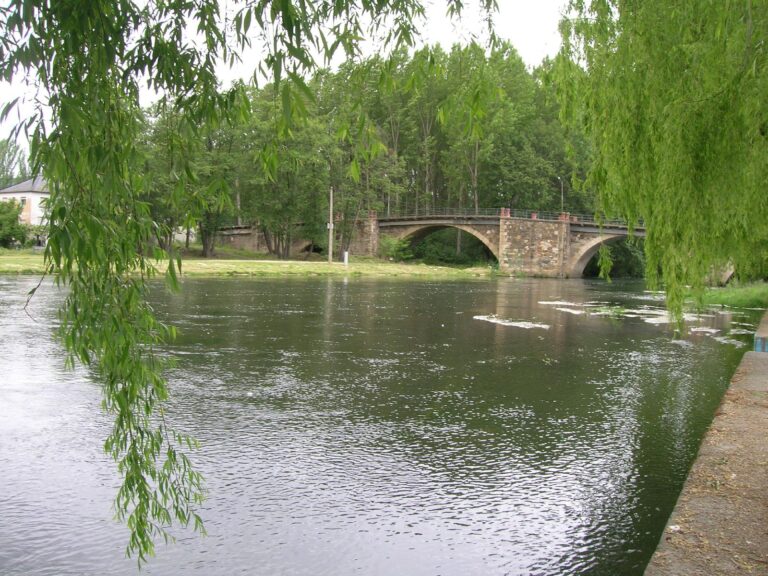
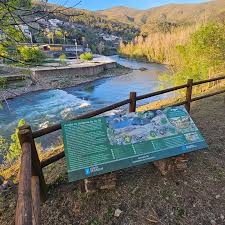
Entering Galiza through Valdeorras, the route accompanies the Sil River and advances between mountains, vineyards, villages and small towns that make this Jacobean route one of the most interesting alternatives to the French Way.
Upon entering Galician territory it happens in the municipality of Rubiá, after leaving behind Puente de Domingo Flórez, not Bierzo. From there, the Caminho passes through Quereño, Carballeda de Valdeorras, Pumares, As Nogueiras and Sobradelo, before continuing in the direction of O Barco, Vilamartín and A Rúa.
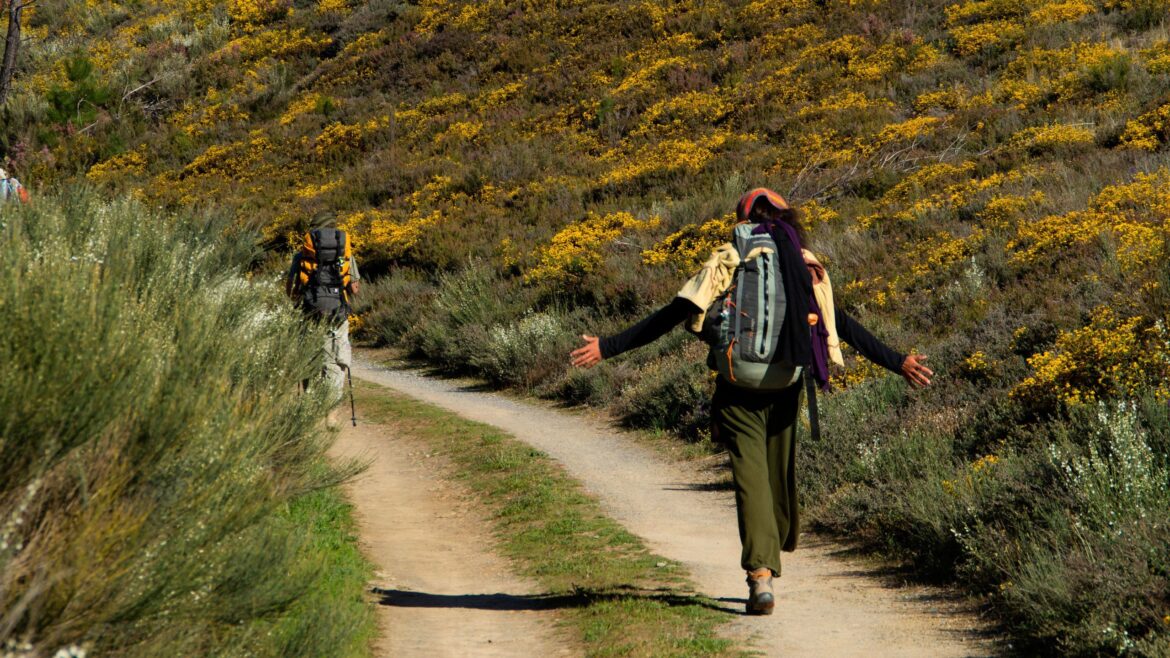
Um Caminho that is also proven
Valdeorras does not offer much landscape.
Not after October 3, an activity organized between O Barco and A Rúa allowed participants to experience the Winter Trail in a different way, combining walking, heritage and gastronomy.
One of the most special points of the journey was a passage through the traditional caves of Vilamartín, spaces excavated in the earth and historically linked to the production and conservation of wine.
There, participants can take a break and taste local products, coming into direct contact with the wine identity of Valdeorras.
It is precisely that combination between pilgrimage and territory that makes the Winter Road special. It's not just about advancing kilometers. It is also about understanding the places you pass through.
From Valdeorras to Ribeira Sacra
The next activity of this program will take place on October 17 and will take the participants to another two large territories in the interior of Galiza: the Ribeira Sacra.
The Association of Municipalities of the Road from Winter to Santiago organizes a new free walk between Pantón and Belesar, with a 13.7 kilometer route.
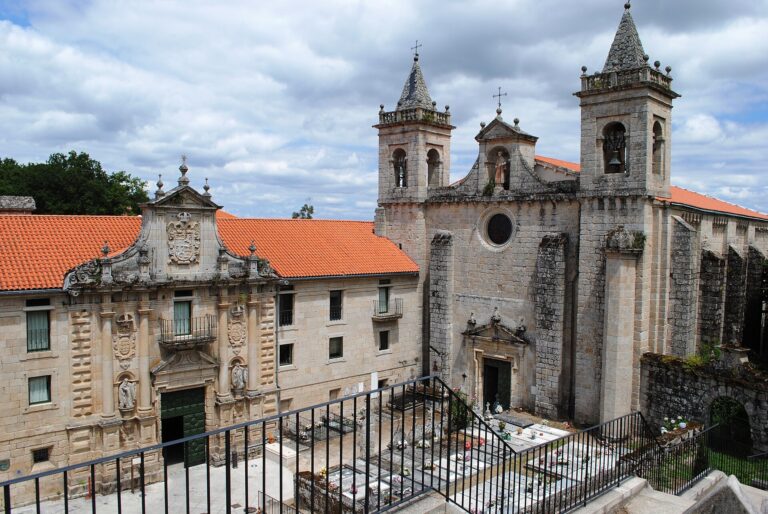
The departure is scheduled for 10:00 am next to the Mosteiro do Divino Salvador de Ferreira de Pantón.
After completing the Belesar tour, participants will return by bus to the majority, where they will continue programming with a visit, a picnic and a tasting.
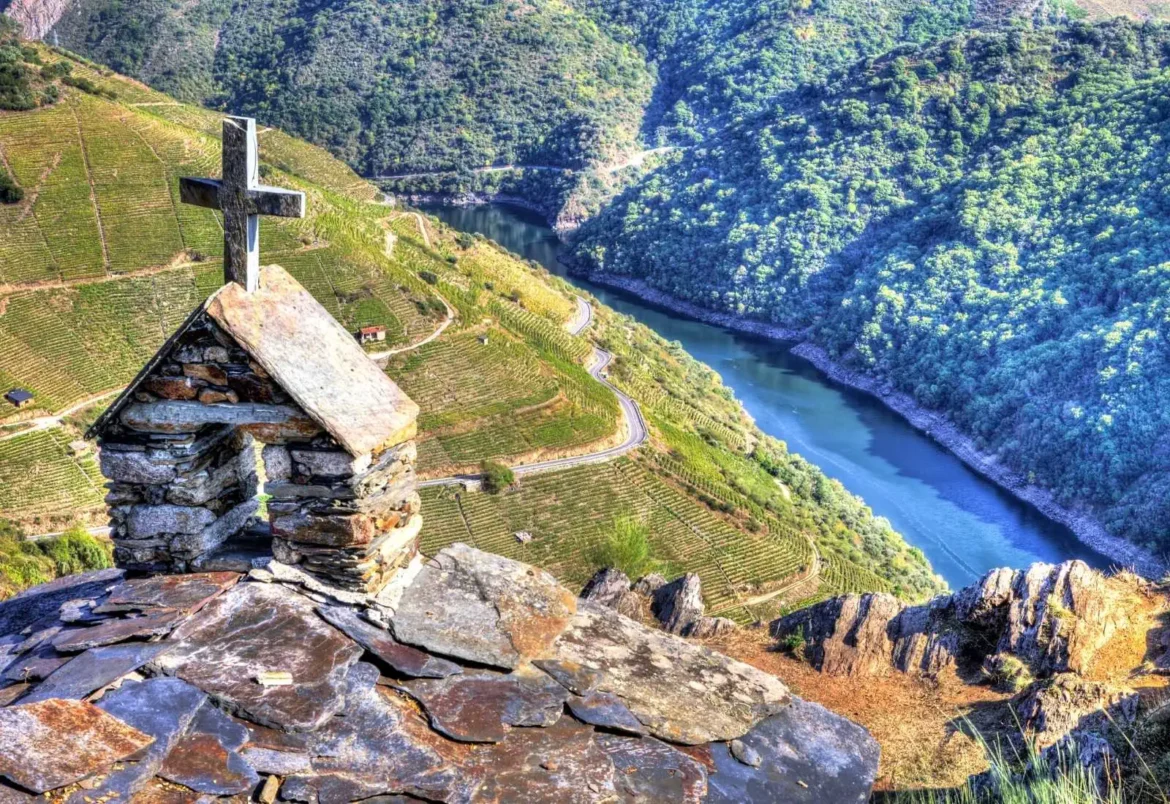
34 places for a different experience
The activity has 34 places and participation is free.
The program includes a guided tour, accompaniment of a mountain technician, insurance, transportation by car, visit to the mosteiro, picnic and tasting.
There are also collection points planned in Lalín and Chantada to facilitate participation.
The initiative aims to promote the natural, cultural and landscape heritage of two municipalities crossed by Caminho de Inverno and show that this area is very important to offer what is simply an alternative itinerary to Santiago.
A broken one more and more filled
For a long time, the Winter Road remained in the shadow of the great Jacobean ravines.
Therefore, more and more pilgrims seek less crowded paths and experiences more linked to the landscape, the local culture and direct contact with the territories.
In this sense, Valdeorras and Ribeira Sacra offer two of the most interesting scenes of the whole world.
The Sil River accompanies part of the journey, as vineyards, coasts, monuments and small villages create a very different landscape that many pilgrims traditionally associate with the Caminho de Santiago.
Visiting Santiago is just part of the experience
The Caminho de Inverno reminds us of something that is often forgotten when we are on a pilgrimage.
The final objective is in Santiago, but most of the value of the road is found precisely before arriving.
This is a conversation about a village, a wine, a local product discovered during a stage, a hidden treasure or a landscape that forces the pilgrim to stop for a few minutes.
From Valdeorras to Ribeira Sacra, this tour continues to show that the Caminho de Santiago can also be lived through two senses.
We walk, but we also observe, experience, know and remember.
And perhaps it is precisely this that the Winter Road finds its greatest strength: offering the pilgrim time and space to discover everything that exists between the starting point and Santiago.
-

English Way passes 30,000 pilgrims
The English Way has crossed a symbolic barrier before the end of the year. More than 30,000 pilgrims have already completed the Camino Inglés in 2026, allowing the route to surpass the total recorded during the whole of 2025 while there are still more than two months left before the end of the year. The…
-
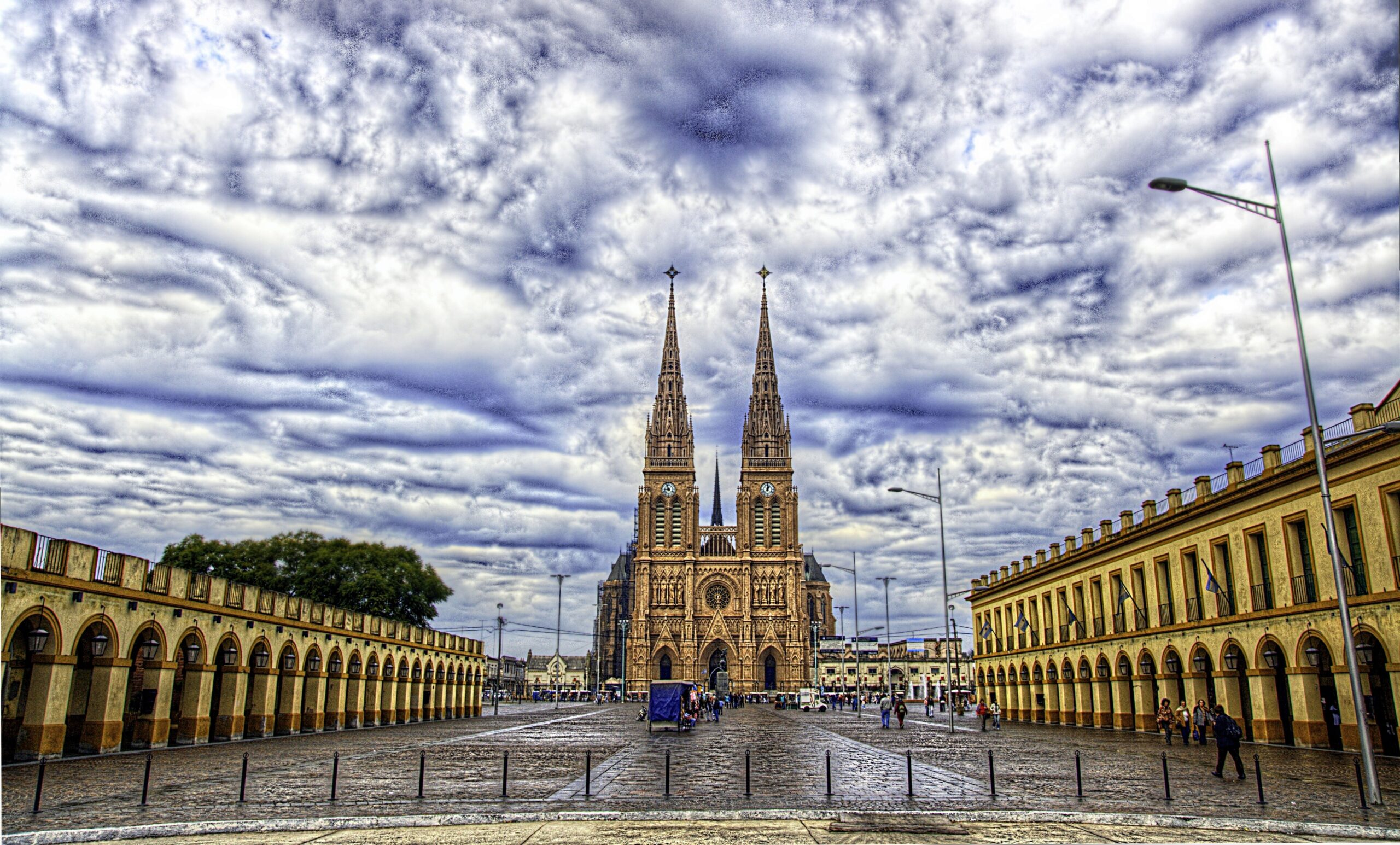
Luján promotes religious tourism
Luján has just taken a step that goes far beyond organizing a massive pilgrimage. The Argentine city wants to convert the experience accumulated over decades receiving millions of faithful into a model of cooperation between some of the great Marian sanctuaries in Latin America. The First Ibero-American Forum of Marian Cities, held on…
-
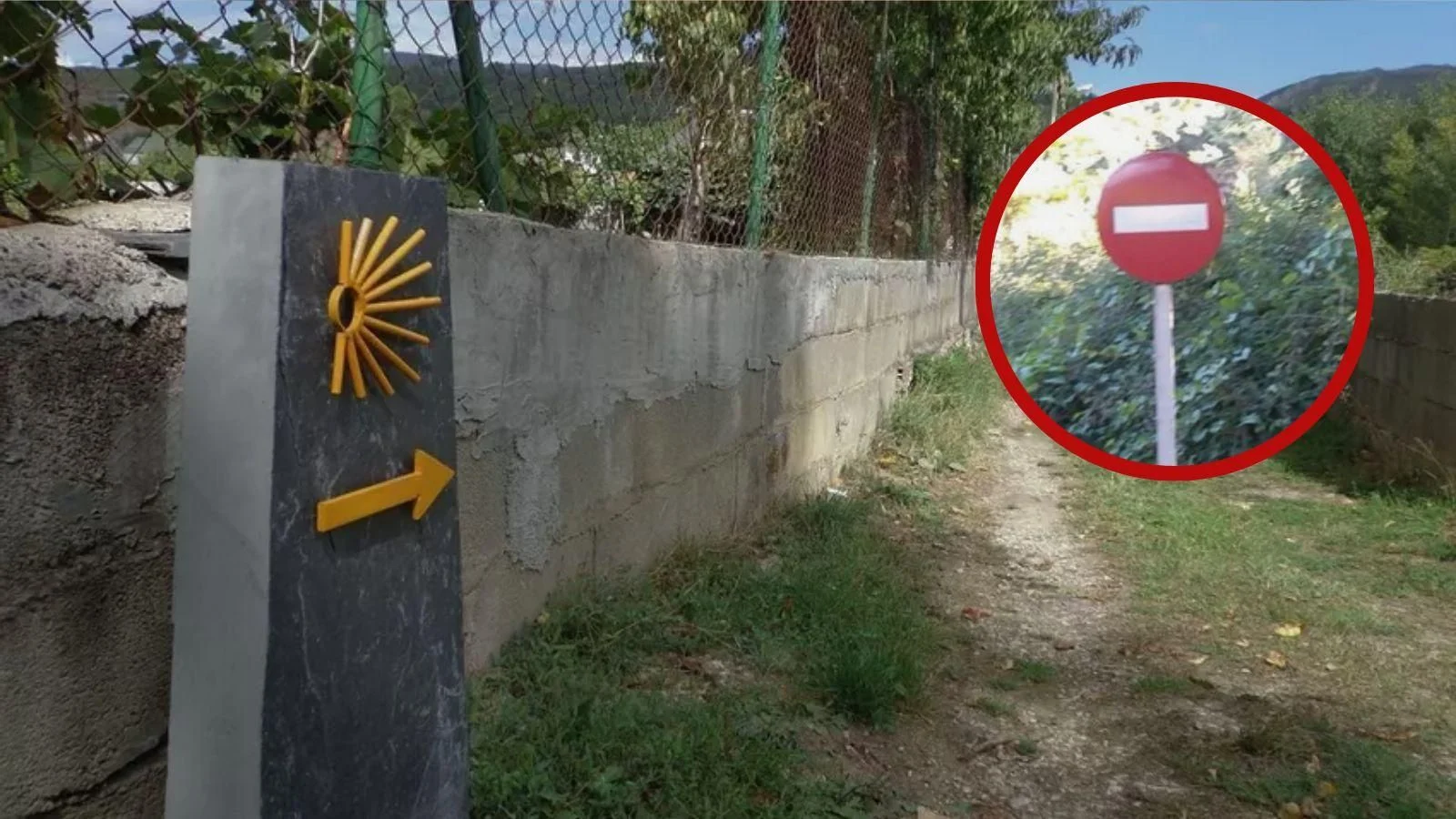
The sign that baffles pilgrims
On the Camino de Santiago one soon learns to look at the signs. Yellow arrows, scallops, cairns and small indicators become inseparable companions for hundreds of kilometers. But in Vilamartín de Valdeorras, in the middle of the Camino de Invierno, a traffic sign has achieved precisely the opposite: attracting attention and causing surprise among those...