More and more pilgrims are opting to find their way without technology
At a time when almost everything is done with a mobile phone, some of the pilgrims on the Camino de Santiago are taking the opposite route. Literally. In 2026, a silent but increasingly visible trend is growing: walking without depending on digital maps, without GPS and without mobile applications.
It is not a massive fashion, but it is a different way of understanding the pilgrimage. Simpler, more connected to the environment and, for many, more authentic.
Back to basics: arrows, intuition and conversation
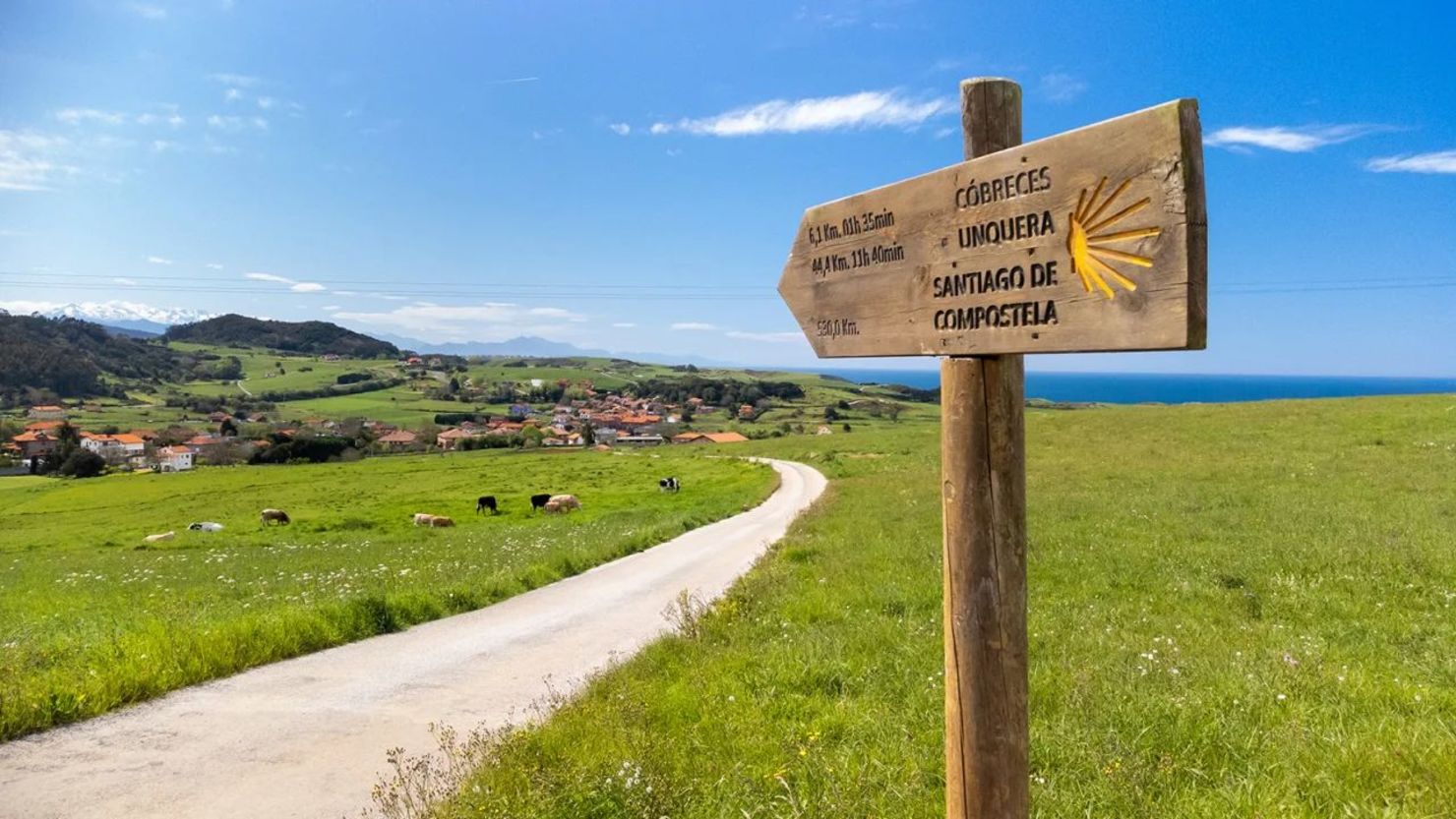
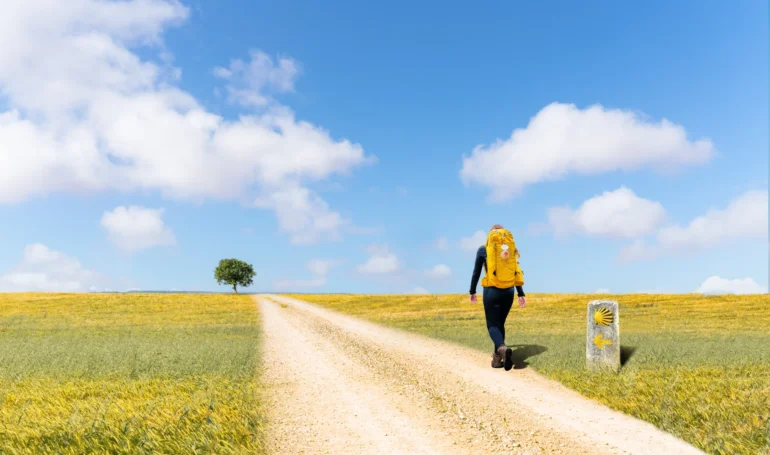
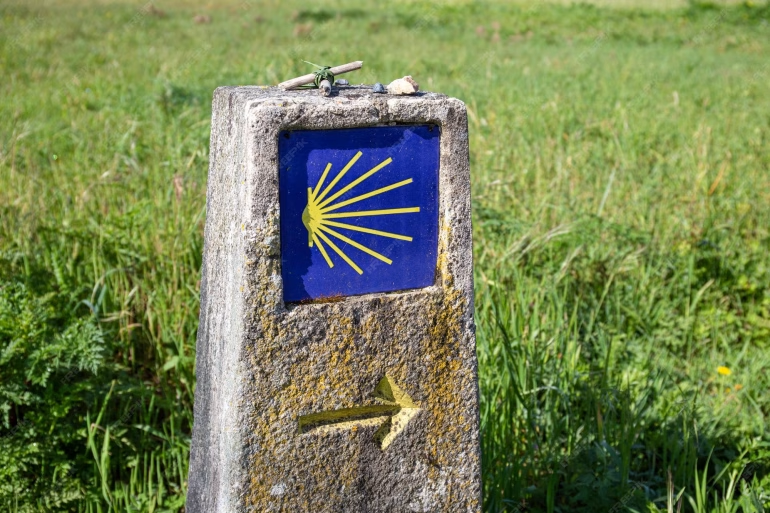
The Camino de Santiago has been perfectly signposted for decades. The yellow arrows, shells and kilometer markers allow you to orient yourself without the need for technology.
Many pilgrims are rediscovering that traditional signage as their primary form of guidance. Instead of staring at a screen every few minutes, they look up.
They look for signs on walls, stones or crossroads. They ask neighbors. They make a mistake on some detour and turn back. And in that process, they ensure that the Camino changes completely.
Less screen, more Path
Those who choose to walk without apps agree on one thing: the cell phone is distracting. Not just to get your bearings, but for everything it entails.
Notifications, constant photos, social networks, route queries... all of this interrupts the natural rhythm of the walk.
By dispensing with GPS, the pilgrim:
- Pay more attention to the environment
- Observe the landscape better
- Interact more with other pilgrims
- Live the journey more continuously
It is not just a practical matter, it is a form of experience.
It's not for everyone, but it's becoming more and more interesting.
Walking without technology is not the most common. The majority of pilgrims continue to use navigation applications or digital guides, mainly for safety and convenience.
But more and more people are trying at least sections without using their cell phone. Especially on well-marked routes such as the French Way or the Portuguese Way.
In these cases, technological dependence is less, which facilitates this type of experience.
Errors, deviations and learning
One of the arguments most repeated by those who leave the GPS is that getting lost is part of the Camino.
These are not big mistakes, but small detours that force you to stop, think and decide.
That feeling of not having everything under control generates:
- Greater attention
- Constant decision making
- Feeling of adventure
Something that, according to many pilgrims, has been lost with the constant use of technology.
Safety remains key
Despite this trend, experts insist that technology should not be abandoned completely, especially in certain situations.
On less traveled routes, long stages or complicated weather conditions, the use of GPS can be important.
For this reason, many pilgrims opt for a middle ground:
- Do not use your cell phone constantly
- Carry it as support if necessary
- Consult it only at key moments
This balance allows us to maintain the essence of the Camino without giving up safety.
The Camino as a real disconnection
One of the main reasons for giving up your cell phone is disconnection.
The Camino de Santiago has always been a pause experience. A time out of the usual rhythm. And the constant use of the phone partially breaks that process.
By walking without apps, many pilgrims feel that they recover:
- The silence
- own rhythm
- full attention
- The connection with the environment
It is a way of returning to the original direction of the Camino.

More human interaction
Another clear effect is the increase in interaction with other people.
Without GPS, it is more common:
- Ask directions
- Share information with other pilgrims
- Talk to neighbors
This generates a more social, closer, more human experience.
Something that is part of the DNA of the Camino.
A discreet but growing trend
There are no official figures that measure how many pilgrims walk without technology, but a change is perceived in the way of living the Camino.
It is not about rejecting modernity, but about choosing how to use it.
The mobile phone is still there, but it is no longer the center.
The Camino without filters
Walking the Camino de Santiago without depending on maps or apps is neither better nor worse. It's just different.
For some, it's more uncomfortable. For others, it is more real.
What is clear is that, in an increasingly digital world, there are those who seek just the opposite: to walk without filters, without screens... and with their head.