Spectacular landscapes, unforgettable gastronomy and a more authentic experience are driving the rise of this historic Jacobean route
While thousands of pilgrims continue to choose the popular French Way every year, another route is silently advancing, gaining followers. Less crowded, more demanding and with some of the most impressive landscapes in Europe, the Camino de Santiago del Norte It has become the great alternative for those looking for a more authentic experience away from the crowds.
From the shores of the Basque Country until arrival at Obradoiro Square in Santiago de Compostela, this itinerary offers more than 800 kilometers of nature, heritage and personal improvement. A combination that is seducing both veteran pilgrims and those considering doing the Camino for the first time.
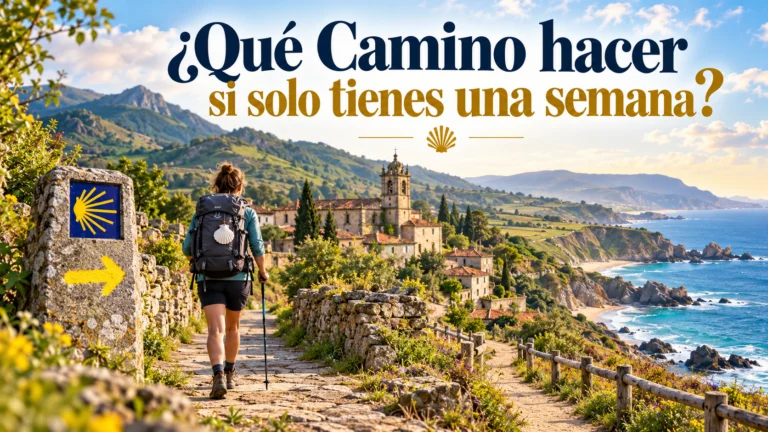
A path between the sea and the mountains
The Camino del Norte traditionally begins in Irun, on the border with France. From there, it crosses some of the most spectacular corners of the northern peninsula: San Sebastian, Bilbao, Castro Urdiales, Santander, Santillana del Mar, Llanes, Gijon, Ribadeo and, finally, Galicia.
Unlike other flatter Jacobean routes, here the pilgrim must face continuous slopes, coastal paths, forests and small rural roads. Precisely this physical demand is one of the elements that those who complete this route value most.
The prize, however, is immense: cliffs overlooking the Cantabrian Sea, wild beaches, fishing villages and some of the most memorable sunsets on the Camino de Santiago.
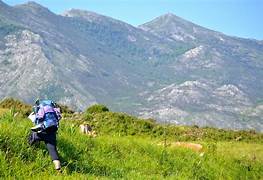
The route that recovers the essence of the pilgrim
One of the aspects that those who travel the Camino del Norte stand out the most is the feeling of tranquility that it still preserves.
Although the number of pilgrims has increased in recent years, the density is still much lower than that recorded on other more popular routes. This allows you to enjoy a more leisurely experience, encouraging conversation, encounters and personal reflection.
Many walkers claim that on this route it is still possible to recover part of the original spirit of the pilgrimage: walking without haste, sharing stories in the shelters and discovering the territory through its inhabitants.
A gastronomic trip disguised as a pilgrimage
Talking about the Camino del Norte is also talking about gastronomy.
The famous Basque pintxos, Cantabrian fish and seafood, artisan cheeses, Asturian cider or traditional octopus at Galician fair They turn this route into an authentic culinary tour.
For many pilgrims, each stage is also an opportunity to discover the gastronomic wealth of the autonomous communities through which the Camino passes.
Far from being a simple complement, the kitchen here becomes an essential part of the experience.
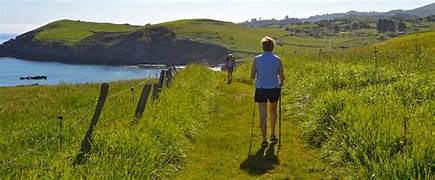
Preparation and planning: keys to enjoying the Camino
The Camino del Norte requires reasonable physical preparation. The continuous ups and downs, together with the meteorological variability characteristic of northern Spain, make it advisable to plan your luggage well.
Experts advise that the backpack not exceed the 10% of body weight and they remember the importance of using footwear already adapted to the foot to avoid injuries and blisters.
It is also advisable to reserve accommodation well in advance during the busiest months, especially in some stages where the supply of public hostels is more limited.
Cantabria, one of the great treasures of the tour
For many pilgrims, the passage through Cantabria It represents one of the most special moments of the Camino del Norte.
From the entrance through Castro Urdiales to the exit towards Asturias, the community offers an extraordinary combination of heritage, coastal landscapes and hospitality.
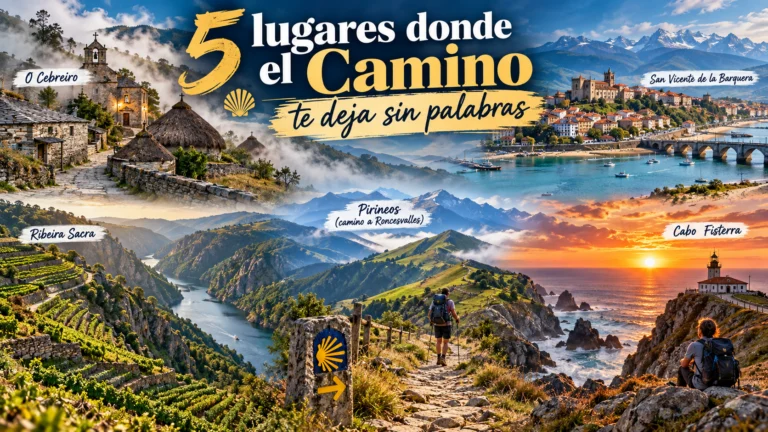
places like Santander, Santillana del Mar, Quotation marks, San Vicente de la Barquera or the small towns in the interior allow you to discover a less known side of the Camino, where the Jacobean tradition is still very present.
Furthermore, the passage of thousands of pilgrims each year contributes to the economic and tourist development of numerous Cantabrian towns.
An experience that goes far beyond the destination
Completing the Camino del Norte does not only consist of reaching Santiago de Compostela.
It is learning to live with the uncertainty of the climate, managing daily effort, adapting to the rhythm of one's own body and opening up to encounters with people of different nationalities and cultures.
Each stage becomes a small lesson in humility, patience and the ability to overcome.
For this reason, those who have traveled this route agree on the same idea: the true gift of the Camino is not in the finish line, but in everything that happens between one step and the next.
The rise of a route with its own soul
The growing interest in more sustainable and less crowded experiences is driving the popularity of the Camino del Norte.
However, those who already know it hope that this increase in visitors is accompanied by adequate planning and conservation of the territory, preventing the loss of precisely what makes it unique: its authenticity.
Because as long as the Cantabrian Sea continues to mark the horizon and the yellow arrows continue to guide pilgrims, the Camino del Norte will continue to be much more than a route to Santiago.
It will be a permanent invitation to stop, breathe and listen to the sound of the sea again.