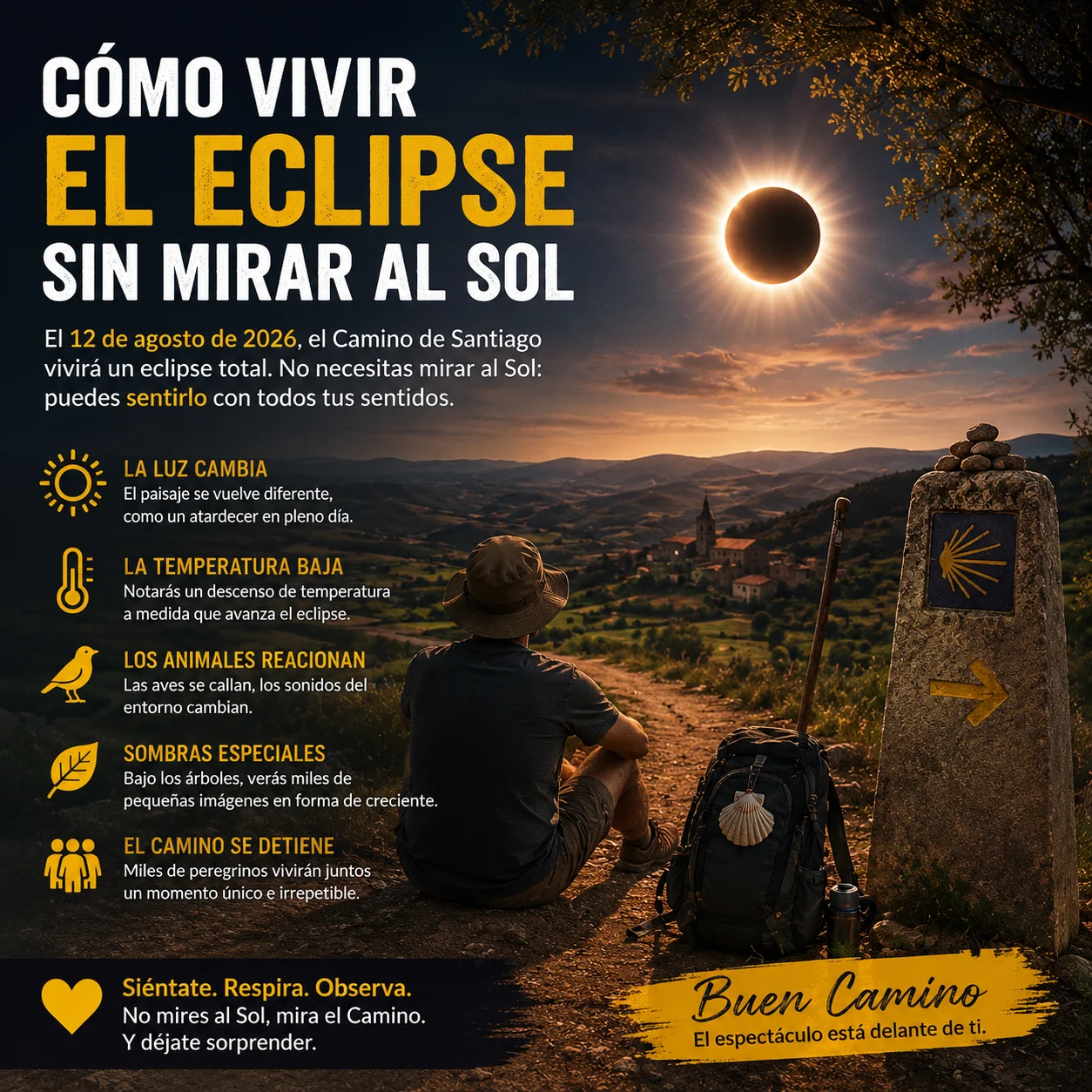
On August 12, 2026, thousands of pilgrims will have the opportunity to experience an exceptional event. And perhaps the most exciting way to do it is not to look up, but to sit beside the Camino and discover how the world changes for a few minutes.
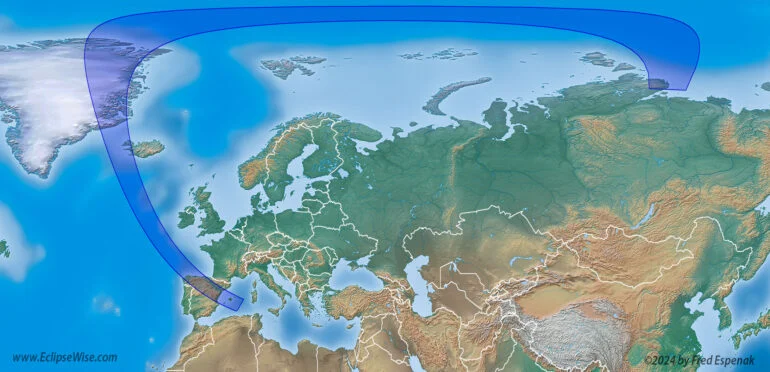
The next August 12, 2026, the Camino de Santiago will have an extraordinary date with heaven. The total solar eclipse will cross Spain at the end of the afternoon and numerous pilgrims will be walking precisely through territories from which the phenomenon can be experienced with special intensity. It will be one of those days that will probably end up becoming part of the collective memory of the Camino: photographs, videos, pilgrims gathered at viewpoints and squares and thousands of people waiting for that moment when the light begins to disappear.
But there is a completely different way to live it. There is no need to spend the eclipse looking at the Sun through glasses. It is even possible to enjoy the entire experience without looking directly at the Sun even once. All you have to do is find a quiet place, sit down, turn your back and pay attention to something we usually forget: the landscape in front of us. Because a total eclipse doesn't just happen up there. It also happens in the temperature, in the colors, in the shadows, in the animals, in the people and in that strange sensation produced by seeing how the day begins to fade when it should not yet.
When the Road starts to look different
Let's imagine for a moment that we are finishing a stage. We leave the backpack on the ground, rest the staff next to us and sit looking towards a valley, a beach on the Camino del Norte, a mountain or one of those endless fields that accompany the pilgrim. The Sun is behind. We don't need to see it. Little by little we will begin to notice that the light loses its usual appearance and that the landscape takes on a tone that is difficult to explain. It will not be exactly the light of a sunset or the darkness caused by a storm. It will be something else.
Precisely there may be one of the most beautiful experiences in the world. eclipse on the Camino de Santiago. While some people will be worried about photographing the Sun, we will be able to observe how what we have been contemplating for days changes. A path that we know perfectly well may seem different. The facades, trees and mountains will lose luminosity and, as totality approaches in the areas where it is visible, there will be that disconcerting feeling of entering the night too quickly.
We can also feel the eclipse on our own skin. When solar radiation decreases, a perceptible drop in temperature can occur. In the middle of August and after several hours walking in the heat, suddenly noticing that coolness can be extraordinary. It is one of those sensations that no photograph will be able to preserve. The pilgrim will not simply be seeing an astronomical phenomenon: will be physically inside him.
The day when perhaps the Camino will be silent
There will also be something worth listening to. The Camino has its own soundtrack: conversations in different languages, walking sticks hitting stones, birds, insects, cattle, bells and footsteps. Faced with a rapid decrease in luminosity, some animals can temporarily modify their behavior, although the reactions depend on the species and the circumstances. That's why it can be especially interesting to stay silent for a few minutes and listen to what happens.
But probably the most exciting change is human. Let's think of hundreds of pilgrims stopping almost simultaneously. People who have been obsessed with moving forward for days, getting to the next town, finding the hostel or completing the stage will stop walking for a few minutes. Italians, French, Portuguese, Germans, Koreans, Americans, Spaniards and pilgrims of dozens of nationalities will be sharing exactly the same moment. Some will look at the sky adequately protected; others will hug, others will record and some will simply sit and contemplate the landscape.
And those who decide not to look at the Sun will even be able to discover small spectacles under their own feet. During the partial phases, the gaps between the leaves of the trees can function as small natural cameras and project images of the partially eclipsed Sun onto the ground. Instead of raising your head, just look down to find dozens of small luminous crescents on the Camino. It is one of the most curious details of an eclipse and, precisely because everyone is looking at the sky, many people never get to see it.
Putting your phone away can be the best photo
We live in a time in which it seems that what we did not record has not happened. On August 12 there will be millions of photographs and videos of the eclipse. There will be telescopes, professional cameras and broadcasts capable of showing us images infinitely better than those obtained with a mobile phone. Maybe that's precisely why it's worth doing something different: put your phone away for a few minutes.
Sit next to the Camino, leave the backpack on the ground and simply remember where we were when the light began to disappear. Remembering who was sitting next to us, how the temperature changed, what the mountains looked like, what sounds we heard and what we felt as the day began to turn into night. Twenty years from now we will probably be able to find thousands of photographs of the 2026 eclipse on the internet, but none will be able to reproduce exactly how we felt that afternoon.
And then another wonderful moment will come: the light will return. Little by little, the landscape will regain its usual appearance. The pilgrims will collect their backpacks, go back to look for the yellow arrows and the Camino will continue towards Santiago as if nothing had happened. However, those who have been there will know that this will not have been just any stage.
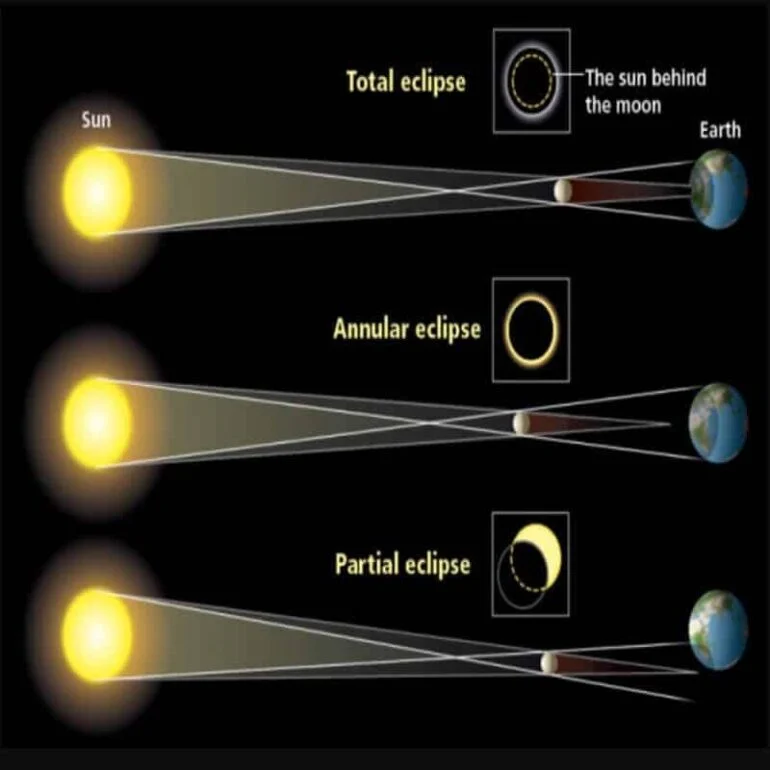
Without glasses simply means not looking at the Sun.
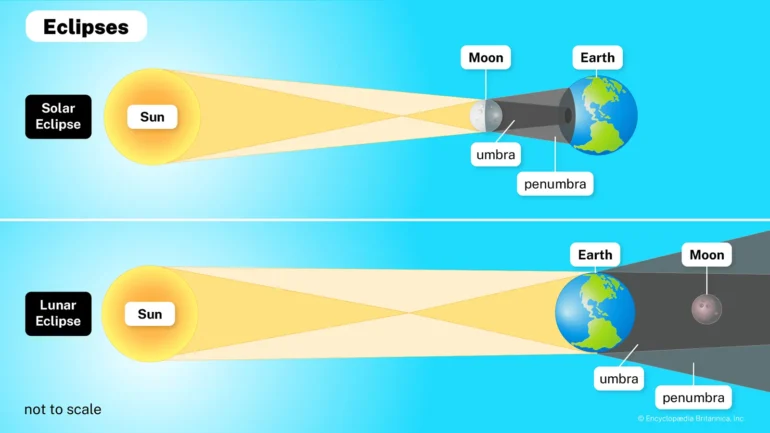
This proposal needs important clarification. Experiencing the eclipse without glasses does not mean that it is safe to look directly at the Sun during the partial phases. It should not be done. Direct viewing requires eye protection specifically designed for eclipses and suitable for solar viewing. A quick glance is not a safe alternative either.
But those who do not want to wear glasses have a magnificent and very simple option: do not look at the sun at any time. We can stand on our backs, contemplate the landscape, observe shadows and indirect projections, listen and feel the environmental change. We don't need to see the solar disk to understand perfectly that something extraordinary is happening above our heads.
Perhaps that is also a particularly appropriate way to experience an eclipse on the Camino de Santiago. The Camino has always had something about stopping to pay attention again to the simple things. Walk, listen, observe, talk and discover landscapes that would go unnoticed from a car. For a few minutes, the eclipse will propose exactly the same thing to us.
He August 12, 2026, while almost everyone is looking up, try looking ahead. Sit facing the Camino. Watch how the light slowly disappears, feel the change in temperature, listen to what is happening around you and look at the faces of those who share that moment with you. Then, when daylight returns, pick up your backpack and continue walking towards Santiago.
You may then discover something unexpected: To experience one of the most impressive eclipses of our lives, it may not be necessary to look at the Sun. Just look at the world while the Sun disappears.