There is no correct age to do the Camino de Santiago. There is a suitable Path for each person and for each moment of their life. A 70-year-old pilgrim accustomed to walking may face stages that are excessive for a 25-year-old who barely moves. Therefore, rather than choosing a route based on age, it is advisable to look at experience, health, terrain and time available.
Before age, five questions
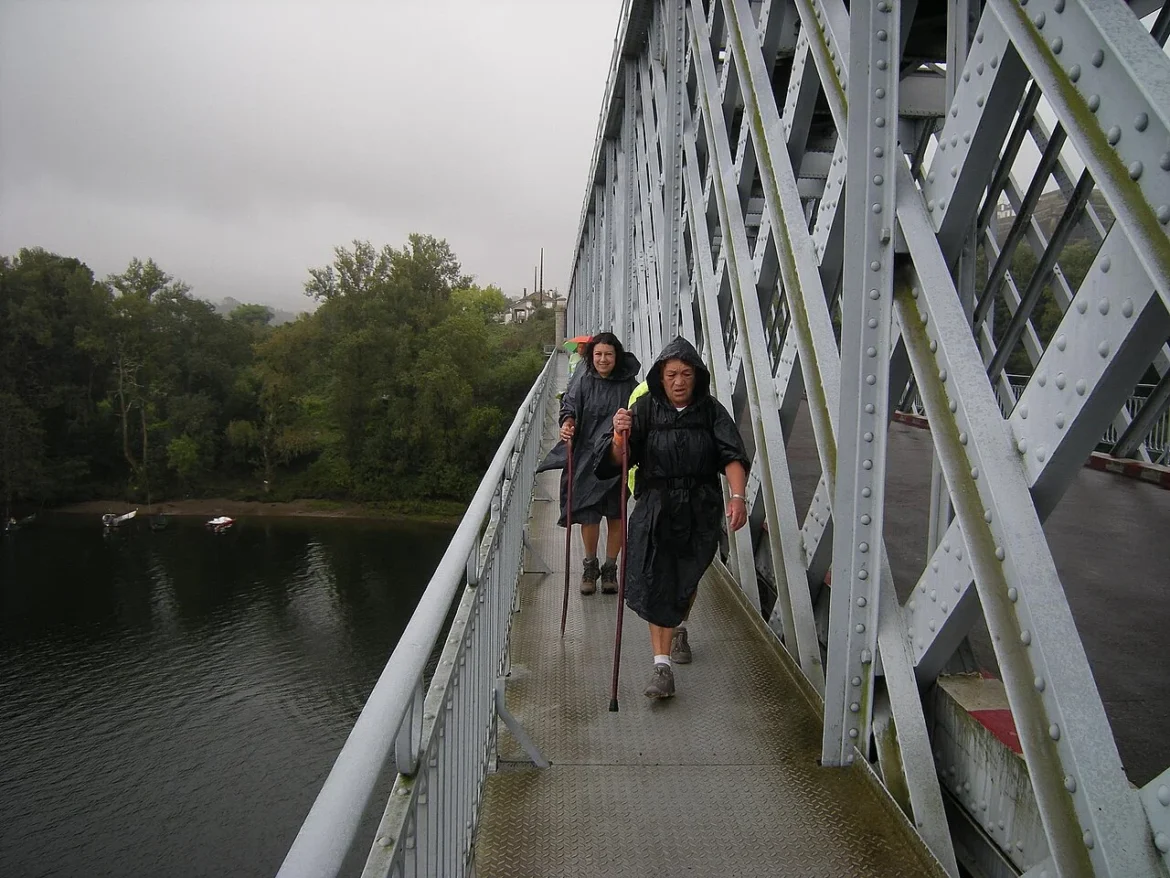
How many kilometers do you usually walk without becoming exhausted? Do you tolerate ups and downs well? Are you going alone, with friends, with children or with someone who needs frequent breaks? What season will you travel in? Do you want to get to Santiago or do you prefer to discover a part of a historical route without having to complete the last kilometers? Your answers matter more than your birthday number.
It is also important to distinguish the kilometers from the actual effort: a short stage with steep slopes, mud or stones can be more demanding than a longer and flatter one. Always consult the profile, services and transportation and accommodation alternatives for each section.
Children and adolescents: a Way to enjoy with the family
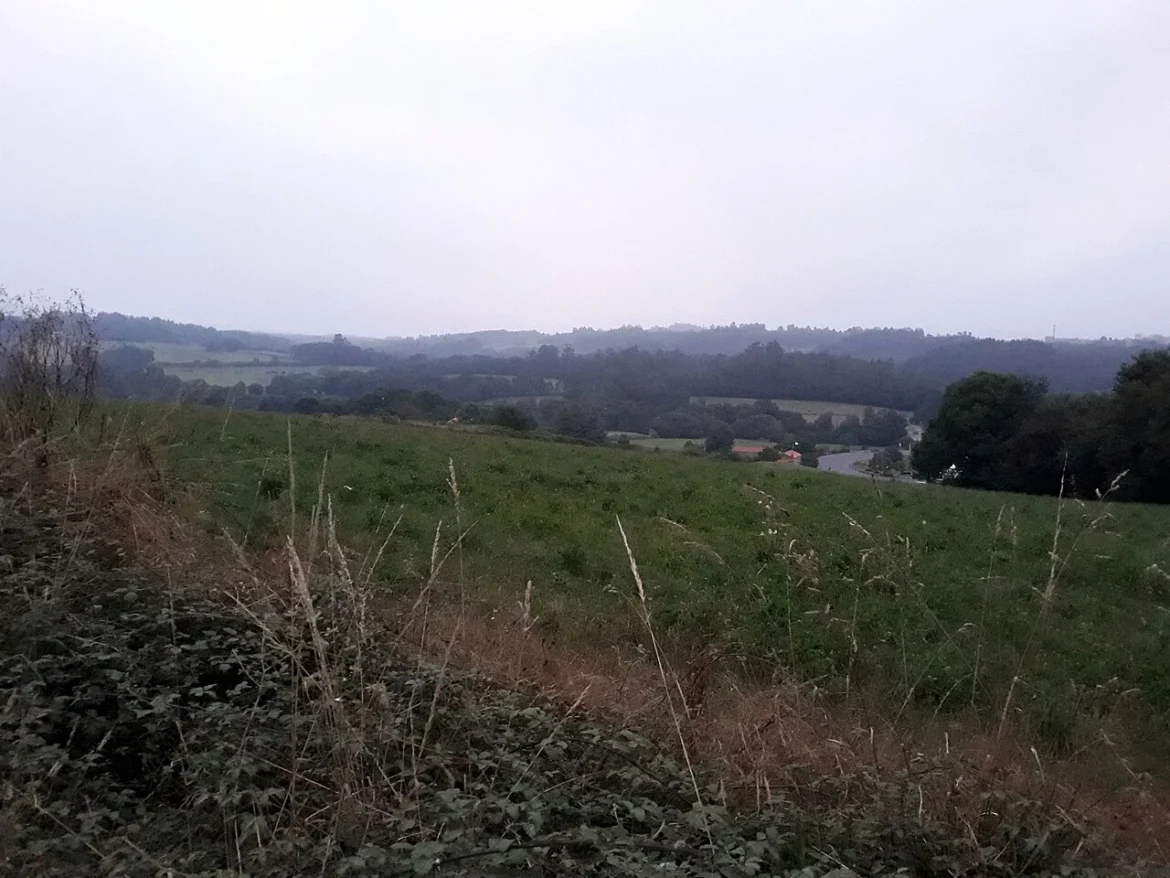
When walking with minors, the route should be adapted to the member who needs more breaks. It is preferable to choose sections with nearby towns, open establishments and opportunities to stop, play or visit monuments. Some sectors of the French Way in Galicia and the Portuguese Way allow family days to be organized, although none of these routes is uniformly easy.
As an initial guide, short days can be considered, even 5 to 10 kilometers if walking experience is limited; It is not a quota that children must meet. You have to assess their age, desire, weather and response to effort. Avoid turning the pilgrimage into a race to get stamps. That they can enjoy the landscape and return happy is enough of a success.
Between 18 and 35: adventure does not mean demanding too much
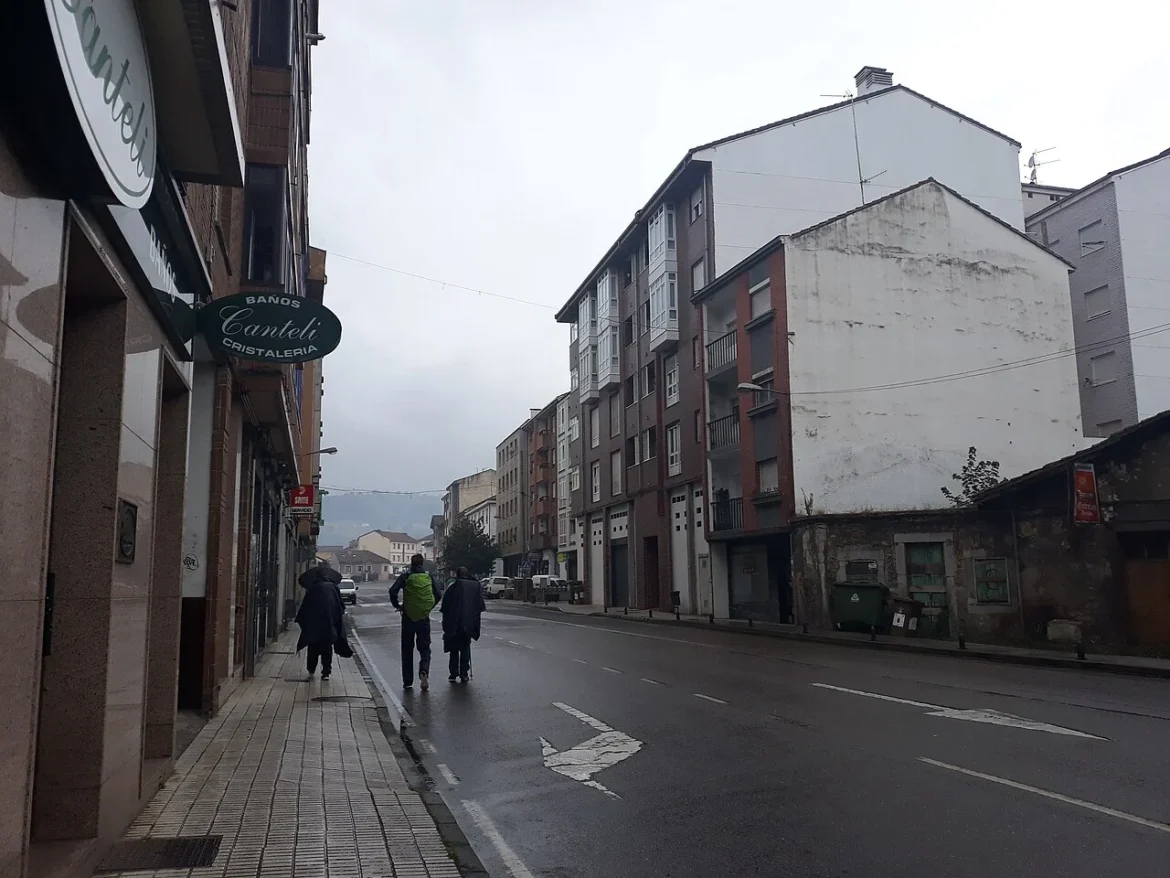
Many young pilgrims seek to meet people, walk independently and travel long distances. The French Way offers abundant hospitality tradition and possibilities for coexistence. The Portuguese Way is another attractive option, with variants that allow you to adjust the itinerary. Those who already have experience in hiking can value the Camino Primitivo, which is more demanding due to its unevenness and some mountain sections.
Youth does not prevent overuse injuries. If it is your first Camino, trying moderate stages before moving on to long days is a better strategy than trying to keep up with strangers. Intense tours require prior preparation, adequate material and the ability to modify the plan.
Between 35 and 55: choose according to the real time you have
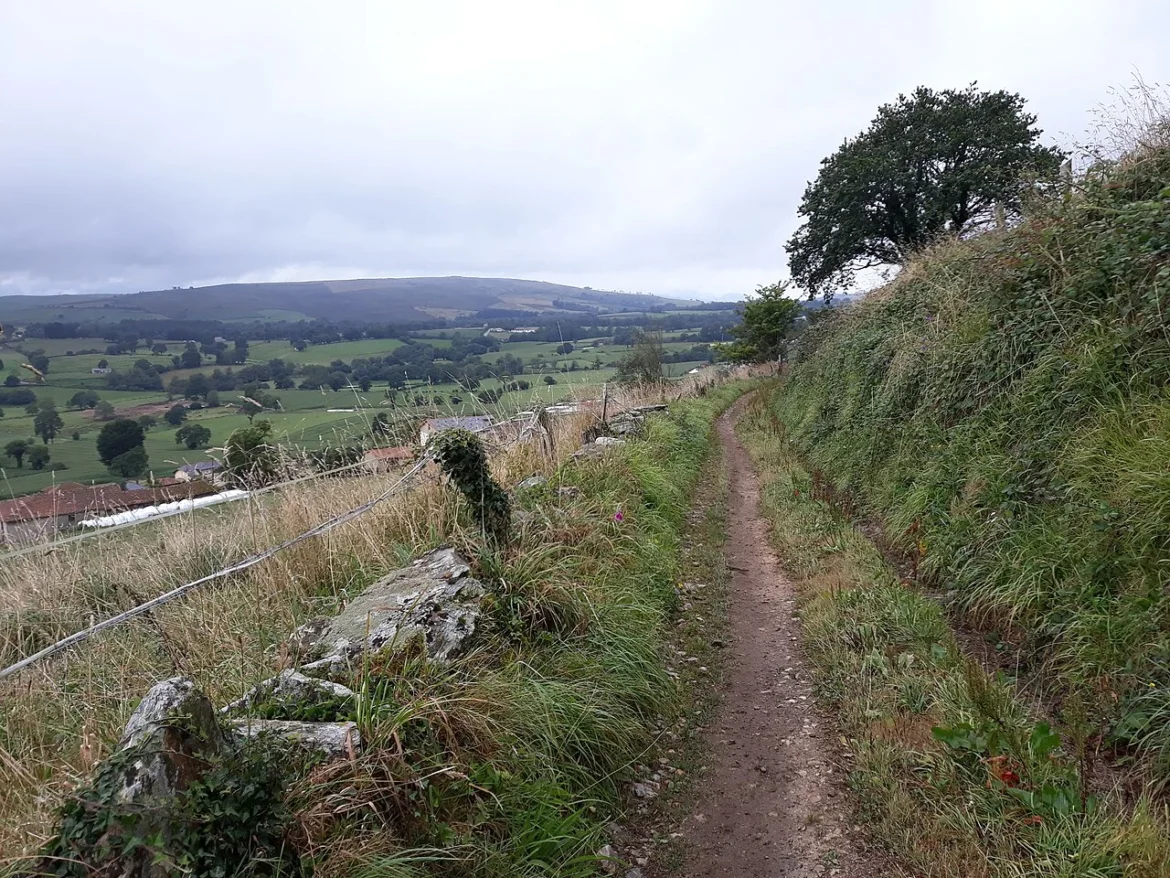
At this stage of life, the limit is usually more the calendar than physical capacity. If you only have five or seven days, you can do part of the French, Portuguese or English Camino, as long as you study its stages and the availability of accommodation well. It is not necessary to travel a complete route in one go.
For a first experience it is usually reasonable to study days of around 12 to 20 kilometers, adaptable to the preparation and the terrain. It is a planning reference, not a universal prescription. If you do sports regularly, you will be able to evaluate other distances; If you spend many hours sitting, you will want to train before going out. Don't design eight days of walking for six days off.
From 55 to 70 and beyond: the Camino is still open
Routes should not be ruled out because you have turned 60, 70 or 80 years old. The decision depends on functional capacity, experience, possible illnesses, medications, balance, and personal preferences. A veteran pilgrim who walks frequently may feel comfortable in difficult terrain; Another, of any age, may need gentler stages and scheduled breaks.
The Portuguese Way and certain sections of the French Way are options to study due to their population centers and services, but they must be reviewed stage by stage: there are also slopes, roads and irregular surfaces. Booking accommodation in advance, carrying less cargo or having luggage transportation can make the experience easier. If there is a health or mobility limitation that may affect walking, it is advisable to consult with a health professional beforehand and review proven accessibility resources.
Quick comparison of routes for different profiles
- French Way: Recommended for those who value Jacobean history, coexistence and a wide range of services. Its difficulty changes a lot between stages.
- Portuguese Way: interesting for a first pilgrimage or to organize a tour in phases; You have to choose between variants and check the sections.
- English Way: option to study if you have fewer days, without confusing its shorter length with the absence of unevenness.
- Primitive Path: particularly attractive for prepared hikers and mountain lovers; Its terrain can be demanding.
- North Path: It allows you to enjoy the coast, although it has frequent unevenness and requires good planning.
- Lebaniego Road: a different route, heading to the monastery of Santo Toribio de Liébana; Its relief makes it important to study each stage well.
A simple method to decide
First choose the number of actual days, including round trips. Then select two routes that attract you and review their stages one by one: kilometers, positive and negative slope, road surface, shade, water, accommodation and alternative transportation. Try walking several consecutive days before going out. If you need too much time to recover after finishing, reduce the planned mileage.
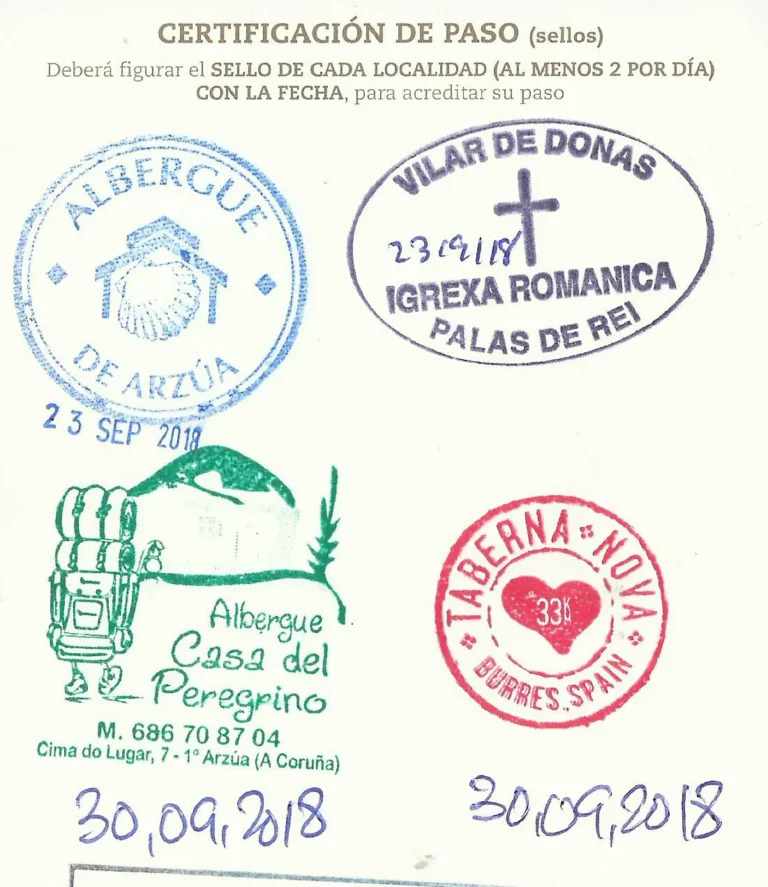
Leave room to rest. An extra night in an interesting town can be worth more than a rushed stopover. If you are looking for the Compostela, check the current conditions of distance, continuity and sealing at the Pilgrim's Office: do not design the entire trip based only on a number of kilometers.
The best Camino is the one you can enjoy and finish with well-being
Age influences certain needs, but it does not by itself define the resistance or desire to pilgrimage. A well-chosen Camino should allow you to observe, talk, eat calmly and take care of your body. If the planning needs changes, changing them is part of the experience. The goal is not to prove how many miles you can endure, but to find a way to walk that makes sense for you.
Sources: Santiago Tourism: planning stages; ONCE Foundation: prepare your experience; DGT: Safe path; Turespaña: Camino routes; Eroski Consumer: pre-planning.
Images: Photo: Wikimedia Commons (author and license in the original file).