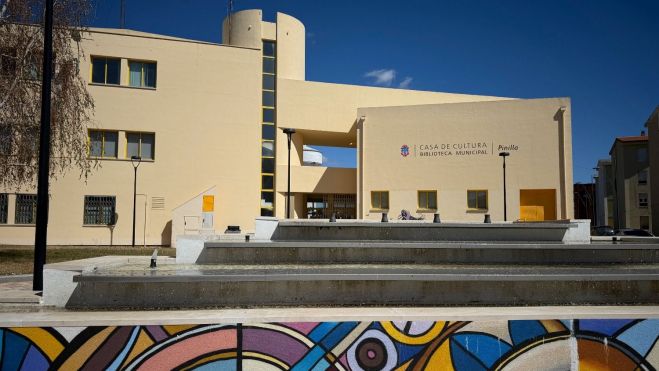
The Pinilla Culture House These days it hosts a photographic exhibition dedicated to Camino de Santiago, a cultural proposal that invites you to take a look at one of the most emblematic routes in Europe. Through a careful selection of images, the exhibition offers a complete vision of the natural, historical and human heritage that accompanies the pilgrim at each stage of the journey.
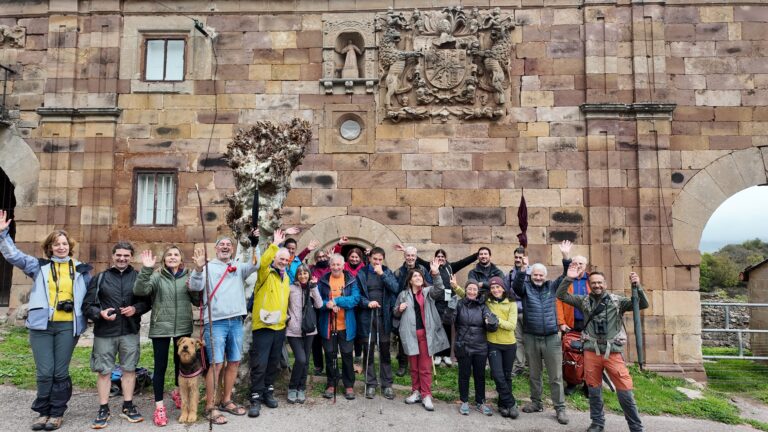
The exhibition brings together around forty snapshots that capture rural landscapes, unique monuments, urban stretches and everyday scenes featuring walkers of different nationalities. Each photograph becomes a visual testimony of the effort, coexistence and spirituality that characterize this ancient experience. The visitor can recognize historical enclaves, bridges, churches and trails that are part of the collective imagination of the Camino, as well as intimate moments of rest or meeting between pilgrims.
The initiative has a clear educational and cultural objective: to bring the Camino de Santiago closer to those who have not yet traveled it and to reinforce its value as a common heritage for those who already know it. In addition, it values photography as a tool to document traditions, landscapes and ways of life linked to this historical route. The exhibition is presented as an opportunity to reflect on the importance of conserving the environment and respecting the spaces through which the Jacobean itinerary passes.
The exhibition can be visited in the morning and afternoon, which facilitates access for both residents and visitors from other towns. Its free nature makes it an ideal proposal to enjoy with the family or as a complementary cultural activity during the week. The organization encourages you to go to the Pinilla House of Culture to discover, through the image, the visual richness of the Camino and its human dimension.
With this proposal, the municipality reinforces its commitment to culture and the dissemination of one of the most recognizable symbols of the province and of all of Spain. The exhibition not only portrays paths and landscapes, but also personal stories that give meaning to each step of the journey. An invitation to stop, observe and understand why the Camino de Santiago continues to be, century after century, a unique journey.