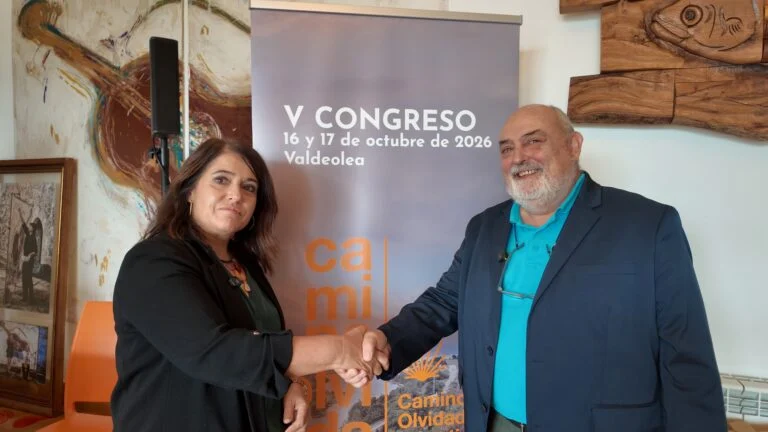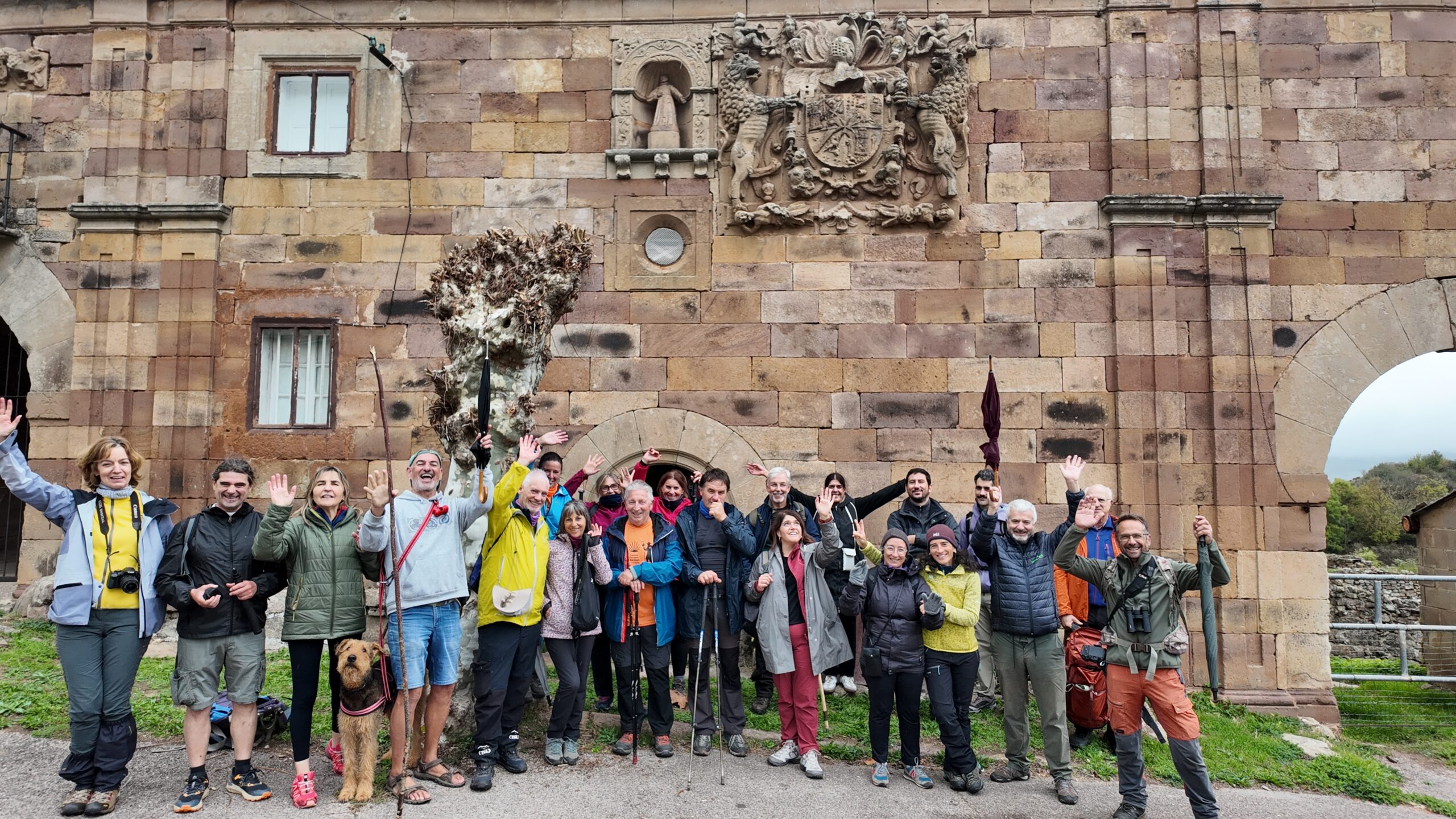
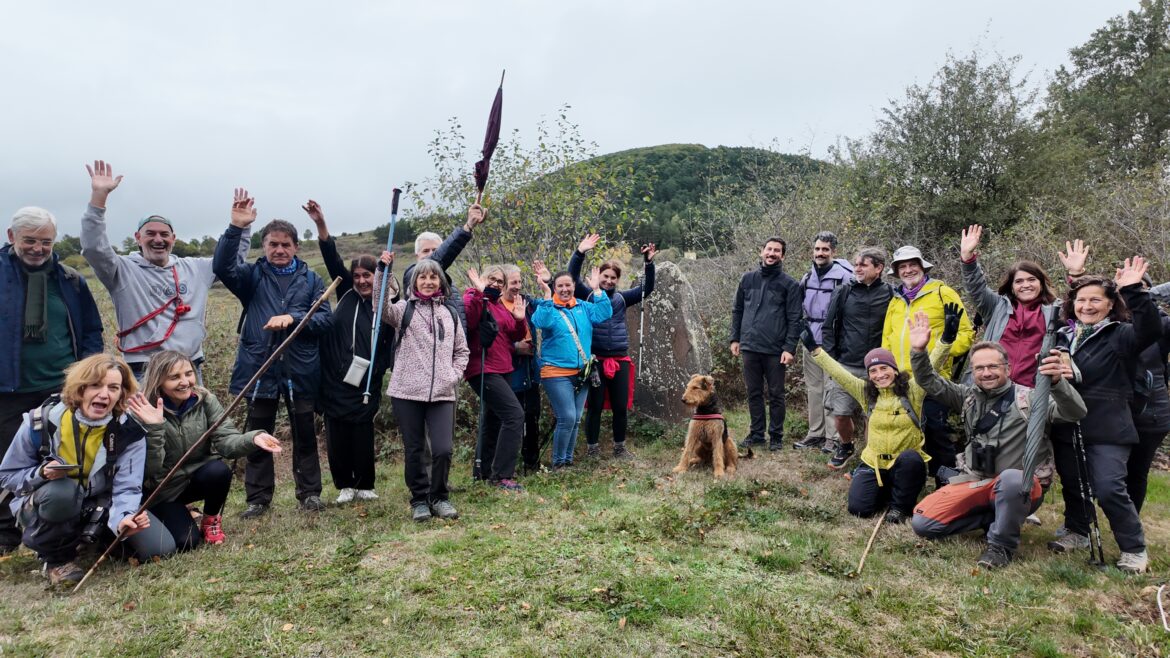
The second day of the V Congress of the Forgotten Way to Santiago this Saturday moved the activity from the conferences to the territory itself, with a walking tour through Valdeolea that took the participants from Olea to Las Henestrosas de las Quintanillas.
After a first day focused on the present and future of the route, cooperation between territories and the enhancement of heritage, the Congress continued with a direct experience on the Camino.
The route allowed us to learn on the ground some of the values that define this route: small rural towns, landscape, historical heritage and a route still far from the massification of other Jacobean itineraries.
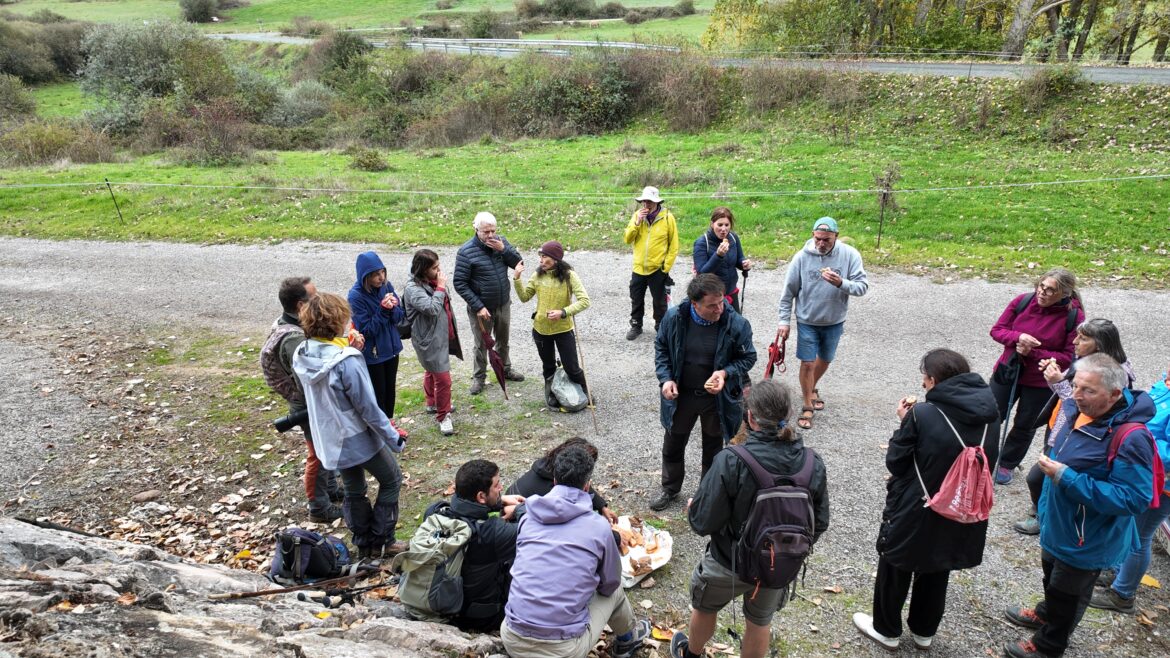
From theory to the Path itself
Saturday's day completely changed the scenario.
After the presentations and work tables, the participants went for a walk and were able to see first-hand what one of the Cantabrian sections of the Forgotten Way is like.
The walk between Olea and Las Henestrosas allowed us to unite landscape, history and heritage in a much more direct experience.
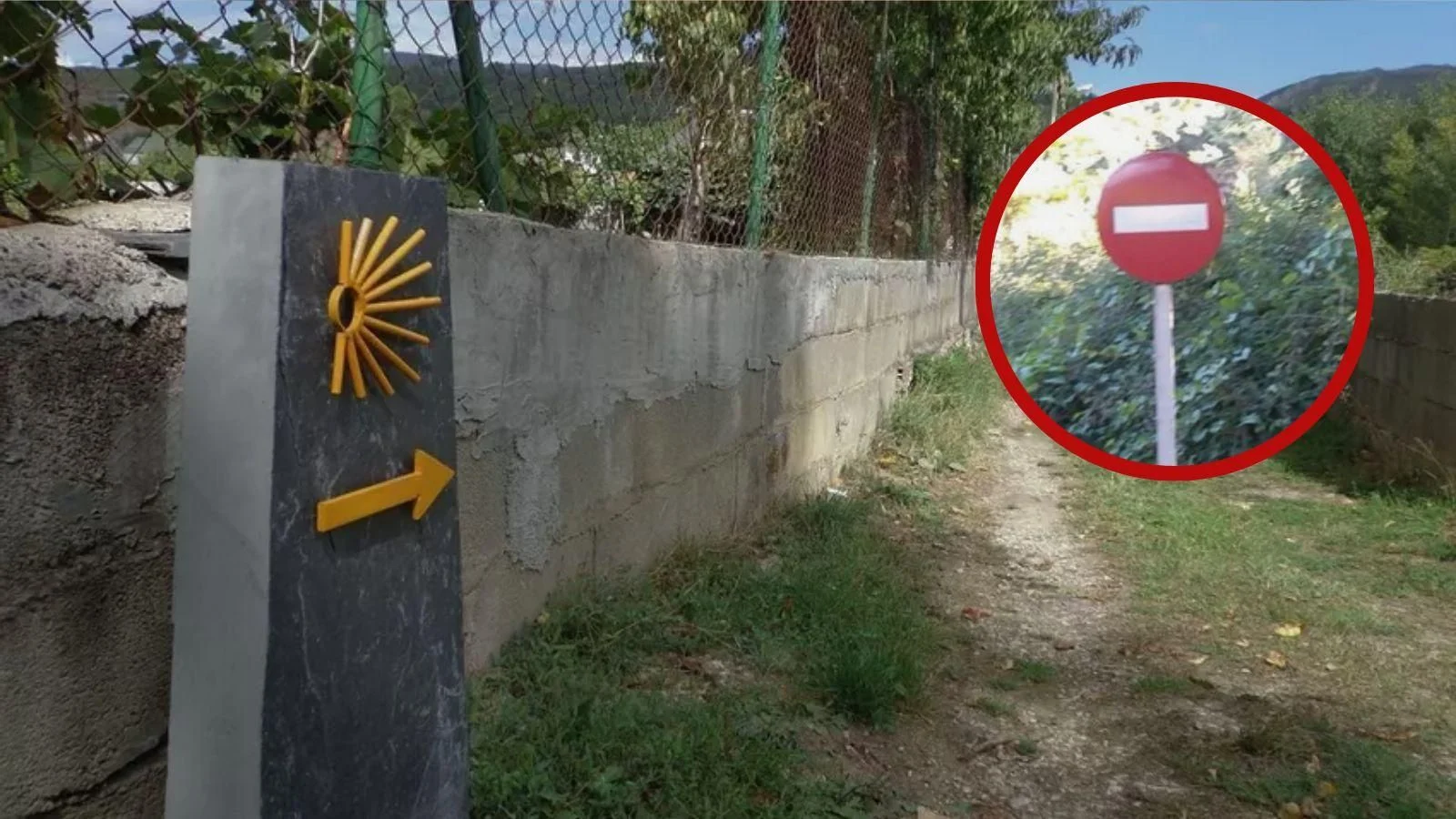
Walking through the territory also served to better understand what some of the challenges of this route are: improving knowledge, maintaining good signage, conserving heritage and continuing to develop services for future pilgrims.
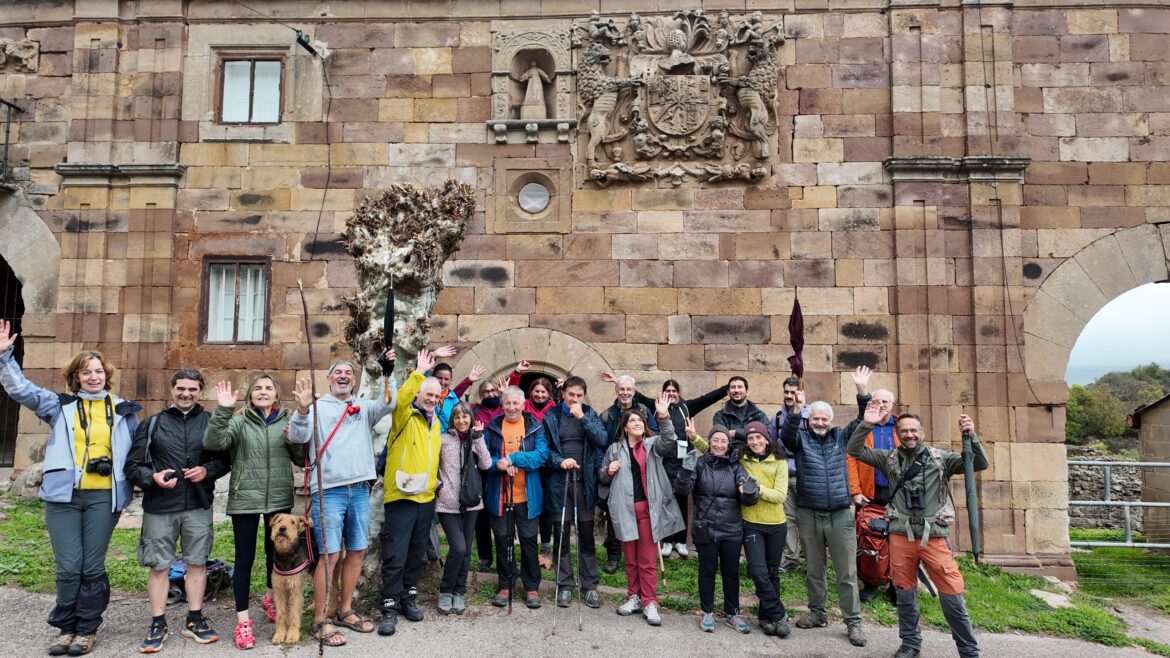
Santa María la Real, one of the great landmarks
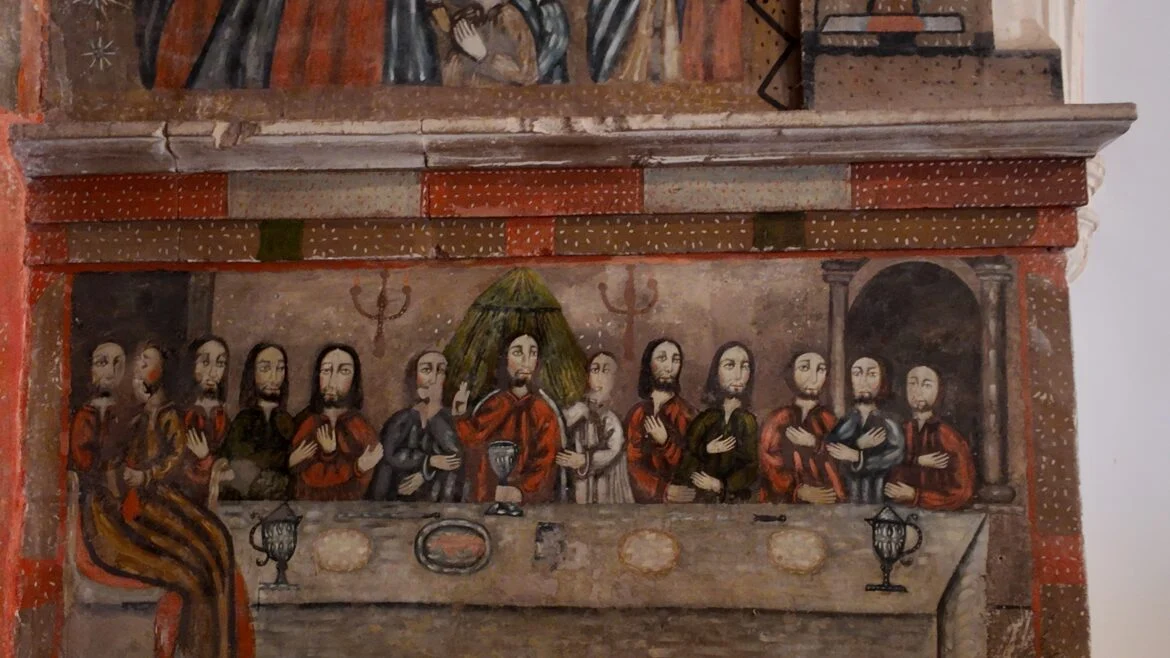
One of the highlights of the day was the visit to Santa María la Real de Las Henestrosas, one of the most significant heritage sites in Valdeolea.
Its presence within the route shows to what extent the Forgotten Way can offer the pilgrim something more than kilometers.
The historical and religious heritage is part of the identity of this route and helps explain the importance of the territories it crosses.
In this section, the pilgrim not only walks.
Also discover towns, churches, landscapes and places steeped in history.
A Path that still preserves silence
One of the main characteristics of the Forgotten Path continues to be its tranquility.
Compared to other much busier routes, here it is still possible to walk for long stretches without large concentrations of pilgrims.
That character is precisely one of its greatest values.
The challenge is to get more people to know the route without losing what makes it different.
Grow, yes.
But without becoming a crowded Camino.
Cantabria claims its role
The holding of the Congress in Valdeolea has also served to reinforce the role of Cantabria within the Forgotten Way.
For many years, this route was left out of the great Jacobean circuits, but associations, town councils and entities linked to heritage have been working for some time to recover its route and improve its knowledge.
Saturday's day allowed us to demonstrate that the Camino is not just a line on a map.
Behind it are towns, churches, traditional paths, landscapes and rural communities that are part of the pilgrim's experience.
Walk to understand the Way
The image of the second day was very different from that of a technical session.
There was no conference table.
There was a group walking.
And perhaps that is also one of the best ways to explain what it means to work along a Jacobean route.
Projects can be designed in meetings, conferences and offices.
But in the end the Camino is measured on the ground: in the state of the trails, in the signage, in the services, in the heritage and in the welcome that those who walk find.
A Path that seeks to stop being forgotten
The V Congress of the Forgotten Path has combined reflection, heritage and direct experience.
The second day served to transfer everything discussed to the territory itself and to see on the ground the enormous potential of this route.
Now the most important work remains.
Provide continuity to cooperation between territories.
Improve services.
Preserve heritage.
And get more and more pilgrims to discover a Camino that still has a lot to tell.