The City Council is committed to the Camino as a training and cultural activity
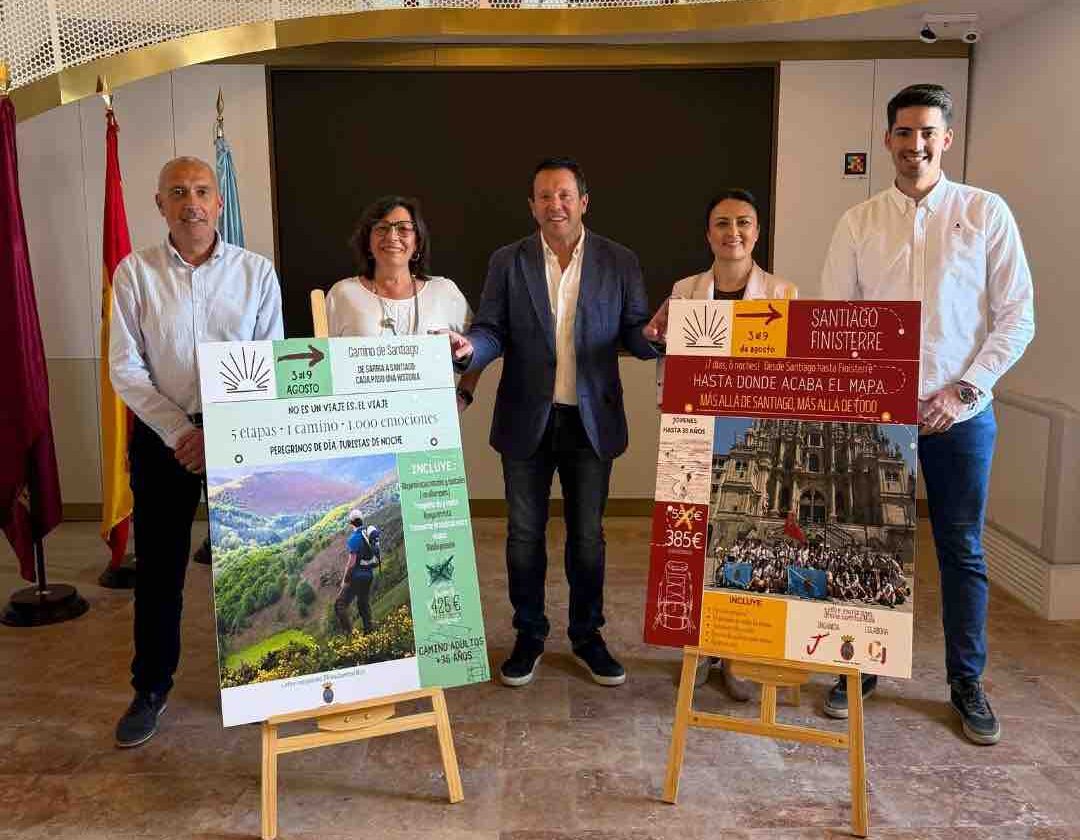
The Mula City Council has launched two experiences of the Camino de Santiago adapted to different age profiles, with the aim of bringing the pilgrimage closer to both young people and adults through organized and accessible proposals.
The initiative, presented in 2026, is part of municipal policies to promote active leisure, culture and tourism, using the Camino de Santiago as the central axis of an experience that combines physical activity, coexistence and personal development.
Two programs differentiated according to age
The project is divided into two clearly differentiated experiences.
On the one hand, a proposal aimed at young people, aimed at promoting values such as camaraderie, autonomy and personal discovery. On the other hand, an option adapted to adults, with a more cultural and experiential approach.
Both activities share a common element: the route of sections of the Camino de Santiago with prior organization, logistics included and support throughout the process.
Dates and characteristics of the trip
The experiences will take place between August 3 and 9 and include services such as accommodation in hotels and hostels, as well as transportation and logistical support during the tour.
This format marks a difference with respect to the traditional model of the Camino, since these are organized trips that seek to facilitate the participation of people who, otherwise, might not consider making the pilgrimage.
The Camino as an educational tool
The City Council highlights that the objective is not only tourism.
The Camino is proposed as an educational and social tool that allows working on aspects such as:
- Group living
- personal effort
- The digital disconnection
- Contact with nature
In the case of young people, these activities seek to offer healthy leisure alternatives away from digital or sedentary environments.
An accessible and guided model
Unlike the traditional pilgrim, who organizes their trip independently, these experiences are designed to facilitate participation through a guided format.
This includes:
- Organization of stages
- Luggage transport
- Reserved accommodation
- Accompaniment on route
This model responds to a growing trend: bringing the Camino closer to new profiles seeking security, comfort or a first contact with the pilgrimage.
The rise of organized experiences
In recent years, the Camino de Santiago has experienced a diversification in the way it is traveled.
Along with the classic model, organized proposals promoted by institutions, associations or companies have emerged, which allow the Camino to be experienced in a more structured way.
This type of initiative facilitates the participation of people without previous experience or with time or planning limitations.
El Camino as an intergenerational space
One of the most interesting aspects of Mula's project is its intergenerational approach.
By offering differentiated experiences for young people and adults, the City Council recognizes that the Camino can adapt to different rhythms, motivations and abilities.
This reinforces the idea that the Camino de Santiago does not belong to a single pilgrim profile, but is an open and flexible experience.
Promote active tourism from the local
The initiative also has a territorial promotion component.
Although the Camino de Santiago takes place mainly in the north of Spain, projects like this allow municipalities far from the route to participate in its revitalization, bringing the experience closer to their citizens.
It is a way of connecting the local with one of the great European cultural itineraries.
A more accessible path for new profiles
The model promoted by the Mula City Council reflects a clear trend in 2026: the Camino de Santiago adapts to new audiences.
It is no longer just an individual or improvised experience.
It can also be:
- Guided
- organized
- accessible
This allows more people to discover the Camino for the first time.
A gateway to the Camino
For many participants, this type of experience can become their first contact with the Camino de Santiago.
A way to start the pilgrimage in a more controlled environment, before tackling longer routes or independently.
The Path remains the same.
But the way to get to it… is changing.