The International Festival on the Camino de Santiago will visit 14 towns in Alto Aragón this summer
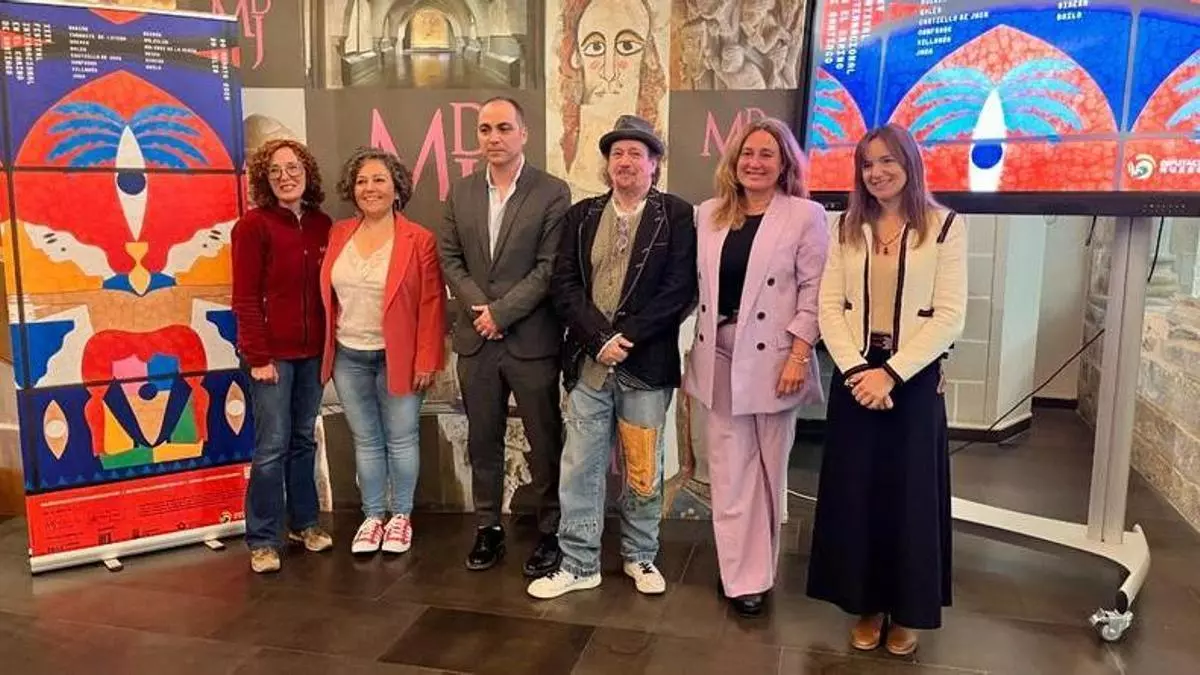
The province of Huesca will once again become a great cultural scene this summer thanks to the XXXV edition of the International Festival on the Camino de Santiago, one of the most important events in the Jacobean cultural calendar. The event will tour fourteen towns in Alto Aragón between the end of July and August, bringing concerts, theatre, cinema, exhibitions and cultural activities to some of the most emblematic enclaves of the Aragonese Way.
Under the motto «Paths in the sea», the 2026 edition will be dedicated to the musical heritage of the Mediterranean and the former territories of the Crown of Aragon between the 12th and 18th centuries. The programming will explore the cultural richness of the maritime routes that connected the Iberian Peninsula with Sardinia, Sicily, Byzantium and North Africa.
The festival will offer a total of 19 concerts in churches, monasteries, cathedrals and historical spaces spread throughout towns such as Monzón, Jaca, Berdún, Tamarite de Litera, Santa Cruz de la Serós, Santa Cilia or Castiello de Jaca. In addition, it will have proposals for early music, conferences, exhibitions, cinema, street theater and activities linked to the Jacobean heritage.
Among the participating artists and groups are groups specialized in historical music such as Ministrers Capella, Les Sacqueboutiers, Bach Collegium Barcelona, Eloqventia, Inlay o Border Musicians, among others.
The organizers highlight that the festival has established itself as one of the great cultural projects linked to the Camino de Santiago in Spain, combining heritage, music and territory in a unique proposal that attracts visitors, pilgrims and culture lovers every year.
Beyond the concerts, the event seeks to highlight the extraordinary artistic and monumental heritage of the Aragonese Way, one of the historical pilgrimage routes to Santiago de Compostela less known to the general public, but of enormous cultural and historical importance.
For more than three decades, the festival has converted Romanesque churches, monasteries and historic squares into open stages where music dialogues with the history of the Camino, creating a unique experience for residents and pilgrims.